 Sarasota Siding
 Roof Repair Built for Nokomis Conditions
Nokomis sits close enough to the Gulf that salt air, wind-driven rain, and hurricane-strength gusts are simply part of owning a home here. Whether your house is near Nokomis Beach or tucked into one of the inland neighborhoods along the Intracoastal, your roof is doing more work than a roof in a landlocked climate ever would. Roof repair here isn't just patching a leak — it's addressing the specific ways Sarasota County's weather attacks a roof system over time, and doing it in a way that holds up until the next storm season, not just until the next rain.
This page focuses on one thing: roof repair for Nokomis homes. Not a full re-roof, not a general overview of every service we offer — just what a correct repair looks like in this specific area, why it matters, and how we approach it.
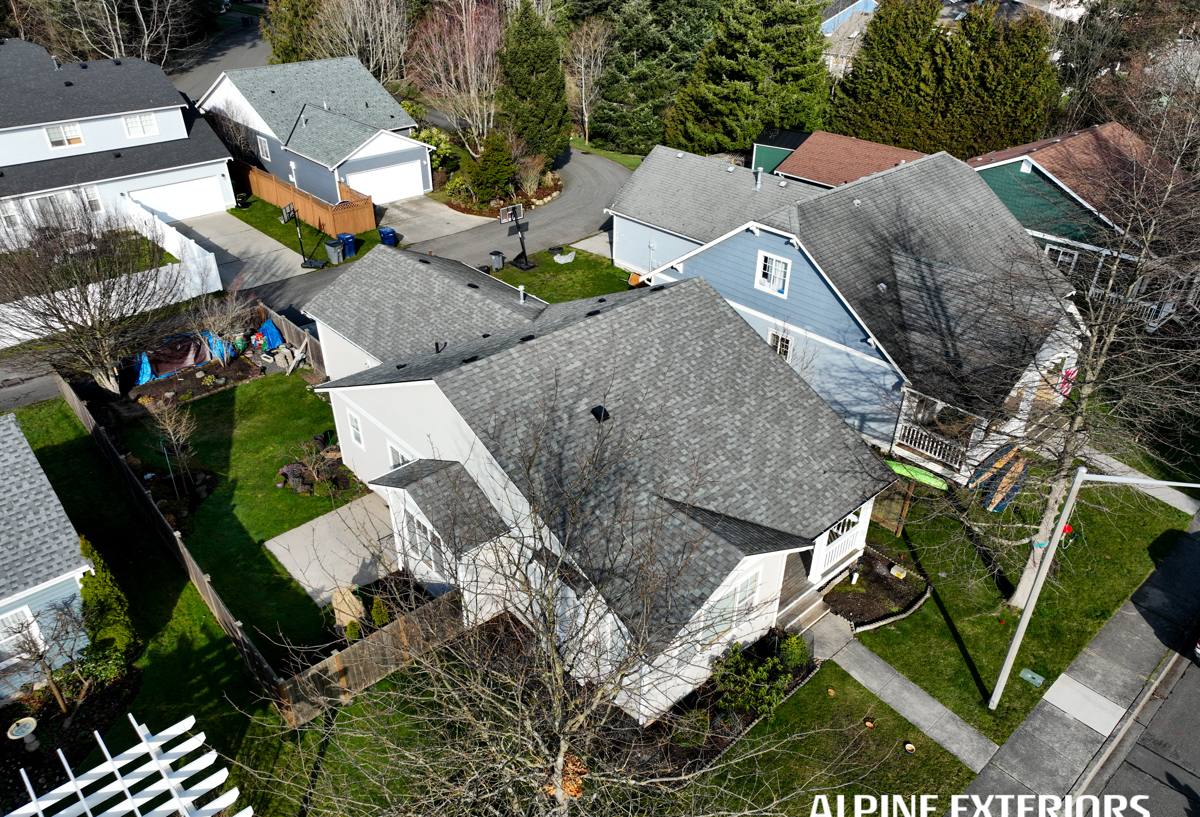
Why Nokomis Roofs Wear Differently
Every roofing material has a rated lifespan, but those ratings assume average conditions. Nokomis doesn't have average conditions. A few factors combine here in a way that shortens the useful life of roof components and makes repair timing more urgent than homeowners often expect:
Salt Air and Corrosion
Airborne salt from the Gulf settles on roofing metal — flashing, fasteners, drip edge, vent boots with metal collars — and accelerates corrosion. A fastener or flashing seam that would last decades inland can start failing years sooner near the coast, and a corroded fastener is one of the most common hidden causes of a leak that seems to come from nowhere.
Intense, Year-Round UV
Florida sun is harder on roofing than most homeowners realize. UV breaks down asphalt shingle granules, dries out sealant strips, and makes underlayment brittle faster than the manufacturer's climate models often assume. A roof that looks fine from the ground can already have UV-damaged materials that are one storm away from a leak.
Wind-Driven Rain
Straight-down rain and wind-driven rain behave very differently on a roof. Wind pushes water sideways and even slightly uphill under shingles, tiles, and flashing, finding any gap in a repair that wasn't sealed and lapped correctly. A repair that would hold up fine in calm weather can fail the first time wind pushes rain against it from the wrong angle.
Hurricane-Force Wind Loads
Sarasota County homes are built to code for wind, but repairs have to match that same standard — not just be "good enough" for a dry day. A patch or shingle replacement that isn't fastened and sealed to the original wind-rating standard becomes the weak point in an otherwise sound roof system during the next tropical system.
Signs a Nokomis Roof Needs Repair
Most roof damage doesn't announce itself with a dramatic leak. It shows up in smaller signs first, and catching those early is what keeps a repair a repair instead of a full replacement.
- Dark streaks, stains, or a soft spot on interior ceilings, especially after heavy wind-driven rain
- Missing, cracked, curling, or lifted shingles, or displaced or cracked tiles
- Granules collecting in gutters or at downspout outlets
- Rusted, lifted, or visibly deteriorated flashing around chimneys, skylights, and roof-to-wall joints
- Sagging sections of roof deck, visible from the attic or from the ground
- Daylight visible through the roof deck from inside the attic
- Higher-than-normal cooling bills, which can point to attic moisture or failing insulation from a slow leak
- Visible wear or corrosion on exposed fasteners, vent boots, or metal flashing
Any one of these on its own doesn't necessarily mean a major problem, but ignoring more than one at a time is how a manageable repair turns into deck damage, mold, or interior repairs that cost far more than the roof work itself.
What a Correct Roof Repair Actually Involves
A roof repair done right isn't just replacing the material you can see. It means understanding why that section failed in the first place and fixing the underlying cause, not just the symptom.
Finding the Real Source
Water on a roof rarely shows up directly above the leak inside the house — it travels along the deck, rafters, and underlayment before it drips somewhere visible. A repair that only patches the spot where the stain appeared, without tracing the water back to its actual entry point, is a repair that will need to be redone.
Matching Materials and Fastening Standards
Whatever the roof type — asphalt shingle, tile, or metal — a repair should use materials compatible with what's already there and fastened to current wind-rating standards, not whatever was standard when the roof was installed years ago. Mixing incompatible materials or under-fastening a patch creates a weak point that shows up in the next storm.
Flashing and Underlayment First
Most recurring leaks trace back to flashing or underlayment, not the visible roofing material itself. A repair that replaces shingles or tiles but reuses failed flashing or torn underlayment underneath is treating the surface, not the problem.
Sealing for Wind-Driven Rain
Because Nokomis gets rain pushed sideways and uphill by wind, repairs need proper shingle or tile lap, correctly sealed transitions, and flashing details that account for water moving in more than one direction — not just standard installation assuming rain falls straight down.
Common Roof Repair Issues We See in Nokomis
| Issue | Typical Cause | What a Proper Repair Involves |
|---|---|---|
| Recurring leak near a chimney or wall | Deteriorated step or counter flashing | Full flashing replacement, not just resealing over old flashing |
| Isolated missing or cracked shingles | Wind uplift or UV-brittle shingles | Matching shingle replacement with correct nail pattern and sealed edges |
| Cracked or slipped roof tiles | Foot traffic, wind, or aged mortar/adhesive | Tile replacement with correct underlayment check beneath |
| Rusted vent boots or pipe collars | Salt air corrosion of metal components | Full boot/collar replacement, ideally with corrosion-resistant materials |
| Soft or sagging deck section | Long-term moisture intrusion into the wood deck | Deck repair or replacement of the affected section before re-covering |
| Ceiling stain with no obvious roof damage | Failed underlayment or a fastener path leak | Targeted removal of roofing material to trace and repair the actual path |
Our Roof Repair Process
We keep the process straightforward because a homeowner dealing with a leak doesn't need extra complexity added on top of it.
- Inspection. We look at the roof itself, the attic where accessible, and the interior area affected, so we're diagnosing the actual cause rather than guessing from the ground.
- Honest assessment. We tell you plainly whether this is a repair, and if there's a reason a repair isn't the right call — such as widespread deck damage or a roof near the end of its service life — we'll say so directly.
- Written scope and estimate. You get a clear explanation of what failed, what we're fixing, and what it costs before any work starts.
- The repair. Matching materials, correct fastening, proper flashing and underlayment work, and attention to how wind-driven rain moves across your specific roof.
- Final check. We confirm the repair area is sound and, where relevant, point out anything else on the roof worth keeping an eye on going forward.
Repair vs. Replacement: How We Help You Decide
Not every roof problem needs a repair, and not every roof problem needs a replacement. The honest answer depends on the roof's age, the extent of damage, and whether the underlying deck and structure are still sound.
| Factor | Leans Toward Repair | Leans Toward Replacement |
|---|---|---|
| Roof age | Well within expected service life | Near or past typical lifespan for the material |
| Extent of damage | Isolated to one section or component | Widespread across multiple roof planes |
| Deck condition | Solid, no significant rot | Soft, sagging, or rotted in multiple areas |
| Repair history | First or infrequent issue | Recurring leaks in different spots over time |
| Underlayment condition | Still flexible and intact elsewhere | Brittle or failing broadly, not just locally |
We won't push a full replacement when a solid repair will genuinely hold up, and we won't recommend patching a roof that's structurally past the point where repair makes financial sense. Our job is to give you the facts and let you make the call with real information.
Materials and Methods We Use for Coastal Durability
Given the salt air and UV exposure common in this part of Sarasota County, we lean toward corrosion-resistant fasteners and flashing components where compatible with your existing roof system, and we pay close attention to proper sealing at every penetration — vents, pipes, skylights, and roof-to-wall transitions — since those are the points most likely to fail first near the coast. We match repair materials to what's already installed so the finished roof performs and ages consistently, rather than creating a patchwork of mismatched materials that age at different rates and create new weak points.
Why Local Experience in Nokomis Matters
A roof repair crew that regularly works in and around Nokomis has already seen how this area's combination of salt exposure, sun, and storm wind plays out on real roofs over time — which flashing details tend to fail first, which materials hold up, and which shortcuts show up as leaks two years later. That's different from general roofing knowledge applied to a different climate. Working locally also means we're accountable locally: if something about a repair needs a follow-up look, we're not far away, and we're not disappearing after the invoice is paid.
Simple Roof Maintenance That Extends Your Repair's Life
A good repair lasts longer when it's paired with basic upkeep. This isn't a substitute for professional inspection, but it's what we'd suggest between visits:
- Keep gutters and downspouts clear so water doesn't back up under roofing edges
- Trim back tree limbs that overhang the roof to reduce debris and abrasion
- After any major storm, do a visual check from the ground for missing or displaced material
- Watch for new ceiling stains or musty odors in attic spaces, especially after wind-driven rain
- Have the roof professionally inspected on a regular schedule rather than waiting for a visible leak
- Address small issues promptly — a missing shingle or cracked tile is a quick fix now and a bigger repair later
If you're dealing with a leak, storm damage, or just want an honest read on your roof's condition, we're happy to take a look. Use the form below to request a free, no-pressure estimate for your Nokomis home.