 Sarasota Siding
 Why Roofs in Ellenton Wear Out Faster Than the Warranty Suggests
Ellenton sits along the Manatee-Sarasota county line, close enough to the Gulf that salt-laden air reaches every roof in the area, and squarely in the path of the tropical systems that move through this part of Florida almost every season. A roof here isn't just shedding rain. It's absorbing months of intense, nearly overhead UV that breaks down asphalt oils and shingle granules faster than in northern climates, fighting wind-driven rain that gets pushed sideways under poorly sealed edges, and slowly corroding any exposed metal fasteners that weren't rated for coastal exposure.
None of that shows up overnight. It shows up as a roof that's technically still "up there" but has quietly lost the wind resistance, water-shedding capacity, and structural integrity it had when it was installed. A roof replacement done right for this area has to account for all three stressors at once — sun, wind, and salt — not just patch the one that's currently causing a leak.
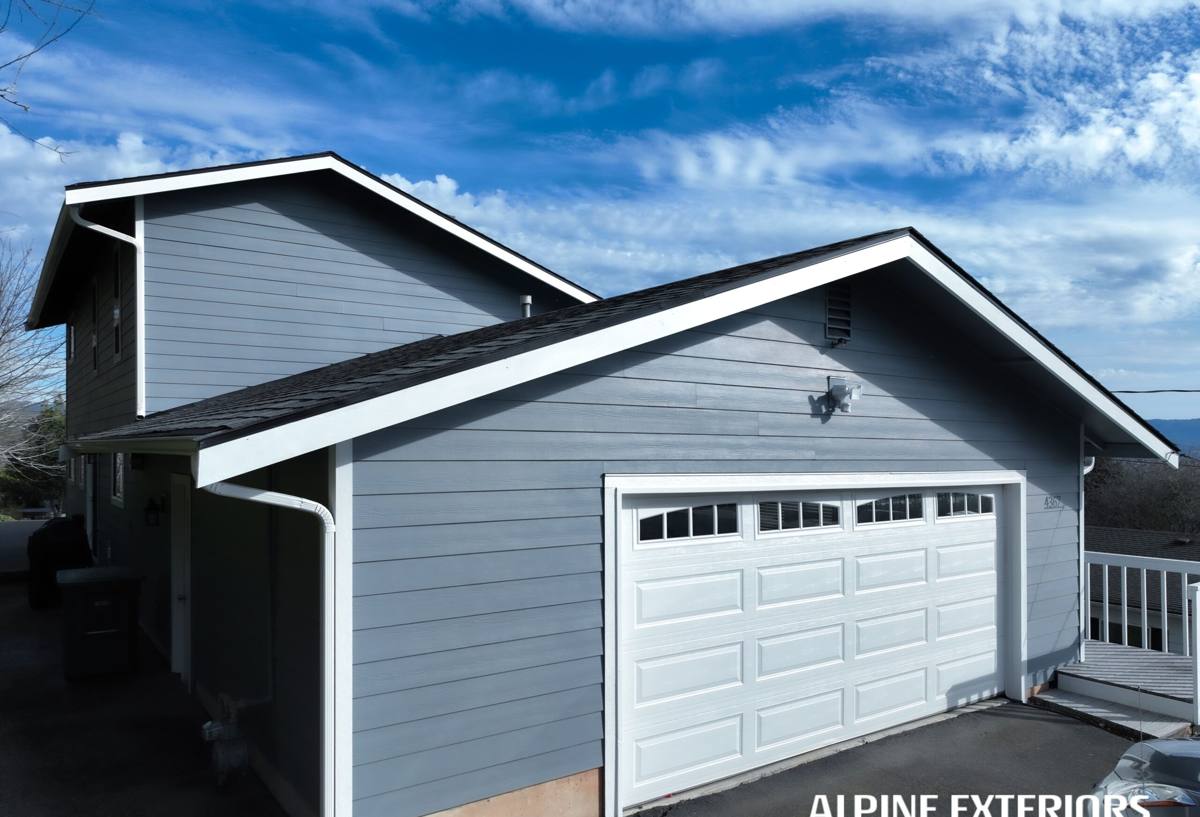
Signs an Ellenton Roof Is Telling You It's Time
Most homeowners don't replace a roof because they want to. They replace it because the roof starts sending signals, or because an insurance carrier or wind mitigation inspection forces the issue. Common signs we see on service calls in this area include:
- Granule loss showing up in gutters or at downspout runoff points
- Shingles that look "wavy," curled at the edges, or cracked from UV exposure
- Soft spots or sagging when walked on, which usually means deck damage underneath
- Rusted or missing fasteners, flashing, or exposed nail heads around penetrations
- Daylight visible through the attic decking, or musty odors that suggest trapped moisture
- An insurance company flagging roof age or condition at renewal
If you're only seeing one or two of these, a repair may still make sense. If you're seeing several at once, or the roof is already 18-20+ years old, patch repairs usually just delay a replacement that's coming anyway — often at a worse moment, like right after a named storm.
What a Correct Roof Replacement Actually Involves
A roof replacement is more than stripping old shingles and nailing down new ones. In a wind- and rain-exposed area like this, the parts you can't see after the job is done matter as much as the shingles you can.
Tear-Off and Deck Inspection
Every old layer comes off down to the decking, because covering over existing shingles hides deck rot and voids most manufacturer warranties. Once the deck is exposed, it gets inspected board by board. Soft, delaminated, or water-stained plywood gets replaced before anything new goes down — skipping this step is one of the most common ways a "new roof" fails early.
Underlayment and Secondary Water Barrier
Florida's building code requires a secondary water barrier on new roof installations in wind-borne debris regions, which this part of the state falls under. In practice that means a sealed underlayment system designed to keep the deck dry even if the outer roofing layer is compromised in a storm — not just felt paper stapled down loosely.
Flashing, Drip Edge, and Penetrations
Valleys, chimneys, skylights, and any pipe or vent penetration are where roofs actually leak. Correct flashing detail and a properly installed drip edge at the eaves and rakes matter more to long-term performance than the shingle brand on the box.
Fastening for Wind Resistance
Nailing pattern and fastener count directly affect a roof's wind rating. Florida code specifies enhanced nailing requirements for a reason — this region has been directly in the path of major hurricanes, and the building code changes that followed storms like Hurricane Charley in 2004 exist because under-fastened roofs failed at wind speeds that properly installed ones survived.
Ventilation
Balanced intake and exhaust ventilation keeps attic temperatures and moisture in check, which extends shingle life and helps prevent deck rot from the inside out — an easy detail to overlook, and a common reason a technically "new" roof underperforms its expected lifespan.
Choosing a Roofing Material for This Climate
There's no single "best" roofing material — the right choice depends on budget, how long you plan to stay in the home, and how much maintenance you're willing to do. Here's how the common options compare for a coastal, storm-exposed property like those in the Ellenton area:
| Material | Typical Lifespan | Wind Performance | Maintenance | Relative Upfront Cost |
|---|---|---|---|---|
| Architectural (dimensional) asphalt shingle | 20-30 years | Good when properly fastened; most common choice locally | Low to moderate | Lowest |
| 3-tab asphalt shingle | 15-20 years | Lower wind rating than architectural shingles | Low to moderate | Low |
| Standing seam metal | 40-50+ years | Excellent; performs well in high wind | Low | Highest |
| Concrete or clay tile | 40-50+ years | Good when installed with proper attachment; heavy load on structure | Moderate (occasional tile replacement) | High |
We don't push one material as universally "better." Metal and tile last longer and often carry a wind-resistance edge, but they cost more upfront and, in tile's case, require a structure engineered to carry the added weight. Architectural shingles remain the most common choice locally because they balance cost, appearance, and wind performance reasonably well when installed correctly — which is the part that actually determines how any of these materials perform in a storm.
Cost Factors to Expect
We won't quote a number without seeing the roof, but the honest cost drivers on most Ellenton-area replacements are:
- Roof size and pitch — larger and steeper roofs take more material and labor time
- Material choice — shingle, metal, and tile sit at different price tiers, as shown above
- Deck condition — plywood replacement is priced separately because it's only known once the old roof is off
- Layers being removed — tearing off multiple existing layers adds labor and disposal cost
- Number of penetrations and valleys — more flashing detail work means more labor
- Permit and code-upgrade requirements — local permitting and current code standards factor into the scope
Any contractor who gives you a firm number over the phone, without walking the roof, is guessing. A proper estimate involves an actual inspection.
Our Process From First Call to Final Walkthrough
- Inspection. We walk the roof and attic, check the deck where accessible, and document the actual condition — not just what's visible from the ground.
- Written estimate. You get a clear scope of work and material options, in plain language, with no pressure to decide on the spot.
- Permitting. We pull the required permit before work starts, which protects you as the homeowner and keeps the job compliant with current Florida code.
- Tear-off and deck repair. Old roofing comes off, the deck is inspected board by board, and any compromised plywood is replaced.
- Dry-in. Underlayment and secondary water barrier go down first, so the home is protected even if weather moves in mid-project.
- Installation. Flashing, drip edge, ventilation, and the finish roofing material go on to code-compliant fastening standards.
- Final inspection and walkthrough. The job is signed off by the local building department, and we walk the property with you before calling it done.
Why a Crew That Already Works Ellenton Matters
Roofing crews that only pass through occasionally don't know the permitting quirks of Manatee and Sarasota County offices, or how long inspections typically take locally. A crew that regularly works this specific area knows the practical realities — what inspectors here look for, how HOA architectural approval tends to go in nearby communities, and how to schedule around this region's storm season instead of getting caught mid-project when a system is approaching the Gulf coast.
There's also a response-time factor. If a storm damages a roof we installed, or a question comes up six months after the job, a local crew can be back on-site quickly. That's harder to count on with a company based hours away that only comes through the Sarasota area for storm-chasing work after a hurricane.
Questions to Ask Before You Sign
Whoever you hire, a roof replacement is a major investment in your home's protection. Before signing a contract, it's worth confirming:
- Are you licensed to do roofing work in Florida, and can you provide your license number?
- Do you carry general liability and workers' compensation insurance?
- Will you pull the permit yourself, or expect me to?
- What underlayment and fastening system will you use, specifically?
- How do you handle deck repair if rot is found once tear-off starts?
- Will you provide a wind mitigation inspection report for my insurance company after the job?
- What's covered under your workmanship warranty, separate from the manufacturer's material warranty?
A straight answer to every one of these is a good sign. Vague or evasive answers to any of them are worth taking seriously before you sign anything.
Ready When You Are
If your Ellenton-area roof is showing its age, got hit by a recent storm, or you just want an honest read on where it stands, we're glad to take a look. The estimate is free, there's no pressure, and you'll get a straight answer about whether you need a full replacement or just targeted repairs. Use the form below to get started.