 Sarasota Siding
 Why Siding Choice Matters More in Gulf Gate Estates Than Most Places
Gulf Gate Estates is one of Sarasota County's established residential neighborhoods, and like most of the surrounding area, it takes a steady beating from the Gulf Coast climate. Homes here deal with a combination that few inland markets ever see: sustained summer humidity, intense year-round UV exposure, wind-driven rain during storm season, and a steady dose of salt air carried in off the Gulf. None of these forces are dramatic on their own, day to day. It's the cumulative effect that wears siding down — and that's exactly why the siding decision on a Gulf Gate Estates home deserves more scrutiny than it would somewhere with a milder, drier climate.
Siding is the single largest exterior surface on most homes, and it's the first line of defense against water intrusion, wood rot, and structural damage behind the wall. When it fails — through cracking, delamination, moisture absorption, or fastener pull-through — the damage doesn't stay cosmetic for long. Sarasota County's humidity means any gap in the water management plane becomes an invitation for mold and sheathing rot within a single wet season.
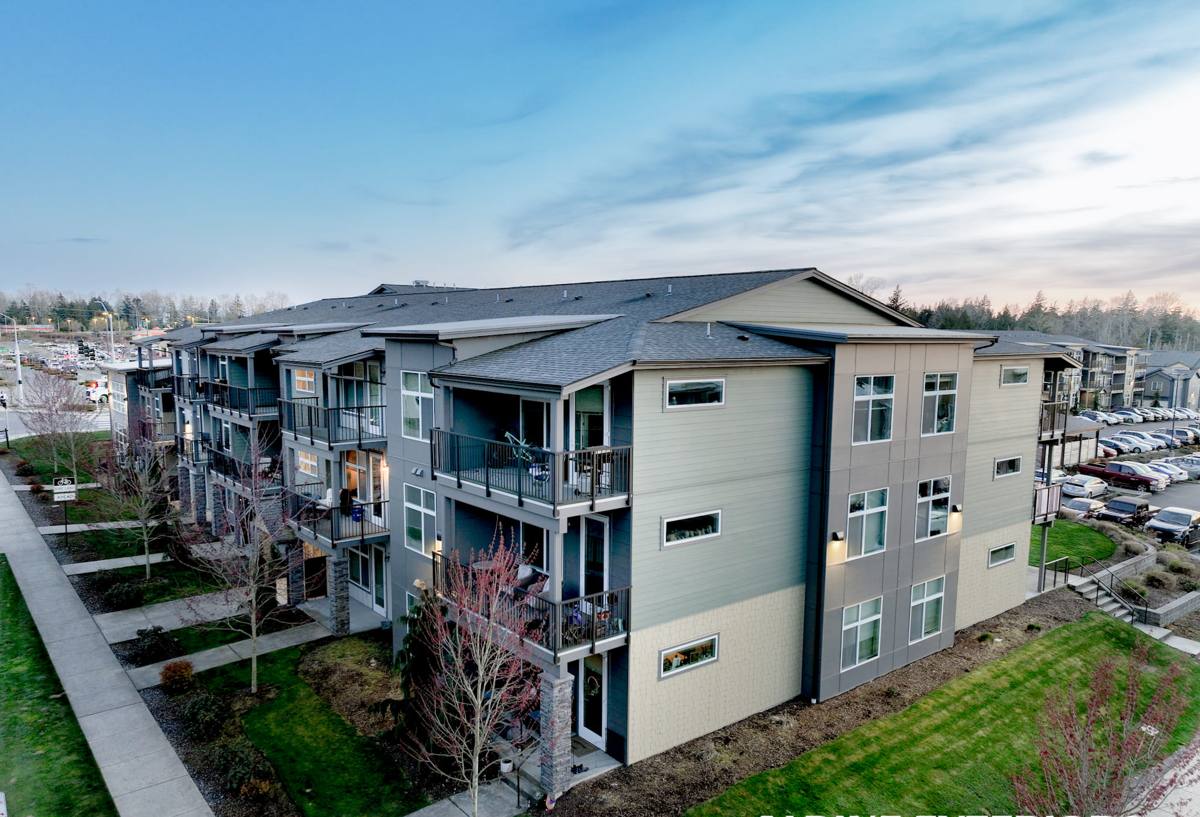
What This Climate Does to Siding Over Time
It helps to understand the specific mechanisms at work, because they explain why some siding products hold up here and others don't:
- UV degradation: Central Florida's sun exposure is intense and nearly constant. Coatings and finishes that aren't formulated for it fade, chalk, and become brittle years ahead of schedule.
- Wind-driven rain: During tropical storms and hurricanes, rain doesn't just fall — it's pushed sideways into laps, seams, and fastener penetrations at real pressure. Any weak point in the installation becomes a water entry point.
- Salt air corrosion: Proximity to the Gulf means airborne salt settles on exterior surfaces and accelerates corrosion of exposed fasteners and metal trim.
- Humidity and moisture cycling: Materials that absorb moisture swell, and materials that don't manage moisture well behind the cladding stay damp longer between rain events, which is exactly what wood-destroying fungi need to take hold.
- Wind load: Hurricane-force gusts put real uplift and lateral load on siding panels and their fastening pattern, not just the roof.
Individually, each of these is manageable. Combined, and applied year after year for decades, they separate siding systems that were engineered for this environment from ones that merely tolerate it.
The Housing Stock in Gulf Gate Estates
Like much of this part of Sarasota County, Gulf Gate Estates includes a mix of home ages and styles, with a meaningful share dating back to the area's mid-century growth years alongside newer construction and renovations. That mix matters for siding work in a few practical ways. Older homes may have wall assemblies, sheathing, or trim details that weren't built to current wind or moisture standards, which means an installer needs to actually assess what's behind the existing siding rather than just cladding over it. Homes that have already been re-sided once may have layers of old fasteners, furring, or moisture damage hidden beneath the current exterior. And in an established neighborhood like this, curb appeal and consistency with the surrounding streetscape often matter to homeowners — which plays into color and profile choices, not just material.
What a Correct Siding Installation Actually Involves
The material is only part of the equation. Most siding failures we get called out to inspect trace back to installation shortcuts, not product defects. A correct job in this climate covers several layers that all have to work together:
Tear-Off and Substrate Inspection
Old siding comes off, and the sheathing underneath gets inspected for rot, delamination, or prior water damage. Any compromised sheathing gets repaired or replaced before anything new goes up — covering damaged substrate with new siding just hides the problem and guarantees a callback later.
Weather-Resistive Barrier
A properly lapped and sealed weather-resistive barrier goes over the sheathing. This is the actual water management plane — the siding sheds most of the water, but the barrier behind it handles what gets through.
Flashing at Every Penetration
Windows, doors, hose bibs, light fixtures, vents — every penetration through the wall plane needs proper flashing detail so wind-driven rain can't track behind the siding at these vulnerable points.
Fastening Pattern and Clearances
Fastener type, spacing, and embedment have to match the manufacturer's wind-zone requirements for the specific location — not a generic pattern. Proper clearance from grade, roof lines, and decks also matters, since trapped moisture at these transitions is one of the most common causes of premature rot.
Caulking and Finish Details
Joints, seams, and trim transitions get sealed with the right products in the right places — not over-caulked in ways that trap moisture, and not skipped in places that need it.
Why We Install Only James Hardie Fiber Cement
We don't install vinyl siding, LP SmartSide, Cemplank, Allura, or primed wood products like spruce or cedar. That's a deliberate standard, not a limitation of what we're capable of installing. Each of those products has legitimate uses and reasonable performance in the right climate — but weighed against what Gulf Coast Florida weather does to a home over 20-plus years, we've concluded James Hardie fiber cement is the product that consistently holds up best when installed correctly.
James Hardie fiber cement is non-combustible, doesn't expand and contract with humidity the way wood-based products do, and won't feed pests the way some engineered wood substrates can. Hardie's ColorPlus factory-applied finish is baked on and warranted separately from the product itself, which matters directly in a market with this much UV exposure — factory-cured finishes hold color and resist fading far longer than field-applied paint. Hardie also engineers specific product lines (HZ5 for this climate zone) formulated for high-humidity, moisture-prone regions, which is a meaningful difference from a one-size-fits-all siding product. And Hardie's warranty structure is transferable, which protects resale value for a homeowner who may sell before the siding's full service life is up.
How Our Process Works, Start to Finish
| Step | What Happens |
|---|---|
| On-site assessment | We inspect existing siding, trim, and visible substrate condition, and talk through what the home actually needs. |
| Written estimate | A clear scope and price — no vague allowances, no pressure to sign on the spot. |
| Tear-off and substrate check | Old material comes off; any rot or damaged sheathing is identified and addressed before moving forward. |
| Weather barrier and flashing | Weather-resistive barrier installed and lapped correctly; flashing detailed at every penetration. |
| Hardie installation | Panels or planks installed to manufacturer spec for this wind zone, with correct fastening and clearances. |
| Trim, caulking, and finish | Trim details completed, joints sealed appropriately, site cleaned up. |
| Final walkthrough | We walk the job with the homeowner before calling it done. |
Cost Factors Homeowners Should Understand
Every home is different, so we're not going to quote numbers that don't apply to your project — but the honest cost drivers on a Gulf Gate Estates siding job are usually the same handful of variables:
- Substrate condition: Hidden rot or damaged sheathing found during tear-off adds cost, but skipping the repair costs far more later.
- Home size and wall complexity: More corners, gables, and trim details mean more labor and material.
- Siding profile and finish: Hardie's lap, shingle, and panel profiles and ColorPlus finish options carry different material costs.
- Access and site conditions: Landscaping, fencing, and second-story access can affect labor time.
- Trim and detail work: Window casings, fascia, and soffit work done alongside siding adds scope but often makes sense to bundle into one project.
What to Check Before Hiring Anyone for Siding Work Here
Sarasota County's climate is unforgiving of shortcuts, and hurricane-zone wind requirements mean the installation details actually matter for code compliance, not just performance. Before hiring a crew for a Gulf Gate Estates siding project, it's worth confirming:
- They carry active Florida contractor licensing and insurance, and can produce proof without hesitation.
- They pull the required permit for the job — siding replacement in this county isn't a handshake project.
- They can explain their fastening pattern and flashing approach specific to this wind zone, not a generic answer.
- They inspect and address substrate condition as part of the scope, not as a surprise change order.
- They're clear about which manufacturer and product line they install, and why — and can speak to warranty terms in specific terms.
- They have experience with this general area's home styles and HOA or neighborhood expectations around color and appearance.
Local Considerations Worth Knowing
Sarasota County requires permits for siding replacement, and inspections are part of the process — that's a good thing, since it's a check on installation quality, not just paperwork. If your property is part of an HOA or deed-restricted community, color and material approval may be required before work starts, and it's worth confirming that early so it doesn't hold up scheduling. We're familiar with working through both of these steps as a normal part of getting a project underway in this area.
Get a Straight Answer for Your Home
If your siding is showing chalking, cracking, soft spots, or you're just planning ahead for a home in a climate that doesn't forgive weak exterior work, we're happy to take a look and give you an honest assessment — not a sales pitch. Request a free, no-pressure estimate using the form below, and we'll walk your home's specific siding needs with you in plain terms.