 Sarasota Siding
 Why Siesta Key Puts Siding Through More Than Most Florida Homes
Siesta Key sits out on the Gulf side of Sarasota, and that position comes at a cost to the exterior of every home on the island. Homes here don't just deal with Florida sun and humidity like an inland Sarasota County property — they take it with a steady dose of salt-laden air blowing off the Gulf, wind loads that build fast during tropical systems, and wind-driven rain that finds every gap in a wall assembly a few miles inland would never expose. Siding on Siesta Key isn't decorative. It's the first line of defense for the structure behind it, and it has to be treated that way from the substrate out.
We've replaced siding on barrier island homes long enough to know that what works on a subdivision house off Fruitville Road doesn't automatically hold up a quarter mile from the Gulf. Salt air corrodes fasteners and trim faster, UV breaks down coatings faster, and a poorly sealed seam turns into a moisture problem faster. A correct siding replacement on Siesta Key accounts for all of that — material, fastening, flashing, and finish.
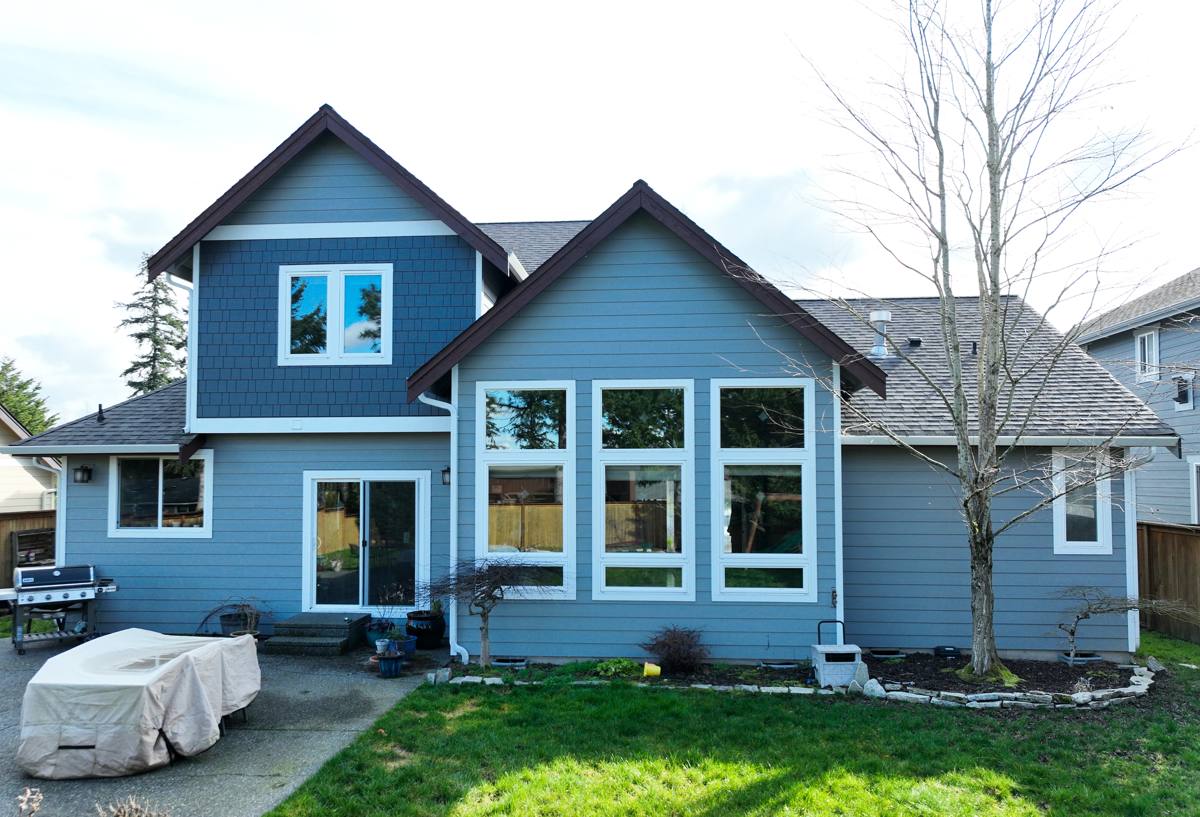
What "Correct" Means for a Coastal Siding Job
It Starts Below the Siding, Not At It
Most siding failures we get called out to inspect on the key aren't failures of the siding panel itself — they're failures of what's underneath it. House wrap that was never lapped correctly, flashing that stops short around windows and doors, or fasteners that back out because they weren't rated for the substrate. On a barrier island, water finds its way in eventually. The job of a correct installation is to control where that water goes once it does — down and out, never trapped against sheathing.
Fastening and Wind Resistance
Florida's coastal wind-borne debris provisions exist because storms here are not hypothetical. Siding replacement on Siesta Key has to meet the fastening schedules and wind ratings called for under the Florida Building Code for coastal exposure — not the minimum spacing a crew might get away with on a calmer inland job. That means the right fastener type, the right penetration depth, and the right spacing at panel edges and corners, every time, not just where an inspector happens to be looking.
Finish and Salt Air
Salt air is hard on paint. A field-applied finish on a coastal home tends to chalk, fade, and need recoating sooner than the same product would inland. That's one of the biggest reasons we standardized on a factory-applied finish system rather than relying on site-applied paint to hold up against Gulf air for the long haul.
Why We Only Install James Hardie Fiber Cement on Siesta Key Homes
We don't install vinyl, LP SmartSide, primed wood, or other fiber cement brands, and on a barrier island the reasons matter even more than they do elsewhere in Sarasota County.
- Non-combustible material — fiber cement doesn't feed a fire the way wood-based or engineered wood products can, which matters on close-set island lots.
- Moisture behavior — Hardie's fiber cement is engineered to resist the swelling, warping, and rot that humid, salt-laden air accelerates in wood and engineered wood siding.
- Climate-specific formulation — James Hardie makes different product formulations for different climate zones. Florida homes get the version engineered for hot, humid, high-UV conditions rather than a one-size-fits-all product.
- Factory-cured ColorPlus finish — baked on in a controlled facility rather than sprayed on site, so it holds color and resists the fading and chalking that salt air and constant UV cause faster here than almost anywhere else in the state.
- Transferable warranty backing — a real advantage on Siesta Key, where a strong share of homes change hands as second homes, rentals, or investment properties, and a documented warranty on the exterior carries real value at resale.
Vinyl softens and can distort in intense, sustained heat and doesn't hold up to wind-borne debris the way fiber cement does. Untreated or primed wood and engineered wood products are more vulnerable to the moisture cycling that comes with island humidity and salt spray. We're not going to install a product on a Siesta Key home that we don't think will hold up to what that home actually faces, so we install one system, done right.
Hardie Fiber Cement vs. Other Common Siding Materials in Coastal Conditions
| Factor | James Hardie Fiber Cement | Vinyl | Wood / Engineered Wood |
|---|---|---|---|
| Salt air & moisture resistance | Engineered for humid, coastal climates | Doesn't absorb moisture, but seams and fasteners are more exposed | Vulnerable to swelling, rot, and insect activity over time |
| UV / fade resistance | Factory-cured ColorPlus finish holds color | Can fade and become brittle under sustained UV | Field-applied finishes need frequent recoating |
| Wind & impact resistance | Rigid, holds up to wind-borne debris when properly fastened | Can crack or blow off in high wind if under-fastened | Impact resistance varies by product and thickness |
| Fire resistance | Non-combustible | Combustible | Combustible |
| Long-term maintenance | Low — occasional caulk and inspection | Low, but repairs are visible and hard to color-match | Higher — recoating, sealing, and rot checks |
Signs a Siesta Key Home Needs Siding Replacement Now
Repair makes sense when damage is isolated and the substrate underneath is sound. Replacement makes sense once the problems are systemic — which happens sooner on the island than it does further inland. Signs worth a professional look:
- Soft or spongy spots when you press on siding near the bottom edges or around windows and doors
- Visible warping, buckling, or panels pulling away from the wall
- Persistent staining, streaking, or a musty smell along interior walls that back up to exterior siding
- Paint or finish that's chalking, peeling, or fading unevenly across the same wall
- Rust streaks from corroding fasteners, or fasteners visibly backing out of the siding
- Cracked or missing caulk at seams, corners, and trim that hasn't been resealed in years
- Siding that's original to a home built decades ago and has never been fully replaced
Our Siding Replacement Process
1. On-Site Assessment
We walk the exterior with you, check the current siding and what's underneath where we can access it, and talk through what we're seeing before we talk about product.
2. Scope and Product Plan
We spec the right Hardie product line, profile, and ColorPlus color for the home, and lay out what the job actually involves — removal, substrate repair if needed, house wrap and flashing detail, and installation.
3. Tear-Off and Substrate Check
Old siding comes off and we inspect the sheathing and framing underneath. This is where hidden moisture damage from years of coastal exposure typically shows up, and it gets addressed before anything new goes on.
4. Weather Barrier and Flashing
House wrap, flashing at every penetration, and proper lapping — the part of the job that determines whether the new siding actually keeps water out for the next few decades.
5. Installation to Coastal Fastening Specs
Hardie panels or lap siding installed with the fastener type, spacing, and clearances required for coastal wind exposure under the Florida Building Code.
6. Final Detail and Walkthrough
Trim, caulking at seams and penetrations, cleanup, and a walkthrough so you know exactly what was done and what maintenance — if any — to expect going forward.
What Drives Cost on a Siesta Key Siding Job
Every home is different, and we'll give you real numbers after we've actually seen the house — but these are the factors that move the price up or down on island jobs specifically:
| Factor | Why It Matters on Siesta Key |
|---|---|
| Substrate condition | Homes with hidden moisture damage from years of salt air exposure need sheathing repair before new siding goes on |
| Home size and wall complexity | Multiple gables, dormers, and trim details add labor and material beyond flat wall area |
| Access and lot conditions | Canal-front lots, tight setbacks, and elevated homes common on the key can affect staging and access |
| Product line and profile | Lap siding, panel systems, and shingle-style profiles carry different material and labor costs |
| Existing exterior condition | Trim, fascia, and soffit that also need attention add scope beyond the wall siding itself |
Permits, HOAs, and Working on the Key
Siding replacement in Sarasota County requires permitting, and homes on Siesta Key often carry an added layer — HOA or community architectural review for exterior changes, particularly around approved color palettes. We handle the permitting process and can work within HOA requirements where they apply, but it's worth checking your association's guidelines early so color selection doesn't hold up the schedule once material is ordered.
Flood zone designation and elevation can also factor into how a home's lower wall areas are detailed, especially on older homes built before current base flood elevation standards. None of this is unusual for the island — it's just part of doing the job right here instead of treating every Sarasota County address the same.
Why a Crew That Already Works Siesta Key Matters
A contractor who mostly works inland subdivisions can still install siding correctly by the book — but "the book" changes when a home is exposed to Gulf salt air, higher wind exposure, and island access constraints every single day. A crew that already works Siesta Key knows what condition to expect under thirty-year-old siding before tear-off even starts, understands the fastening and flashing detail coastal exposure actually demands, and isn't guessing at how HOA review or flood zone quirks affect the schedule. That experience shows up in fewer surprises mid-project and a finished job that's built for the environment it's actually in, not a generic one.
If your Siesta Key home's siding is showing its age or you're planning ahead of the next storm season, we're happy to take a look and walk you through what we're seeing — no pressure, no obligation. Reach out below for a free estimate.