 Sarasota Siding
 Composite Decking Built for Siesta Key Conditions
Siesta Key sits about as close to full-time sun, salt air, and open-water wind as a residential deck can get in Sarasota County. That combination is hard on any outdoor material, but it's especially hard on wood — and it's not gentle on composite decking either if the product, fasteners, and substructure aren't matched to the site. We build and replace decks on the Key regularly, and the jobs that hold up long-term all share the same basics: the right board for a barrier-island climate, a substructure that's actually rated for coastal exposure, and installation details that account for how this specific location behaves differently from a deck three miles inland.
This page covers composite decking specifically — what Siesta Key homes need from it, what a correct installation actually involves, and how we run the job from estimate to final walk-through.
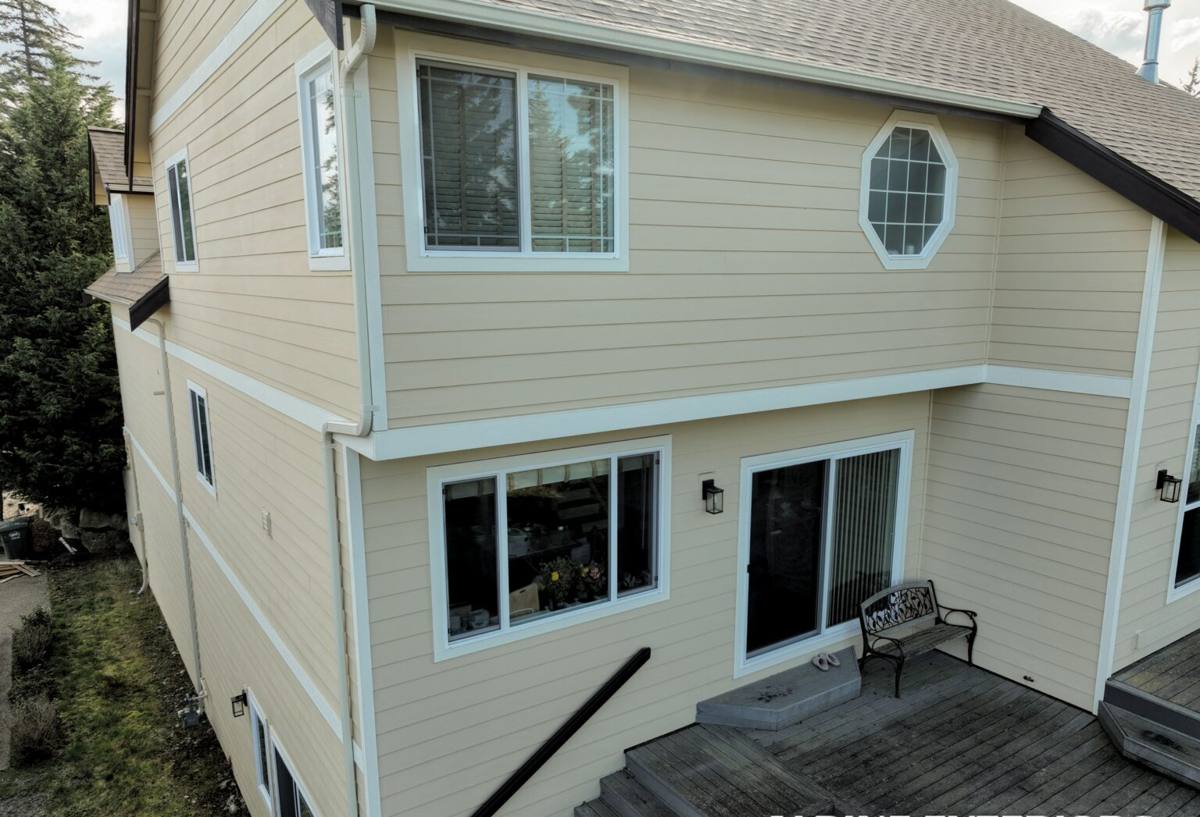
Why Siesta Key Is a Different Job Than "Sarasota Decking" in General
A composite deck built in a Sarasota mainland neighborhood a few miles from the water faces UV and heat, but a barrier-island deck on Siesta Key adds two more variables most inland jobs don't deal with at the same intensity: sustained salt-laden air and higher wind-driven rain exposure during storm season. Those two factors change what "correct" looks like in a few concrete ways:
- Fastener and hardware selection — standard coated screws and brackets corrode faster this close to the Gulf. We spec stainless or marine-grade coated fasteners for Key installs as a default, not an upgrade.
- Substructure material — pressure-treated joists still need the right treatment rating for ground or near-ground coastal exposure, and any ledger or structural connection to the house needs flashing detail that keeps wind-driven rain from tracking behind the board.
- Airflow under the deck — salt air combined with poor ventilation under a low-clearance deck accelerates corrosion of hidden hardware faster than the visible boards show it. Framing height and vent gaps matter more here than on an inland lot.
None of this is exotic. It's standard coastal construction practice — but it only gets applied correctly if the crew is used to building this close to the water and treats it as the default spec, not an afterthought.
What Sarasota's Climate Does to a Deck Over Time
Four things do most of the damage to decking in this region, and Siesta Key gets all four at close to maximum intensity:
Year-Round UV
Florida sun doesn't take a season off. UV breaks down surface resins in lower-grade composite over years of exposure, which is why board quality and cap-stock construction matter more here than in northern climates where the material only takes a real UV beating for half the year.
Wind-Driven Rain
Rain that comes in sideways during a squall or tropical system pushes water into joints, fastener holes, and ledger connections that a vertical rain never reaches. Flashing and gap details that would be optional in a drier inland climate are not optional here.
Hurricane-Force Wind Loads
Decks attached to the house, plus any rail systems, need to be fastened and blocked to handle real uplift and lateral load, not just support foot traffic. This is a structural question as much as a decking-material question, and it's where cutting corners on framing shows up first when a storm comes through.
Salt Air
Even without a direct ocean view, barrier-island air carries salt that settles on every exposed surface, including under-deck hardware. It doesn't rot composite boards the way it can degrade untreated metal, but it does mean fastener choice and hardware finish are part of the decking decision, not a separate line item.
What a Correct Composite Deck Installation Involves
A composite deck is only as good as what's underneath it. The board itself is the part homeowners see and evaluate, but most of the failures we get called out to inspect on older Siesta Key decks trace back to substructure or fastening choices made years earlier, not the decking material itself.
Substructure
Joists and beams rated for the exposure, proper spacing for the specific composite product being used (composite generally needs tighter joist spacing than wood — follow the manufacturer's span table, not habit), and ledger flashing that actually sheds water away from the house band board.
Fastening
Hidden fastener clip systems are standard on most composite lines now and give a cleaner surface with no exposed screw heads to loosen or corrode over time. Where face-screwing is used — stair treads, picture-frame borders, certain trim details — corrosion-resistant fasteners matched to the board manufacturer's requirements, not generic deck screws.
Expansion Gaps
Composite boards move with heat more than people expect, and Sarasota's board and deck surface temperatures in summer are significant. Gaps between boards, and around any fixed obstruction like a post or wall, need to be set to the manufacturer's spec so the deck doesn't buckle or gap unevenly as it expands and contracts through the season.
Drainage and Ventilation
Adequate clearance and airflow under the deck keeps moisture from sitting against joists and hardware. On lower-clearance decks common in older Key properties, this sometimes means adjusting the framing height or adding vent gaps that weren't there originally.
Composite vs. Wood vs. PVC — An Honest Comparison for This Climate
We install composite for most Siesta Key deck projects because it holds up well against UV and moisture without the ongoing maintenance wood requires, but it's not automatically the right call for every situation. Here's how the three main options actually compare for this specific climate:
| Material | Maintenance | UV / Heat Behavior | Moisture / Salt Air | Typical Lifespan Here |
|---|---|---|---|---|
| Pressure-Treated Wood | Annual sealing/staining recommended in this climate | Fades, checks, splinters faster under year-round sun | Needs consistent maintenance to resist rot near salt air | 10-15 yrs with upkeep |
| Composite (capped) | Occasional soap-and-water cleaning | Cap-stock resists fading and UV degradation well | Doesn't rot; fasteners/hardware still need coastal-rated spec | 25-30 yrs, mfr-dependent |
| PVC / Cellular PVC | Low, similar to composite | Very stable in heat, minimal expansion issues | Fully moisture-immune; often costs more upfront | 25-30+ yrs |
Composite tends to be the sweet spot for Siesta Key homeowners who want the low maintenance and moisture resistance without the full PVC price premium. We'll walk through actual board options and pricing for your project during the estimate rather than quoting numbers here that don't apply to your specific layout and square footage.
Our Process on Siesta Key Jobs
- On-site assessment — we look at the existing structure (if replacing a deck), house connection point, sun/shade exposure, and any storm or moisture damage before quoting anything.
- Material selection — we go over composite board lines, colors, and hardware options suited to barrier-island exposure, with straightforward tradeoffs on cost versus warranty and appearance.
- Permitting — deck work on Siesta Key typically requires permitting through the appropriate local jurisdiction; we handle that as part of the project rather than leaving it to the homeowner.
- Demo and substructure — removal of old decking where applicable, inspection and correction of framing, and installation of coastal-rated fasteners and flashing.
- Decking installation — board layout, expansion gaps, hidden fastening, trim and stair details finished to manufacturer spec.
- Final walk-through — we go over the finished deck with you, including basic care guidance specific to composite in a salt-air environment.
Signs Your Current Deck Needs Attention
If you're on Siesta Key or nearby and noticing any of the following, it's worth having someone look at the deck before it becomes a bigger repair:
- Boards that feel spongy, uneven, or have visible sagging between joists
- Fastener heads that are rusting, popping up, or staining the board around them
- Gaps between boards that have closed up tight or widened unevenly (a sign of expansion issues)
- Visible corrosion or deterioration on any metal hardware, brackets, or ledger flashing you can see from underneath
- Railing posts that feel loose or move under load
- Discoloration or surface degradation that looks different from normal weathering
Some of these are cosmetic. Others, especially loose railing posts or corroded structural hardware, are safety issues that shouldn't wait for a slow season to address.
Maintenance Once It's Installed
One of the real advantages of composite over wood is how little ongoing work it needs — but "low maintenance" isn't "no maintenance," particularly in this climate. Periodic rinsing removes salt residue and pollen buildup before it becomes ground-in. Keeping planters and furniture feet from trapping moisture against the board surface avoids localized staining. And an annual look underneath the deck at fastener condition and any framing connections catches small hardware issues before they become structural ones. None of this is labor-intensive, but skipping it entirely in a coastal environment shortens the life of even a good composite installation.
Why Hire a Crew That Already Works Siesta Key
A lot of the decisions that determine whether a composite deck lasts 10 years or 25 in this climate aren't visible in the finished product — they're in the fastener grade, the flashing detail at the ledger, the joist spacing, and the substructure treatment rating. A crew that builds regularly on the barrier islands treats those coastal-spec details as the default, because they've seen what happens on the decks where someone used inland-standard hardware or skipped the flashing step to save time. We're a Sarasota-based crew that works Siesta Key and the surrounding county regularly, and we price and build every deck to the exposure it will actually face, not a generic inland spec.
If you're planning a new composite deck or need to replace one that's showing its age, we're happy to come take a look and give you a straightforward, no-pressure estimate. There's a form below to get that started.