 Sarasota Siding
 Siding on a Barrier Island Isn't the Same Job as Siding on the Mainland
Siesta Key sits out on the Gulf, separated from the rest of Sarasota by water on every side. That position is exactly what makes it beautiful, and exactly what makes it brutal on exterior building materials. Homes here take on constant salt-laden air, direct Gulf sun for most of the year, wind-driven rain that gets pushed sideways into wall assemblies during storms, and tropical-strength wind gusts that arrive with little warning during hurricane season. A siding product that performs fine forty minutes inland on the mainland can fail years early once it's facing the Gulf.
This page is about one job, done right, in one place: installing James Hardie fiber cement siding on Siesta Key homes. Not a general siding overview — the specific climate conditions this barrier island throws at a wall system, what a correct installation has to account for, and why the crew doing the work matters as much as the material itself.
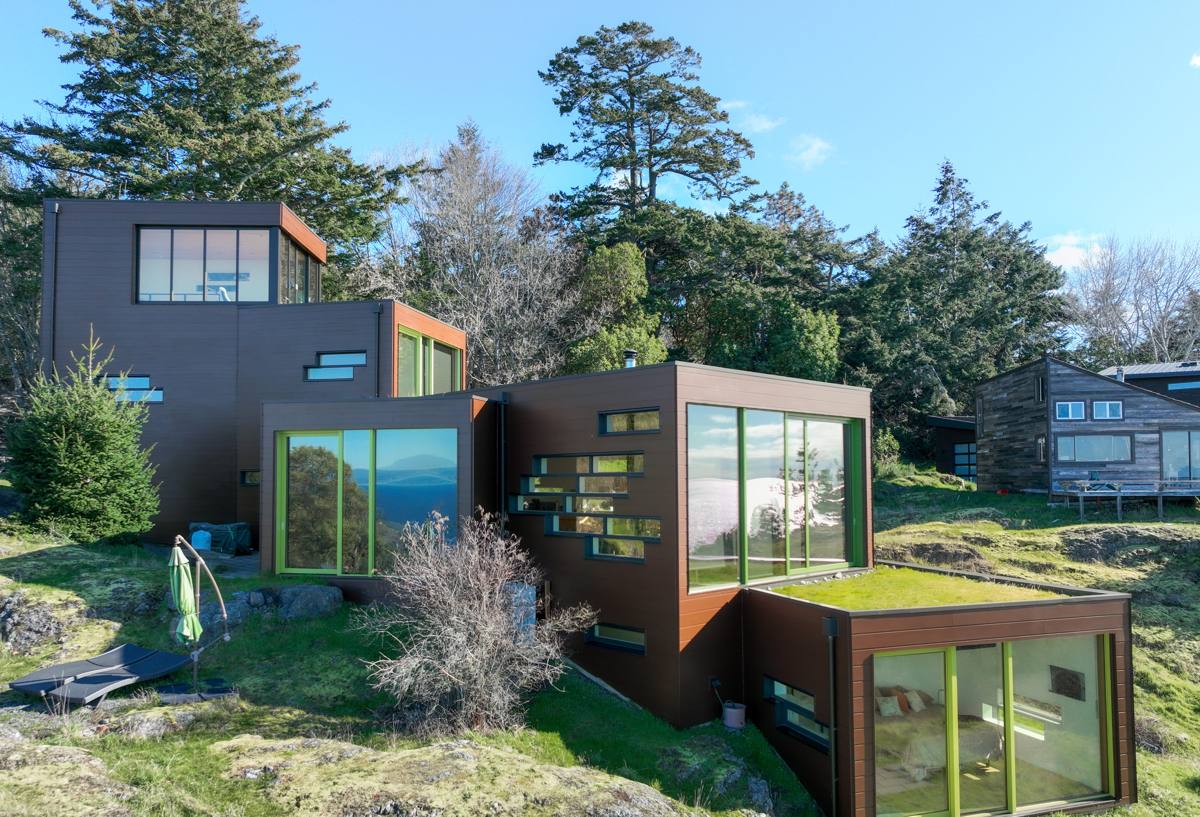
What Siesta Key's Climate Actually Does to Siding
Break it down into the four forces that matter most for a coastal Sarasota County home:
- Salt air corrosion — airborne salt settles on every exterior surface and accelerates the breakdown of fasteners, trim, and any material that relies on paint film alone for protection.
- Year-round UV exposure — Florida sun is intense for most of the year, and siding facing south or west on an open Gulf-front lot takes a harder UV load than a shaded mainland elevation.
- Wind-driven rain — during tropical storms and hurricanes, rain doesn't just fall, it gets driven sideways into seams, laps, and penetrations. Siding that isn't installed with the right clearances and flashing lets that water behind the wall.
- Hurricane-force wind loads — Sarasota County sits inside Florida's wind-borne debris region, and coastal Siesta Key lots see some of the highest wind exposure in the county. Fastening schedules and product wind ratings aren't optional details here.
Any one of these is manageable on its own. Together, over years, they're what separates siding that lasts three decades from siding that needs attention after five.
Why James Hardie Fits This Environment
We install James Hardie fiber cement exclusively, and a barrier island community like Siesta Key is where that decision earns its keep. Fiber cement is non-combustible and dimensionally stable, meaning it doesn't expand, contract, warp, or absorb moisture into its core the way wood-based products can. For a home facing constant humidity swings and salt exposure, that stability matters more than it does on a drier, inland lot.
The HZ5 Line and Climate Engineering
James Hardie engineers its HardieZone products by climate exposure category, and Sarasota County falls into the HZ5 zone — the category built for hot, humid, storm-exposed regions. That's not a marketing label; it affects the formulation and moisture performance of the board itself. It's the right baseline for a Siesta Key install, not an upsell.
ColorPlus Factory Finish
Fiber cement job-site paint fades fastest exactly where Siesta Key homes need it most — full-sun, salt-exposed elevations. James Hardie's ColorPlus finish is baked on in a factory-controlled process with UV-cured coating layers, which holds color and resists fading and chipping far better than field-applied paint, and it comes backed by its own finish warranty separate from the substrate warranty.
What a Correct Installation Involves
James Hardie siding is only as good as the installation behind it. On a coastal property like Siesta Key, a handful of details separate a job that performs for decades from one that fails at the seams within a few storm seasons.
| Detail | Why It Matters on Siesta Key |
|---|---|
| Proper clearance above roofing, decks, and grade | Keeps splash-back and standing water off the bottom edge of the board where wind-driven rain collects |
| Correct fastener type and spacing | Under-fastened siding is the first thing to fail in sustained hurricane-force gusts |
| Flashing at every window, door, and penetration | Wind-driven rain finds any gap; flashing is what keeps it out of the wall cavity |
| Corrosion-resistant trim and fastener hardware | Standard hardware corrodes faster in salt air, leading to streaking and premature trim failure |
| Manufacturer-specified joint treatment and caulking | Improperly sealed joints are a direct path for moisture intrusion behind the cladding |
None of this is exotic. It's James Hardie's own published installation specification, followed to the letter. Where jobs go wrong is when a crew treats a coastal install the same as an inland one and skips a step that only shows itself years later.
Fasteners, Trim, and the Salt-Air Detail Most Crews Skip
Salt air is corrosive to more than the siding board itself. Fasteners, flashing, and trim hardware take the brunt of it, and using standard-grade hardware on a Gulf-facing home is one of the most common shortcuts we see. Corroded fasteners eventually loosen or stain the face of the siding, and corroded flashing stops doing its job long before the siding itself is due for attention. On Siesta Key installs, hardware selection isn't a minor spec — it's a decision that determines whether the wall assembly is still tight in fifteen years.
How We Approach a Siesta Key Job
Every home is different, but the process holds the same shape from estimate to final walkthrough:
- On-site assessment — we look at current siding condition, moisture history, elevation exposure (Gulf-facing walls get more attention than sheltered ones), and any existing water intrusion or rot at trim and penetrations.
- Product and color selection — HZ5 panel or lap profile, ColorPlus finish selection, and trim package matched to the home.
- Tear-off and substrate check — old siding comes off, and the sheathing underneath gets inspected before anything new goes up. Covering damaged sheathing with new siding just hides a problem.
- Flashing and moisture barrier installation — done to manufacturer spec at every window, door, and penetration before a single course of siding goes on.
- Siding installation — correct clearances, fastening schedule, and joint treatment throughout.
- Final walkthrough — we go over the finished work with the homeowner before calling the job done.
Why a Crew That Already Works Siesta Key Matters
Siesta Key isn't logistically the same as a mainland Sarasota neighborhood. Access roads are narrower, staging space for materials and dumpsters is tighter, and seasonal traffic changes how a job gets scheduled and supplied. A crew that already works this barrier island has already solved those logistics — where to stage material, how to time deliveries, how to protect landscaping and neighboring properties on tighter lots.
There's also a building-department reality: coastal Sarasota County jurisdictions apply Florida's wind-borne debris region requirements, and permitting reviewers know the difference between a generic siding submittal and one that actually accounts for the wind exposure category of a specific barrier island address. Familiarity with that process keeps a project moving instead of stalling in plan review.
Signs a Siesta Key Home Needs Siding Attention
Coastal exposure tends to show up in specific, recognizable ways before a problem becomes serious:
- Soft or spongy spots when you press on the siding near the bottom courses or around windows
- Visible streaking or rust trails coming from fastener heads or trim edges
- Paint that's chalking, fading unevenly, or peeling faster on Gulf-facing walls than on sheltered elevations
- Gaps opening up at seams, corners, or trim joints
- Any history of water intrusion after a tropical storm or heavy wind-driven rain event
Catching these early is almost always cheaper than waiting for them to become a full replacement.
What Drives Cost on a Siesta Key Project
| Factor | Why It Affects Price |
|---|---|
| Home size and elevation count | More wall area and more corners/dormers mean more material and labor |
| Existing substrate condition | Rotted sheathing found during tear-off requires repair before new siding goes on |
| Trim and detail complexity | Cladding around multiple window styles, columns, or architectural detail adds labor |
| Access and staging | Tighter Siesta Key lots and narrower access can affect logistics and timeline |
| Product line and finish selection | Panel vs. lap profile and ColorPlus color selection both factor into material cost |
We won't quote a number without seeing the home — anything else is a guess. What we can tell you upfront is that we price the job to be installed correctly to Hardie's coastal specification, not to hit a low number by skipping steps that matter here.
If your Siesta Key home is due for new siding, or you want an honest read on whether current siding is holding up under Gulf exposure, we'll come take a look. The estimate is free, there's no pressure, and you'll get a straight answer either way — use the form below to get started.