 Sarasota Siding
 Siesta Key Roofs Work Harder Than Most
A roof on Siesta Key doesn't sit in the same conditions as a roof twenty miles inland. Barrier island homes take the full brunt of Gulf humidity, salt-laden air, and whatever tropical system rolls through Sarasota County each season. Add in near-constant summer UV and the kind of wind-driven rain that finds every weak seam, and you have a roofing environment that punishes shortcuts faster than almost anywhere else in Florida. A roof replacement here isn't just about swapping old material for new — it's about building an assembly that's suited to this specific exposure.
We work Siesta Key regularly, alongside the rest of Sarasota, so we're not learning the island's quirks on your project. Salt air corrodes fasteners and flashing faster than it does inland. Wind uplift on a barrier island is a real design factor, not an afterthought. And intense, near-daily UV exposure ages roofing material faster than the manufacturer's glossy brochure implies. Every recommendation below reflects what actually holds up under those conditions, not just what's cheapest to install.
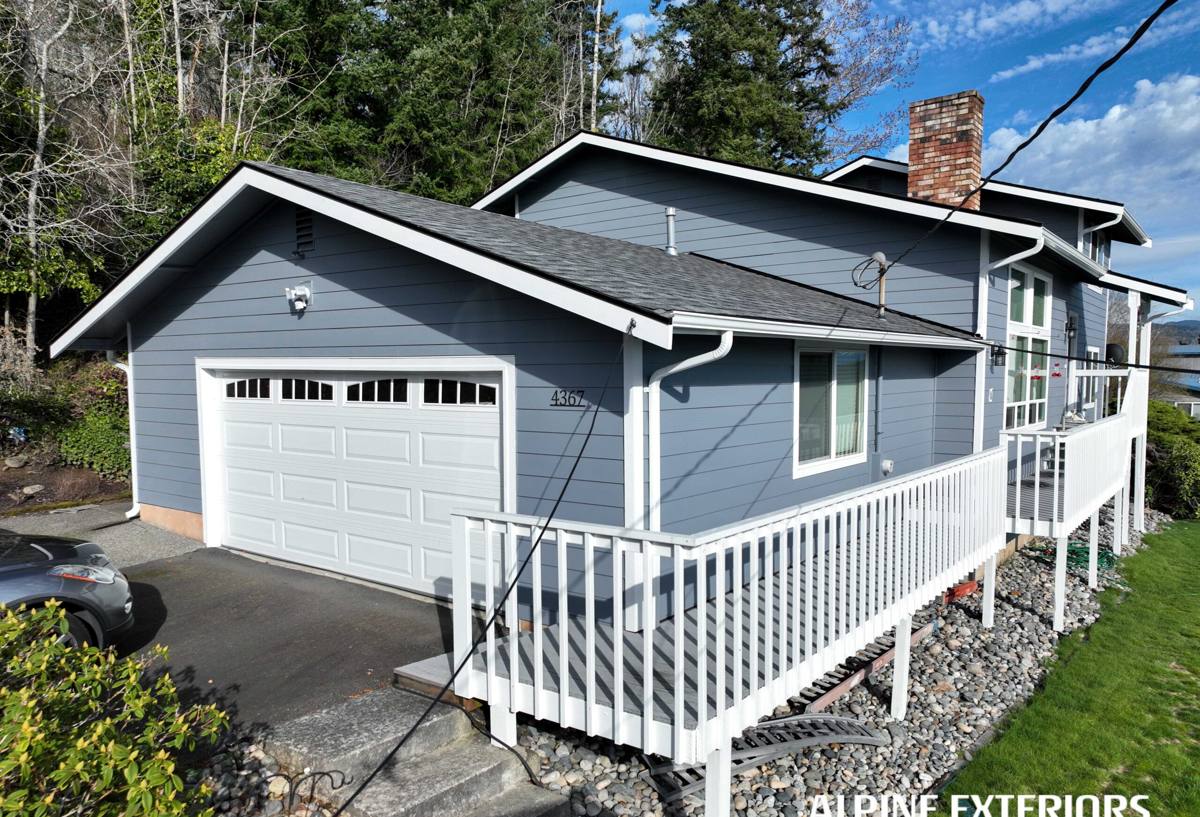
What "Correct" Actually Means on a Roof Replacement
Roof replacement gets sold as a simple swap — tear off the old, nail down the new. Done properly, it's a sequence of decisions that each affect how the roof performs in a coastal wind and moisture environment. Skipping or rushing any one of these is where most premature roof failures start.
Full Tear-Off, Not a Layover
We remove the existing roofing material down to the deck rather than layering new shingles or panels over old ones. A layover traps moisture, hides deck damage, and voids most manufacturer warranties outright. It also adds weight without adding real wind resistance — the opposite of what a coastal roof needs.
Deck Inspection and Repair
Once the old material is off, we inspect the roof deck for rot, delamination, or soft spots — common on older Sarasota homes where humidity has worked its way into the sheathing over the years. Any compromised decking gets replaced before anything new goes down. Installing new roofing over a weak deck is one of the most common causes of early failure we see when re-roofing over someone else's shortcut.
Underlayment Built for Wind-Driven Rain
Standard felt underlayment is not what we'd choose for a Siesta Key home. We use synthetic or self-adhering underlayment rated for high wind and water intrusion, with special attention to valleys, eaves, and any low-slope sections where wind-driven rain tends to find its way in during a storm.
Flashing Done Right
Flashing failure — not shingle or panel failure — is the leading cause of roof leaks we encounter on service calls. Chimneys, skylights, sidewalls, and roof-to-wall transitions all need properly formed, corrosion-resistant flashing, installed in the correct sequence with the underlayment and roofing material, not just caulked over.
Ventilation That Matches the Assembly
Proper intake and exhaust ventilation keeps attic temperatures and moisture in check, which matters for shingle life, energy costs, and preventing condensation-driven wood rot — all accelerated by Florida's heat and humidity. We size and balance ventilation to the specific roof, not a one-size-fits-all vent count.
Material Options for Barrier Island Homes
There's no single "best" roofing material for Siesta Key — the right choice depends on your home's structure, your budget, and how much long-term maintenance you're willing to take on. Here's an honest comparison of the main options we install and service in the Sarasota area.
| Material | Wind & Salt Air Performance | Typical Lifespan | Maintenance |
|---|---|---|---|
| Architectural Asphalt Shingle | Good, when installed with high-wind nailing pattern and rated underlayment | 20-30 years | Periodic inspection, algae/staining upkeep in humidity |
| Standing Seam Metal | Excellent uplift resistance; look for coastal-rated coatings to resist salt corrosion | 40-50+ years | Low; occasional fastener and sealant checks |
| Concrete or Clay Tile | Very good wind performance when properly fastened; heavier structural load | 40-50+ years | Periodic checks for cracked or shifted tiles, underlayment replacement at intervals |
We don't push one material over another as a default — we walk through the trade-offs with you: upfront cost versus lifespan, structural weight limits on older homes, and how much maintenance you actually want to deal with living this close to the Gulf. If a product isn't a good fit for a specific roof — say, a heavy tile system on framing that wasn't built for that load, or a low-end shingle in a wind zone that deserves better — we'll say so plainly rather than install something that won't hold up.
Wind, Code, and What Sarasota County Requires
Florida Building Code sets wind-uplift and material-attachment standards that apply to roof replacements throughout Sarasota County, and those requirements are more demanding the closer you get to the coast. On Siesta Key specifically, that means correct fastener spacing, wind-rated underlayment attachment, and flashing details that meet current code — not whatever was standard when the home was originally built decades ago. A replacement is also the point at which permitting and inspection catch up your roof to current code, which matters for insurance and resale, not just storm performance.
We pull permits and schedule inspections as part of every replacement — it's not an optional add-on. A roof that skips permitting can create real problems later: insurance claim disputes, complications at resale, or simply not knowing whether the work actually meets current wind standards.
Salt Air and UV: The Slow Damage You Don't See Right Away
Two things quietly shorten roof life on Siesta Key faster than almost anywhere inland in the county:
- Salt air corrosion — attacks exposed metal fasteners, flashing, and vent components. We use corrosion-resistant fasteners and flashing rated for coastal exposure, not standard-grade hardware that starts rusting within a few seasons.
- UV exposure — breaks down roofing material's protective granules and coatings over time, which is a bigger factor here given how much direct, intense sun this stretch of coast gets year-round. Material with a solid UV/heat rating holds its color and integrity longer than budget-grade product.
Neither of these shows up as an obvious problem in year one or two. They show up as premature granule loss, rusted fasteners, or flashing that fails five to ten years earlier than it should. Choosing the right hardware and material grade up front is cheaper than dealing with early repairs later.
Signs Your Siesta Key Roof Needs Replacement, Not Repair
Not every roof problem calls for a full replacement — sometimes a targeted repair is the honest answer. But certain signs point to a roof that's past the point where patching makes sense:
- Shingles that are cupping, curling, or losing granules across large sections, not just one isolated spot
- Multiple past repairs in different areas of the roof, suggesting the whole system is aging out together
- Visible sagging in the roofline, which can indicate deck or structural issues underneath
- Recurring leaks even after previous repairs
- Roof age approaching or past the material's expected lifespan, especially after multiple storm seasons
- Interior signs of long-term moisture: staining, musty odor in the attic, or soft spots in ceilings
If you're seeing one or two of these, a repair might still buy you time. If you're seeing several at once, replacement is usually the more cost-effective path — it stops the cycle of patch-and-repeat.
Our Process, Start to Finish
- On-site inspection. We assess the current roof, deck condition, ventilation, and any problem areas specific to your home before recommending anything.
- Honest material and cost walkthrough. We explain the real trade-offs between options for your budget and structure — no upselling toward whatever has the best margin.
- Permitting. We handle Sarasota County permitting so the job meets current Florida Building Code wind and attachment requirements.
- Tear-off and deck repair. Full removal of old material, with any deck damage addressed before new material goes down.
- Underlayment, flashing, and ventilation installed correctly. This is where most of a roof's long-term performance is actually decided.
- New roofing material installed to spec, including the fastening pattern required for wind performance in your zone.
- Final walkthrough and inspection sign-off, so you have documentation of code-compliant work for insurance and resale purposes.
Why a Crew That Already Works Siesta Key Matters
Siesta Key isn't logistically identical to a mainland Sarasota neighborhood. Barrier island access, narrow streets in some areas, and any applicable HOA or community guidelines can all affect scheduling and staging for a roofing project. A crew that already works this area on a regular basis isn't guessing at any of that — we plan around it instead of discovering it mid-project.
More importantly, local experience means we've seen how roofs actually perform here over time — which materials hold up to this specific combination of salt air, UV, and wind, and which ones look fine on install day but start showing problems in year three. That's the kind of knowledge that only comes from doing this work in this exact environment, season after season, not from a general roofing background applied to a coastal job.
Ready for an Honest Assessment?
If your Siesta Key roof is showing its age, or you just want a straight answer on whether repair or replacement makes more sense, we're glad to take a look. Reach out for a free, no-pressure estimate using the form below — we'll walk the roof, talk through your options plainly, and give you a real number, not a sales pitch.