 Sarasota Siding
 Southside Village sits close enough to Sarasota Bay that every roof in the neighborhood is doing double duty: it has to shed torrential summer downpours and hold together in a tropical storm or hurricane, while also surviving months of flat, punishing sun in between storms. Asphalt shingle roofing remains the most common choice for the area's mix of older bungalows and newer infill homes, and for good reason — modern architectural shingles, installed correctly for our wind zone, hold up well and cost less than metal or tile over the life of the roof. The catch is in that phrase "installed correctly." A shingle roof that's a good fit for a subdivision fifty miles inland isn't automatically a good fit for a home a short walk from the water in Sarasota County.
Why Southside Village Roofs Take a Different Kind of Beating
This part of Sarasota deals with the same broad climate as the rest of the Gulf Coast, but the details matter more than people expect. Homes here are exposed to hurricane-force wind gusts during the June-through-November storm season, near-constant UV exposure the rest of the year, wind-driven rain that finds its way under poorly sealed edges and flashing, and a steady dose of salt air drifting in off the bay. None of these on their own is unusual for Florida. Together, on an older roof with aging materials or a roof that was installed to a bare-minimum spec, they add up fast.
Salt air is the one homeowners underestimate most. It accelerates corrosion on exposed metal — nails, flashing, vent stacks, drip edge — well before the shingles themselves show their age. A shingle roof can look fine from the ground while the metal components holding it together are quietly failing underneath. That's one reason we pay close attention to fastener and flashing material, not just the shingle brand, when we're working in this part of the county.
Mature Tree Canopy and Debris
Many streets in and around Southside Village have older tree canopy, which is part of what makes the neighborhood pleasant to walk — and part of what shortens roof life if it's ignored. Overhanging limbs drop leaves and organic debris into valleys and against ridge caps, holding moisture against the shingles longer than open sun exposure would. That trapped moisture is a major contributor to algae streaking and premature granule loss, especially on the north-facing slopes that get less direct sun to dry out.
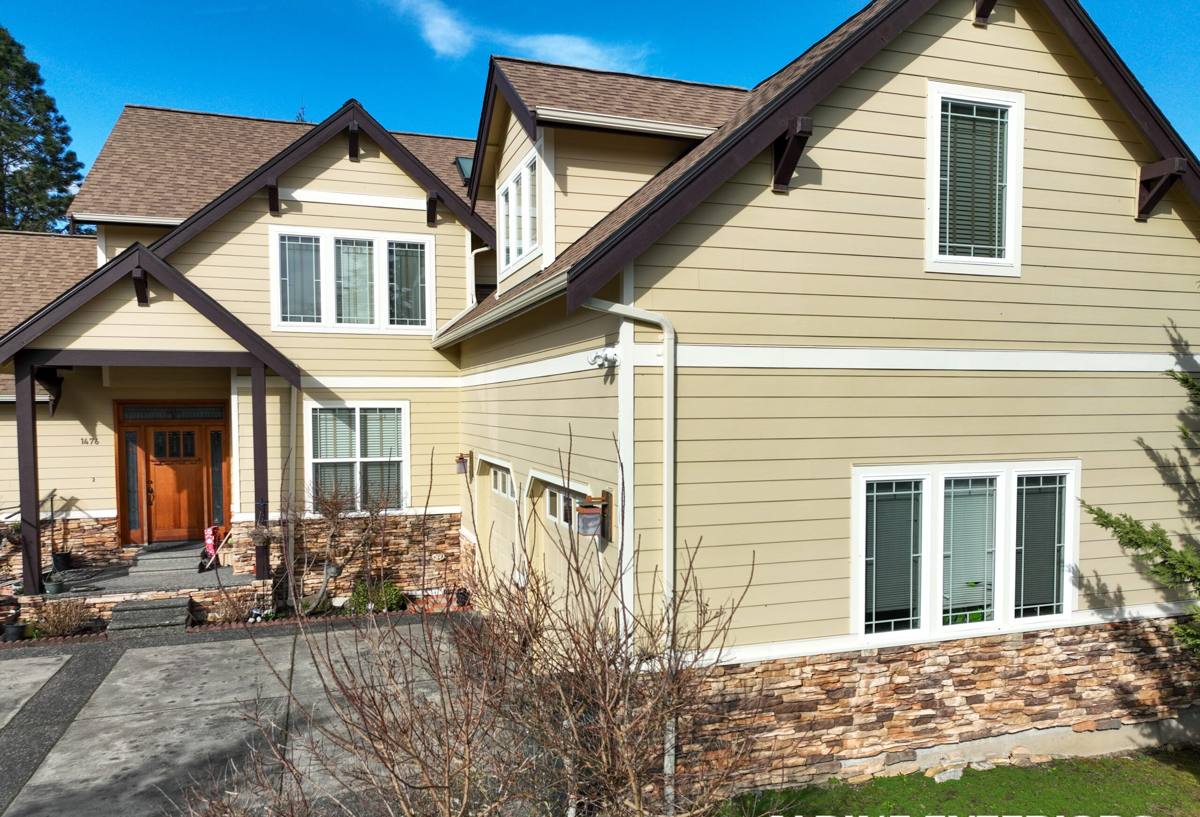
What a Correct Asphalt Shingle Job Actually Involves Here
"Asphalt shingle roof" covers a wide range of quality, and the difference isn't always visible from the street. A roof that will actually perform through a Sarasota hurricane season is built in layers, and every layer matters.
The Deck
Before a single shingle goes down, the roof deck has to be sound. On older Southside Village homes, that means checking for delaminated or soft plywood, especially around old vent penetrations, valleys, and eave edges where past leaks may have gone unnoticed. Shingles fastened to a spongy or rotted deck won't hold their nailing pattern in high wind no matter how good the shingle is.
Underlayment and Secondary Water Barrier
Standard felt underlayment is the minimum. In a wind-driven-rain climate like ours, a synthetic underlayment with better tear resistance and water holdout is the more durable choice, and self-adhering underlayment at eaves, valleys, and around penetrations gives the roof a genuine secondary water barrier — a second line of defense if wind ever lifts a shingle edge during a storm.
Fasteners and Nailing Pattern
Florida Building Code sets minimum nailing requirements for high-wind zones, and Sarasota County enforces them at permit and inspection. Corrosion-resistant fasteners, driven in the correct pattern and location on each shingle (not just "close enough"), are what actually keep a roof on the house in a named storm. This is the single most common corner cut on rush jobs, and it's invisible once the roof is finished — you only find out it was skipped when shingles start coming off in a storm that a properly nailed roof would have shrugged off.
Flashing, Edges, and Ventilation
Drip edge at eaves and rakes, step flashing at walls and chimneys, and properly sealed ridge vents are where most leaks actually start on an otherwise sound shingle roof. Balanced attic ventilation also matters more in our climate than people realize — a hot, poorly ventilated attic bakes shingles from underneath, shortening their life regardless of how good the shingle itself is.
Shingle Options for This Climate
Not every asphalt shingle product is built the same, and the right choice depends on budget, wind rating needs, and how the roof will hold up to sun and salt exposure over time.
| Shingle Type | Typical Wind Rating | Algae Resistance | Best Fit |
|---|---|---|---|
| 3-tab shingles | Lower wind rating, lighter profile | Limited unless AR-rated | Budget re-roofs on lower-exposure structures |
| Architectural (dimensional) shingles | Higher wind rating, better wind warranty | Usually algae-resistant (AR) granules available | Standard recommendation for most Sarasota County homes |
| Premium/designer shingles | Highest wind rating in the asphalt category | Algae-resistant granules standard | Homes wanting a heavier, dimensional look with maximum durability |
For most homes in this neighborhood, architectural shingles with algae-resistant granules and a documented high-wind rating strike the right balance of cost, appearance, and storm performance. We'll walk through the manufacturer's published wind ratings and warranty terms for whatever product we recommend — you shouldn't have to take a wind rating on faith.
Cost Factors on a Southside Village Re-Roof
Every roof quote should be able to explain itself. These are the variables that actually move the price, beyond the shingle itself:
| Factor | Why It Matters |
|---|---|
| Roof pitch and complexity | Steeper pitches and multiple valleys/dormers take more labor and material waste |
| Existing layers to remove | Tear-off of old shingles (sometimes multiple layers) adds labor and disposal cost |
| Deck condition | Rotted or delaminated plywood sections need to be replaced before shingles go down |
| Underlayment upgrade | Synthetic and self-adhered barrier at eaves/valleys costs more than felt but performs far better in wind-driven rain |
| Ventilation changes | Adding or upgrading ridge/soffit ventilation is worth pricing separately if the attic is currently poorly vented |
| Permit and inspection | Sarasota County permitting and required inspections are a fixed cost of doing the job to code, not an optional add-on |
Signs a Southside Village Roof Needs Attention
- Granules collecting in gutters or at downspout outlets, especially after storms
- Shingle edges curling, cupping, or lifting, particularly on sun-exposed slopes
- Dark streaking or algae growth, most visible on north-facing sections under tree cover
- Cracked or missing shingles after a wind event, even if there's no visible leak yet
- Rusted or corroded flashing, vent stacks, or exposed fasteners
- Soft spots or sagging visible from the attic or from the ground
- Daylight visible through the roof deck from inside the attic
- A roof approaching or past the age range where its wind mitigation credit and insurability start to slip
Insurance and Wind Mitigation Considerations
Roof age and condition directly affect Florida homeowners insurance premiums and eligibility, and that's especially true this close to the coast. A properly documented shingle roof — correct nailing pattern, code-compliant underlayment, and a wind mitigation inspection reflecting how it was actually built — can make a real difference on renewal. We provide the documentation homeowners need for their wind mitigation inspection after a re-roof: shingle type, fastening method, underlayment, and roof-to-wall connection details, all things an insurance adjuster or inspector will ask about.
How We Approach a Southside Village Roofing Job
- Inspection and assessment — a full walk of the roof (and attic where accessible) to check the deck, existing flashing, ventilation, and any storm or age-related damage before we quote anything.
- Written scope and permit — a clear, itemized scope of work and Sarasota County permit pulled before tear-off begins, not after the fact.
- Tear-off and deck repair — full removal of old roofing material, with any soft or damaged decking replaced and documented, not covered over.
- Underlayment and flashing — synthetic underlayment with self-adhered protection at vulnerable areas, new drip edge, and correctly integrated step and wall flashing.
- Shingle installation — installed to the manufacturer's high-wind nailing specification, matched to Florida Building Code requirements for our wind zone.
- Ventilation check — ridge and soffit ventilation confirmed or corrected so the finished roof isn't trapping heat and moisture against the underside of the shingles.
- Final inspection and walkthrough — county inspection completed, site cleaned of debris and nails, and a walkthrough so you know exactly what was done and what the warranty covers.
Why Local Experience in This Neighborhood Matters
A crew that already works in and around Southside Village isn't guessing at wind zone requirements, permit timelines with Sarasota County, or how salt air and tree canopy interact to age a roof faster than the manufacturer's brochure suggests. That familiarity shows up in small decisions — which underlayment to spec, how much attention the flashing around an older chimney needs, whether an attic's current ventilation is actually adequate — that a crew unfamiliar with the area might not think twice about. It also means we're not learning the local permitting process on your project.
We're not going to tell you every roof needs the most expensive shingle on the shelf. Plenty of homes here do fine with a well-installed architectural shingle at a mid-range price point. What we won't do is cut corners on the parts of the job that don't show — the nailing pattern, the underlayment, the flashing — because those are exactly the details that determine whether a roof holds up the first time a real storm rolls through.
If your Southside Village roof is showing its age, took storm damage, or you just want an honest read on where it stands, we're happy to take a look. Use the form below to request a free, no-pressure estimate — no obligation, just a straight answer about what your roof actually needs.