 Sarasota Siding
 Windows Built for What University Park Actually Deals With
University Park sits inland enough to feel a step removed from the beaches, but the weather doesn't know the difference. Sarasota County still gets the full package: hurricane-force wind gusts during tropical systems, sun that beats down on glass and frames nearly every day of the year, wind-driven rain that finds every weak seal, and salt-laden air that drifts in off the Gulf and works on metal hardware and fasteners year-round. Windows here don't fail because homeowners neglected them. They fail because they were never built, sized, or installed for this specific combination of stress.
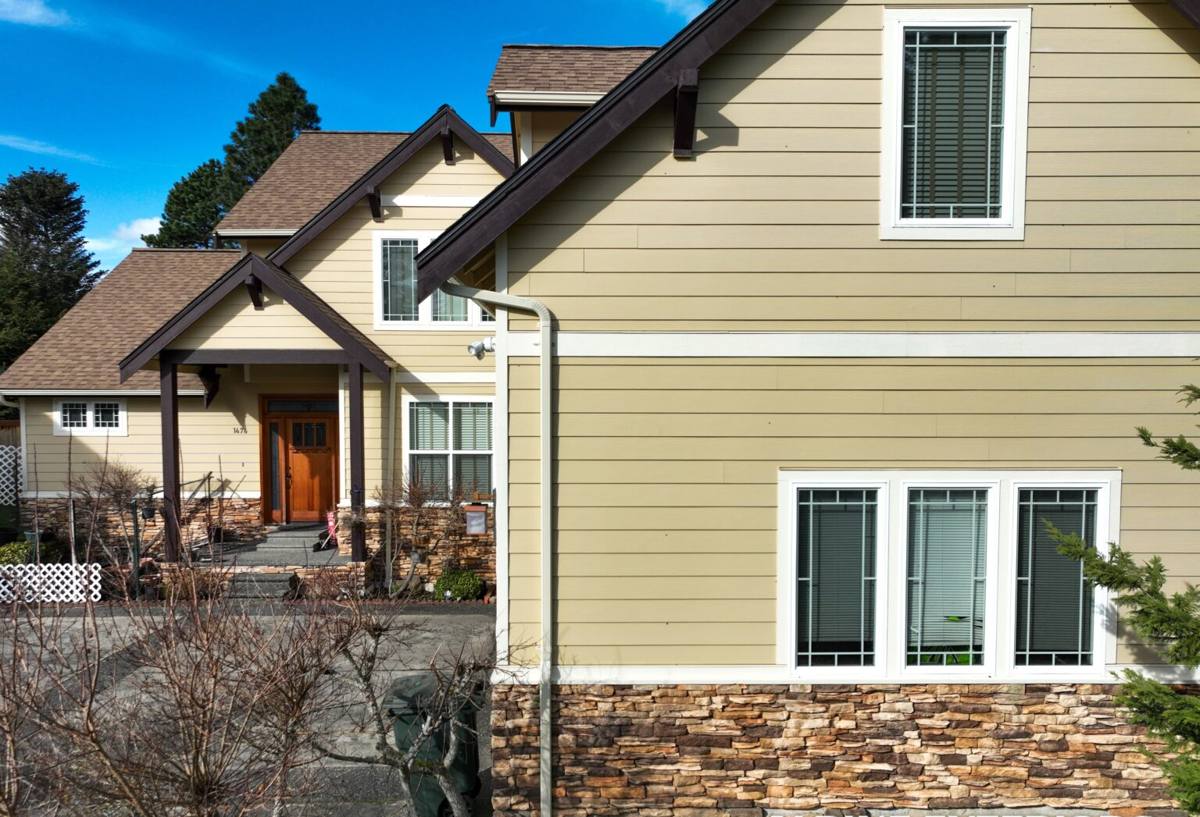
Custom windows solve a problem that off-the-shelf replacement units can't: they're made to match your home's actual openings, architectural style, and structural requirements, rather than forcing your house to accept whatever standard sizes a big-box supplier has in stock. In a community like University Park, where homes often have distinctive rooflines, arched openings, larger-than-standard glass areas, or golf-course and lake-facing walls of windows, that fit-and-function precision matters even more.
What "Custom" Actually Means in Practice
Custom doesn't just mean a different size. It covers several things that go into getting a window right for your specific house:
- True-to-opening sizing — built to your rough opening rather than trimmed or shimmed to fit a stock size, which keeps the frame square and the seal intact.
- Shape matching — arches, transoms, angled tops, and other non-rectangular openings common in higher-end Florida construction.
- Architectural consistency — grid patterns, frame profiles, and exterior colors that match your home's existing look instead of a mismatched retrofit.
- Performance matched to exposure — a west-facing wall of glass that takes brutal afternoon sun needs a different glass package than a shaded, protected opening on the same house.
- Structural sizing for wind load — larger openings and multi-panel configurations need frame reinforcement and anchoring calculated for the actual opening size, not a generic rating.
Impact Ratings and Florida Building Code
Sarasota County falls under Florida's Building Code wind-borne debris requirements, and every window we install is specified to meet the wind load and impact standards that apply to your address and structure type. This isn't optional paperwork — it's the difference between a window that survives a storm and one that becomes a hole in your exterior wall, which then puts pressure on your roof and interior from the inside out.
Two approaches satisfy the code: impact-rated glass that resists penetration on its own, or code-approved shutter systems paired with standard glass. For most University Park homeowners, impact glass is the more livable long-term choice — no scrambling to install panels before a storm, no dead storage space for shutters the rest of the year, and a cleaner look on homes where curb appeal matters. We'll walk you through both options honestly, including the cost trade-offs, rather than pushing whichever is easiest for us to sell.
Why This Matters Beyond Storm Season
Correctly rated windows aren't just a hurricane feature. The same laminated glass and reinforced frames that resist wind-borne debris also cut down on road and neighborhood noise, block a significant amount of UV transmission, and generally hold up better to the daily flexing and thermal stress that ordinary windows experience in a Florida climate. You get the storm protection every day, not just during a named storm.
Frame Materials: What Holds Up in This Climate
Frame material choice matters as much as the glass. Salt air and constant humidity are hard on some materials and barely touch others. Here's how the common options compare for a University Park application:
| Frame Material | Coastal/Salt-Air Durability | Maintenance | Notes |
|---|---|---|---|
| Vinyl | Good | Low | Won't corrode or rust; can discolor over many years of intense UV exposure if lower-grade material is used |
| Fiberglass | Excellent | Low | Very stable dimensionally in heat, resists warping, strong option for larger custom openings |
| Aluminum | Fair to Good | Moderate | Strong for large spans, but needs a quality marine-grade finish to resist salt-air corrosion over time |
| Wood/Wood-Clad | Poor to Fair | High | We generally steer clients away from exposed wood frames on directly exposed elevations — the maintenance burden and moisture risk in this climate outweigh the appearance benefit |
We don't install every product on this list on every job — where we recommend against a material, it's based on how it actually performs under Sarasota County humidity and salt exposure over a decade-plus, not a sales preference.
Glass Packages: Matching Glass to Sun Exposure
University Park has a mix of lot orientations — some homes face open water or golf course with long, unshaded sun exposure, others are more sheltered by mature landscaping. Glass selection should follow the exposure, not a one-size answer:
- Laminated impact glass — the baseline for code compliance and storm protection, with a plastic interlayer that holds the glass together even when cracked.
- Low-E coatings — reduce heat transfer through the glass, which directly affects your air conditioning load in a climate where the AC runs most of the year.
- Tinted or reflective options — worth considering on west- and south-facing exposures that take the harshest afternoon sun.
- Insulated (double-pane) glass — improves energy performance and sound dampening, generally paired with impact-rated outer panes for the best combination.
We'll assess each elevation of your home separately rather than specifying one glass package for the whole house — a shaded north-facing window and an unshaded west-facing one don't need the same solution.
How Our Installation Process Works
- On-site assessment. We measure every opening individually, check for structural issues around existing frames (rot, corrosion, settling), and review sun exposure by elevation.
- Product and glass selection. Based on that assessment, we recommend frame material, glass package, and configuration for each opening — not a single blanket spec for the whole house.
- Permitting. Impact window installation in Sarasota County requires permitting and inspection. We handle the permit submission and coordinate inspections as part of the job.
- Manufacturing. Because these are custom-built to your openings, there's a lead time between order and delivery — we'll give you a realistic timeline up front rather than an optimistic one.
- Removal and installation. Old frames come out, openings are checked and prepped, new units are set, shimmed level and square, and anchored per the engineering specification for your wind zone.
- Sealing and flashing. This step gets skipped or rushed more than any other in this trade, and it's the single biggest reason windows leak. Proper flashing and sealant application around the frame is what actually keeps wind-driven rain out during a storm.
- Final inspection and walkthrough. We confirm the installation passes county inspection and walk the homeowner through operation, locking hardware, and basic care.
Signs Your Current Windows Need Attention
Many homeowners live with failing windows longer than they should because the problems show up gradually. Worth checking for:
- Fogging or a hazy film between panes of double-glazed glass — a sign the seal has failed
- Visible daylight or drafts around the frame when the window is closed
- Difficulty opening, closing, or locking — often a sign the frame has shifted or corroded hardware
- Soft spots, discoloration, or staining on the interior wall or sill below the window
- Rising energy bills without another clear explanation
- Noticeable outside noise that seems louder than it used to be
- Chalky, pitted, or corroded aluminum frames or hardware — a common sign of long-term salt air exposure
Any one of these on its own isn't necessarily urgent. Several at once, or a window that shows a mix of these signs, usually means the unit is past the point where repair makes more sense than replacement.
What Drives the Cost of a Custom Window Project
| Factor | How It Affects Cost |
|---|---|
| Opening size and shape | Larger, non-standard, or arched openings require more custom fabrication |
| Frame material | Fiberglass and higher-grade vinyl typically cost more upfront than basic aluminum, but generally cost less in long-term maintenance |
| Glass package | Impact-rated, Low-E, and insulated combinations each add cost over basic single-pane glass |
| Number of openings | Whole-house projects often see better per-unit pricing than one-off replacements |
| Structural work needed | Rot, corrosion, or settling around existing openings adds repair scope before new windows go in |
| Permitting complexity | Larger projects or homes with prior unpermitted work can add time and cost to the permitting phase |
We provide a written estimate that breaks these factors out by opening, so you can see exactly what's driving the number rather than getting one lump-sum figure.
Why Hiring a Crew That Already Works in University Park Matters
Wind zone requirements, permitting expectations, and inspection standards vary by jurisdiction, and Sarasota County has its own process that a crew unfamiliar with the area has to learn on your job. A contractor who already works in and around University Park knows the local permitting office's expectations, has already dealt with the HOA or architectural review processes common in established Sarasota communities, and has seen firsthand how different frame materials and glass packages actually hold up here after a few storm seasons — not just what a manufacturer's brochure claims.
That local track record also means fewer surprises mid-project. We know what tends to be hiding behind older window frames in homes of this area's typical construction era, which lets us flag likely additional scope during the initial assessment instead of discovering it — and adding cost — mid-installation.
Caring for Custom Windows After Installation
Even well-built windows need basic upkeep in this climate. A short list that goes a long way:
- Rinse frames and tracks periodically to clear salt residue and debris, especially after storms
- Lubricate locks and moving hardware on a regular schedule to prevent corrosion from seizing them
- Inspect exterior caulk and sealant annually and touch up before small gaps become leak paths
- Clean weep holes (the small drainage openings at the base of the frame) so water can drain properly instead of pooling
- Have hurricane-rated hardware and locking mechanisms checked before storm season each year
If your University Park home has windows that are original to the house, showing wear, or simply not performing the way they should in Sarasota's climate, we're happy to take a look and talk through honest options. Reach out below for a free, no-pressure estimate — no obligation, just a straightforward assessment of what your home actually needs.