 Sarasota Siding
 Window Installation Built for a Siesta Key Address
Siesta Key sits on a barrier island in Sarasota County, with the Gulf of Mexico on one side and open bay water on the other, and that position changes what a correct window installation looks like compared to a job a few miles inland. Homes here run the range from older beach cottages and mid-century block construction to newer high-end builds, and whatever the age of the house, the windows are doing more work than windows on a typical mainland Sarasota property. They're absorbing more direct sun, taking wind loads a standard-issue window was never rated for, and sitting in salt-laden air that never really lets up. A window installation that would hold up fine in a sheltered inland neighborhood can start showing problems on Siesta Key years earlier if it wasn't sized, rated, and installed with that exposure in mind.
This page is specifically about window installation for Siesta Key — new units going into an existing opening, replacement of failing windows, and new construction or addition openings on the island. It's not a generic window page with the city name swapped in. The condition Siesta Key puts a window through, and what a correct installation has to account for, is genuinely different from a job in a more sheltered part of Sarasota County.
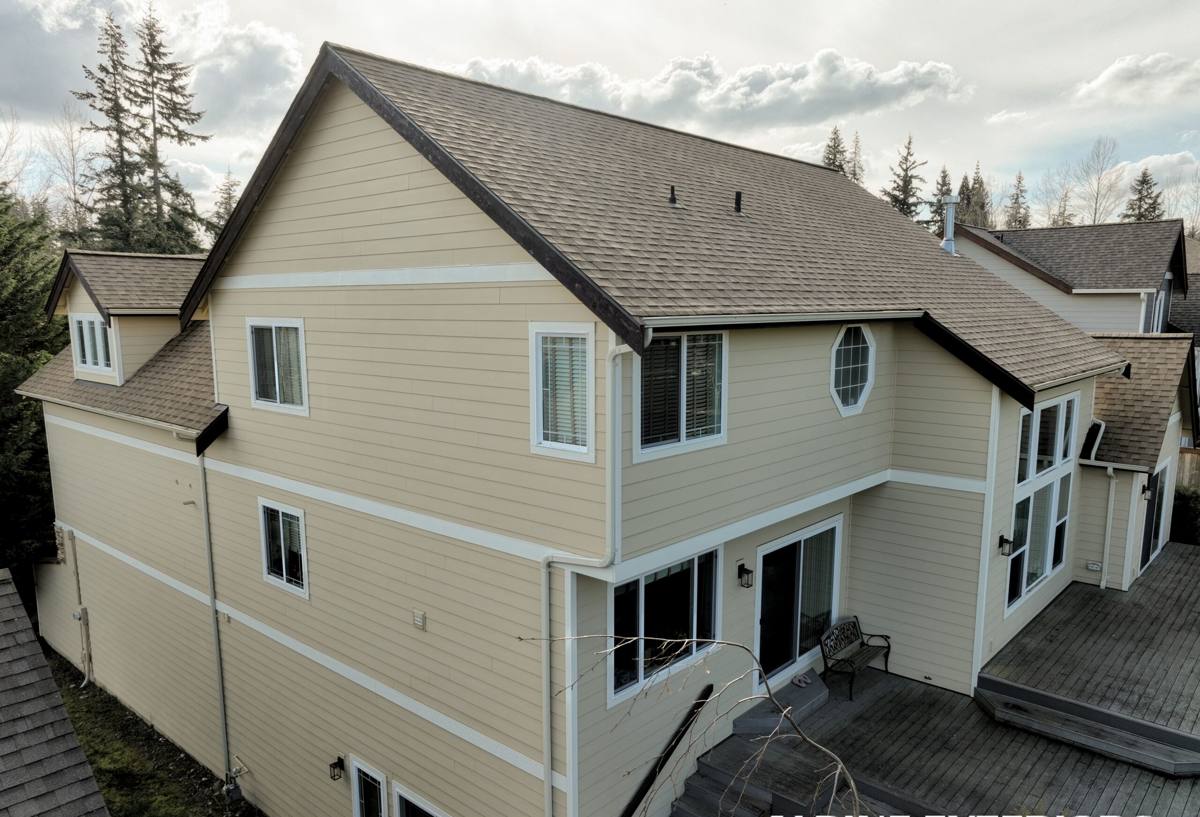
What the Climate Actually Does to Windows Here
Hurricane-Force Wind
Wind load isn't a theoretical consideration on a barrier island — it's the baseline design condition. A window facing open Gulf exposure takes direct pressure that a sheltered inland wall never sees at the same intensity, and that pressure is what drives Florida Building Code's wind-borne debris and impact requirements for this part of Sarasota County. The bigger the opening, the more that pressure load matters, and the more the anchoring into the surrounding structure has to be engineered for the specific size and location rather than assumed from a generic spec.
Intense, Near-Constant UV
Florida's UV exposure is among the highest in the country, and a Siesta Key window with open sky and reflected water light gets more of it than a shaded inland window does. Over time, that UV load breaks down lower-grade vinyl formulations, dries out weatherstripping, and degrades sealants faster than they're rated to handle, which shows up as yellowing, brittleness, and seals that fail years before they should. The frame material and finish quality of a window matter more here than in a milder climate, because the sun is doing continuous, cumulative damage whether or not a storm ever comes through.
Wind-Driven Rain
Storms and even routine squalls on the island push rain sideways into wall assemblies instead of straight down, which stresses window flashing and seams in ways calm-weather rain never does. The window unit itself is only half the defense against that — the flashing detail around the opening, and how well it ties into the surrounding wall, determines whether wind-driven rain stays outside or finds its way behind the trim and into the framing.
Salt Air, From More Than One Direction
Because Siesta Key is a barrier island, a lot of homes catch salt-laden air from the Gulf side, the bay side, or both, depending on the lot. That salt exposure works on exposed metal constantly, not just during storms — hardware, fasteners, screen frames, and hinges corrode faster here than they would inland, and a fastener that's starting to corrode loses holding strength well before it looks obviously bad. Hardware and fastener grade is a real installation decision on this island, not a detail to gloss over.
Where Window Problems Actually Start
On repair and replacement calls on Siesta Key, the water and wind damage we find rarely traces back to the glass or the sash itself failing. It traces back to the perimeter — flashing that wasn't lapped correctly to begin with, caulk that was used as the primary seal instead of a supplement to proper flashing, or anchoring that met a code minimum on paper but wasn't enough for the specific opening's real exposure. Those are the spots that decide whether a window installation holds up through hurricane season after hurricane season, or starts leaking and drafting within a couple of years.
Window Situations We See on Siesta Key
- Full window replacement in older beach cottages — original or first-generation windows that are past the point of reasonable repair, often in openings that don't match current standard sizes
- Impact-rated replacement for direct Gulf or bay exposure — sized and structurally rated to meet wind-borne debris requirements for the property's specific elevation
- Large picture and fixed-view windows — sized to take advantage of water views, with more glass area and more perimeter that needs correct flashing and a wind rating to match
- New construction and addition openings — windows for a remodel, addition, or full rebuild, sized and rated to current Florida Building Code from the start
- Sliding glass and multi-window combinations — common in Florida rooms and lanai-adjacent spaces, where openings often run wider than standard stock
- Condo and multi-family unit windows — installations that also have to account for building-specific rules and any association approval process on the island
Signs a Siesta Key Home Needs Window Attention
- Fogging or visible moisture trapped between panes on a double-pane unit
- Noticeable drafts, whistling, or air movement around a frame even when the window is fully closed and locked
- Sills, jambs, or surrounding trim that feel soft, stained, or show visible water damage
- Windows that stick, won't stay latched, or have hardware that's stiff or corroded
- Visible daylight or gaps where the frame meets the wall or siding
- Chalky, brittle, or discolored vinyl and weatherstripping that's given up under sun exposure
- A noticeably higher cooling bill without any other obvious cause
What a Correct Window Installation Involves
On-Site Assessment
We start with an actual field measurement of the opening and an honest look at the wall's real exposure — a window facing open Gulf water gets treated differently than one on a more sheltered elevation of the same house. That assessment, not a catalog measurement or an old set of plans, is what determines the impact rating and anchoring method the opening actually needs to meet Sarasota County's wind-borne debris requirements.
Structural and Anchoring Plan
Larger openings and higher wind exposures mean more load on the anchoring into the surrounding wall structure. On older Siesta Key homes, this step often uncovers framing or substrate issues — soft wood, prior water intrusion, out-of-square openings — that need to be addressed before a new window goes in. We handle that as part of the plan rather than as a surprise once the old unit is already out.
Flashing and Weatherproofing
This is the step that determines whether an installation actually performs on this island. Flashing has to lap correctly with the surrounding wall and any weather-resistive barrier behind the siding, directing water out and away from the rough opening instead of trapping it. Caulk plays a supporting role in that system — it isn't a substitute for it. We sequence flashing around the specific opening's geometry rather than applying one generic method to every window.
Finish, Hardware, and Corrosion Protection
Salt air goes after hardware and fasteners whether or not a storm ever hits. We spec corrosion-resistant hardware as standard practice on Siesta Key installs, not an upsell, and we finish trim and sealant joints to hold up to sustained UV and salt exposure rather than just look right on the day the job wraps.
Repair or Replace: How We Make the Call
Not every window on a Siesta Key property needs to come out. A window with a failed seal but a sound frame and functioning hardware is often a reasonable repair candidate. A window with rotted or water-damaged framing, a warped sash, or hardware that's been failing for years usually isn't — at that point, repeated patching costs more over time than a proper replacement would have.
| Condition | Repair Usually Makes Sense | Replacement Usually Makes Sense |
|---|---|---|
| Fogged glass, sound frame and seal channel | Yes — reglaze or seal replacement | Only if the frame is also compromised |
| Stiff, corroded, or broken hardware | Yes — hardware replacement | Not on its own |
| Soft or water-damaged framing | Rarely a lasting fix | Yes |
| Persistent leaks despite resealing | Sometimes, if flashing is the actual cause | Yes, if the unit itself is the source |
| Non-impact-rated unit on open exposure | Not a code or performance fix | Yes, for real wind and storm protection |
Choosing the Right Window for This Location
We install vinyl, fiberglass, and aluminum window systems suited to Gulf Coast conditions, and we walk homeowners through the actual trade-offs rather than pushing one brand as the only correct answer for every opening. A few factors matter more here than they would on a milder inland job:
- Impact rating: the level of wind-borne debris protection an opening needs depends on its specific wind exposure and elevation, not a blanket rule for the whole island.
- Frame material: vinyl and fiberglass generally hold up to sustained salt air and UV with less long-term maintenance than an uncladded wood exterior.
- Glazing package: impact-rated laminated glass with a low-E coating helps with both storm protection and year-round heat gain, which matters given how much direct sun Siesta Key gets.
- Hardware grade: corrosion-resistant hardware holds up longer against salt air from the Gulf, the bay, or both than standard-grade hardware does.
- Warranty structure: a manufacturer warranty on the unit is separate from the workmanship warranty on the installation — a strong product installed poorly is still a liability, and we stand behind our installation work on its own terms.
Quick Checklist Before You Order
- Confirm the opening has been field-measured and the specific wall's wind exposure evaluated, not estimated from old plans
- Ask what impact rating the unit needs to meet for your exact location and elevation on the island
- Get the anchoring and attachment plan explained in plain terms, especially for larger or oversized openings
- Ask about the flashing plan for your specific opening, not a generic answer
- Confirm hardware and fasteners are corrosion-resistant, not standard-grade
- Get a written scope that separates the product warranty from the installation warranty
- Get a realistic lead time in writing — impact-rated units, especially custom sizes, are typically built to order
Our Process, Start to Finish
- On-site assessment — we measure each opening, evaluate wind exposure for that specific wall, and check for any substrate or framing issues
- Honest recommendation — repair, standard replacement, or a custom or impact-rated unit, with the reasoning and required rating explained plainly
- Ordering and lead time — a realistic timeline communicated up front, since impact-rated and custom units are built to order
- Removal and opening prep — the old unit comes out carefully, and any hidden framing or flashing issues are addressed before the new window goes in
- Installation and anchoring — the new unit is set and anchored to meet the wind load requirements for its size and location
- Flashing, sealant, and trim — weatherproofing detailed for the specific opening, then finished to match the home's exterior
- Walkthrough — we go over operation, hardware, and any maintenance the specific product needs before we consider the job done
What Drives the Cost of a Window Installation Here
| Factor | What Changes the Price |
|---|---|
| Impact rating required | Direct Gulf or bay-facing openings typically need a higher-rated unit than a more sheltered interior wall of the same house |
| Size and shape | Oversized or non-rectangular openings cost more to engineer, order, and flash correctly than a standard rectangle |
| Opening condition | Rot, prior flashing failures, or out-of-square framing on older cottages add repair work before the new unit goes in |
| Frame material | Vinyl and fiberglass generally cost less to maintain long-term in salt air than an all-wood exterior finish |
| Number of units | A full-house or multi-window replacement typically has better per-unit economics than one-off individual jobs |
| Access and building type | Condo and multi-story installations can involve additional logistics and association review beyond a single-family opening |
Why Hiring a Crew That Already Works Siesta Key Matters
Manufacturer installation instructions are written for average conditions, and a barrier island in Sarasota County rarely qualifies as average. A crew that doesn't work this kind of exposure regularly can get the impact rating right on paper and still miss the details that actually keep water and wind out — how much lap a flashing detail needs on a wide sill, which anchoring pattern actually holds up under real hurricane-force load rather than the code minimum, or when a sealant joint needs extra attention because of constant UV and salt cycling. Those are judgment calls made on site, not something a spec sheet decides for you.
Working Siesta Key regularly also means fewer surprises around permitting and any building or association review a condo or multi-family property might carry, and a more realistic read on scheduling around storm season. That familiarity shows up less in any single dramatic decision and more in a string of small ones — the fastener grade chosen for a specific exposure, how a flashing lap gets sequenced, whether a sealant joint gets treated as a real barrier or an afterthought — and those small decisions are what actually determine whether a window installation is still performing after several hurricane seasons or starting to show problems within a couple of years.
Ready When You Are
Whether you're dealing with drafty or fogged-over windows in an older Siesta Key cottage, planning a renovation, or sizing new openings for an addition, it's worth having someone assess the actual opening and exposure before you start pricing units. We offer free, no-pressure estimates for window installation on Siesta Key and throughout the surrounding Sarasota County area — use the form below to get a time on the schedule.