 Sarasota Siding
 Composite Decking Built for Gulf Gate Estates, Not Just Installed Here
Gulf Gate Estates is one of Sarasota's established residential neighborhoods, and a lot of the outdoor living here revolves around decks, lanai extensions, and pool surrounds that get used nearly every month of the year. That year-round use is exactly why the decking material and the installation details matter more here than they would somewhere with a short outdoor season. A deck in this part of Sarasota County isn't a seasonal accessory — it's exposed to sun, humidity, and storm weather essentially all the time, and it needs to be built with that in mind from the first joist to the last board.
This page covers composite decking specifically for Gulf Gate Estates: what the local climate does to a deck over time, what a correct composite installation actually involves, and why the details a crew gets right (or skips) show up as problems five and ten years down the road, not on day one.
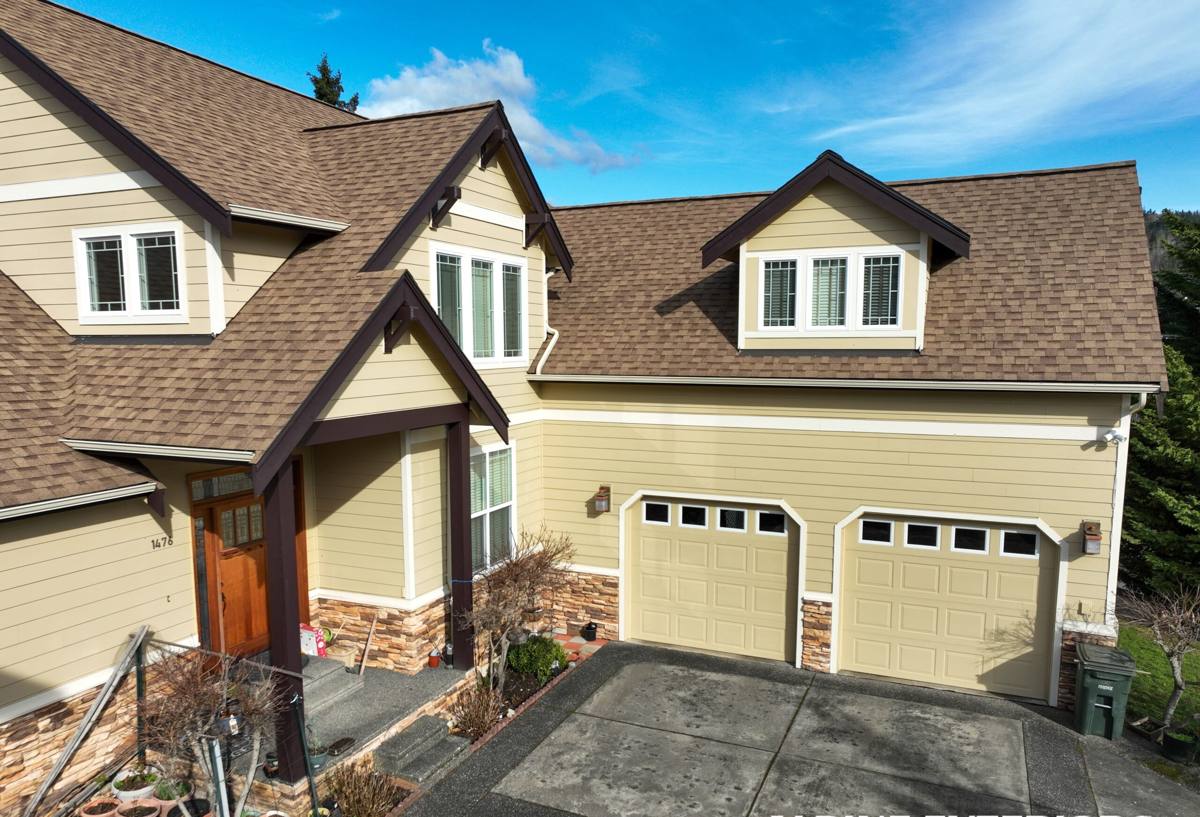
What Sarasota's Climate Actually Does to a Deck
Composite decking exists in large part because of climates like this one. Southwest Florida is hard on any exterior building material, and a deck sits closer to the ground, closer to sprinklers and standing moisture, and more directly under the sun than most other parts of a house.
Intense, Year-Round UV
Sarasota doesn't get a winter break from sun exposure. UV breaks down the lignin in real wood fibers, which is why unsealed or infrequently maintained wood decking grays, splinters, and goes soft at the surface faster here than it would farther north. Composite boards are engineered with UV inhibitors and, in capped products, a protective outer shell specifically to slow that fading and surface breakdown.
Salt Air
Gulf Gate Estates isn't right on the beach, but Sarasota's coastal air carries salt further inland than most homeowners expect. Salt-laden moisture accelerates corrosion on any exposed metal — fasteners, brackets, railing hardware — long before it does visible damage to the decking surface itself. This is why hardware selection matters as much as board selection.
Wind-Driven Rain
Florida storms rarely come straight down. Wind-driven rain gets pushed sideways and upward into gaps, end cuts, and fastener holes that a calmer climate would never stress-test. Any decking system that isn't detailed for wind-driven rain — proper board spacing, sealed end cuts, correct flashing at the house connection — will trap moisture in the substructure even if the surface boards themselves are moisture-resistant.
Hurricane-Force Winds
Decks attached to the house, along with their railings and stair connections, have to survive uplift and lateral loads during tropical storms and hurricanes. This is a structural issue, not a decking-material issue — the ledger attachment, joist hangers, post bases, and railing posts all have to be engineered and fastened for wind loads, regardless of what decking surface sits on top.
Composite Decking vs. Other Materials for This Climate
There's no single "best" decking material for every homeowner — it depends on budget, maintenance tolerance, and how the deck will be used. Here's an honest comparison for Sarasota conditions specifically.
| Material | Maintenance | Moisture/Salt Air Behavior | Typical Lifespan Here |
|---|---|---|---|
| Pressure-treated wood | Annual sealing/staining recommended | Absorbs moisture, prone to warping and splitting under UV and humidity cycles | Shorter without diligent upkeep |
| Uncapped composite | Low, occasional cleaning | Resistant to rot, but surface can absorb some moisture and stain over time | Long, with some surface aging |
| Capped composite | Minimal — soap and water | Protective shell resists staining, fading, and moisture absorption | Longest of the wood/composite options |
| PVC / vinyl decking | Minimal | Fully moisture-resistant surface, different look and feel than wood-grain composite | Long, different expansion behavior in heat |
We install composite decking as our standard recommendation for most Gulf Gate Estates homeowners because it strikes the right balance for this climate: it doesn't need annual sealing, it holds up to humidity swings better than real wood, and modern capped boards handle UV and salt air better than uncapped products. That said, our job is to lay out the real trade-offs — not to talk every homeowner into the same product regardless of budget or preference.
What a Correct Composite Deck Installation Actually Involves
Composite boards are only as good as what's underneath and holding them together. A lot of the failures we get called out to inspect on older decks trace back to the substructure or fasteners, not the decking surface itself.
Substructure and Framing
Joists and beams need to be sized and spaced correctly for the specific composite board being installed — composite has different span requirements than wood, and manufacturers publish exact joist-spacing tables that have to be followed for the warranty to hold and for the deck to feel solid underfoot, not springy.
Ledger Attachment and Flashing
Where a deck attaches to the house is the single most important connection on the entire structure — it's what transfers load back into the building and it's the spot most vulnerable to wind-driven rain intrusion if flashed incorrectly. Proper flashing directs water away from the house framing instead of letting it wick behind siding or into the rim joist.
Fasteners and Hardware
Given how far salt air travels inland in Sarasota County, we treat corrosion-resistant, coated fasteners and stainless or coated structural hardware as standard, not an upgrade. Mixing incompatible metals, or using standard fasteners because they're on hand, is how hardware starts failing well before the decking surface shows any wear.
Ventilation Underneath
Composite decking doesn't rot, but the framing underneath it usually is still wood, and trapped moisture and poor airflow under a low deck accelerates decay in that structure. Correct grading, gapping, and skirting design keep air moving instead of trapping humidity against the joists.
Board Layout and Hidden Fastening
Consistent board gapping accounts for thermal expansion in Florida's heat swings and helps water shed instead of pool on the surface. Hidden fastener systems keep the surface free of exposed screw heads, which matters both for appearance and because every penetration through the board's protective cap is a potential weak point if not installed correctly.
Permitting and Code Considerations in Sarasota County
Most new decks and significant deck rebuilds in Sarasota County require a building permit, and structural elements — footings, framing, guardrails, and stair geometry — get inspected against Florida Building Code wind-load and safety requirements. This isn't paperwork for its own sake: it's the mechanism that makes sure a deck's structure was actually engineered for regional wind exposure, not just built to look right.
We handle permitting and inspection scheduling as part of the job rather than leaving it to the homeowner, and we build to pass inspection the first time — not to the bare minimum a plan reviewer might catch.
Our Process, From Estimate to Finished Deck
- On-site visit and assessment — we look at the existing structure (if replacing a deck), grading, drainage, sun exposure, and how the space is actually used.
- Material and layout discussion — honest walkthrough of composite board options, railing systems, and any structural upgrades needed for the substructure.
- Written proposal — scope, materials, and timeline in plain language, no vague allowances.
- Permitting — we pull the required permits and coordinate inspections through Sarasota County.
- Demolition and structural work — old decking removed if applicable, framing repaired or built to current span and fastening standards.
- Decking, railing, and hardware installation — following manufacturer spacing and fastening specs to keep the product warranty intact.
- Final walkthrough — we go over the finished deck with the homeowner and cover basic care before we consider the job done.
Maintaining a Composite Deck in Southwest Florida
Composite decking is low-maintenance compared to wood, but "low-maintenance" doesn't mean "no maintenance" — especially in a climate this humid and sun-heavy. A little routine care goes a long way toward getting the full lifespan out of the boards and hardware.
- Sweep off leaves, pine needles, and organic debris regularly — trapped organic matter can cause surface staining and holds moisture against the board.
- Wash the surface with soap and water (or a manufacturer-approved composite cleaner) a few times a year to remove pollen, mildew film, and salt residue.
- Rinse off sunscreen, fertilizer, and pool chemical splashes promptly — some can stain composite surfaces if left to sit.
- Check railing posts and stair connections annually for looseness — wind and temperature cycling can work fasteners over time.
- Keep gutters and downspouts near the deck clear so runoff isn't dumping directly onto or under the structure.
- Avoid pressure-washing at close range or high PSI on composite surfaces — it can etch or roughen the cap layer.
Why a Crew That Already Works Gulf Gate Estates Matters
Decking work isn't exotic, but local conditions still change how a job should be built. A crew that regularly works in Gulf Gate Estates and the surrounding Sarasota area already knows the county's permitting process, the inspectors' expectations, the wind-load requirements that apply here, and the practical realities of building in a climate with intense UV, salt-laden air, and hurricane exposure. That familiarity shows up in fewer surprises during permitting, fewer callbacks for hardware corrosion or flashing issues, and a deck that's actually built for the conditions it has to survive — not a generic install dropped into a demanding climate.
If you're considering a new composite deck, a rebuild, or want a second opinion on an existing deck's condition, we're happy to take a look and put together a straightforward, no-pressure estimate — just fill out the form below.