 Sarasota Siding
 Building a Deck That Actually Belongs on a Barrier Island
Longboat Key sits out on a narrow strip of land between the Gulf of Mexico and Sarasota Bay, and that location changes what a deck needs to survive. A deck built the same way you'd build one twenty miles inland will show problems within a few years out here — loose fasteners, cupped boards, chalky or peeling finishes, and rust bleeding through paint. None of that is bad luck. It's the predictable result of using inland-grade materials and methods in a coastal environment that doesn't forgive shortcuts.
We build decks for homeowners across Sarasota County, and the barrier island properties get a different specification than a deck three miles inland in downtown Sarasota. Same trade, same crew, but different hardware, different fastener coatings, and different attention to airflow and drainage underneath the structure. This page walks through what that actually means for a Longboat Key project, from the ground up.
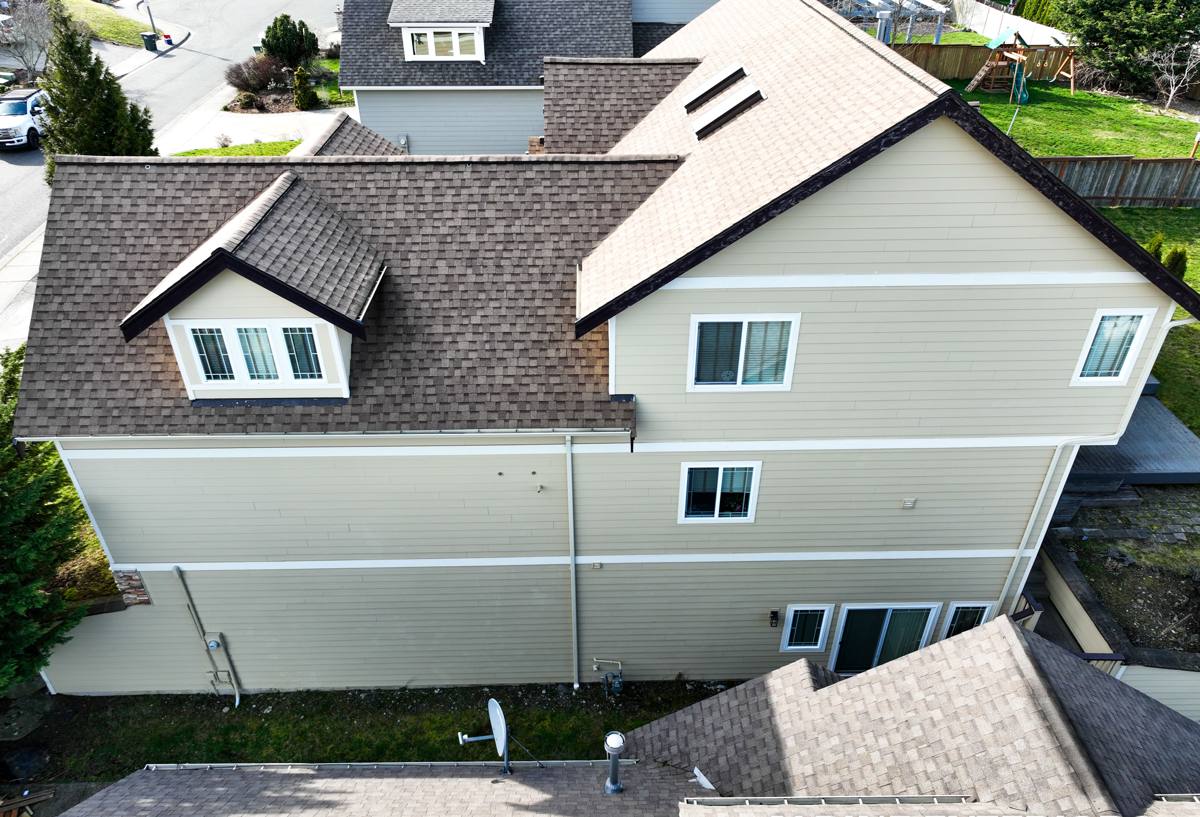
What the Climate Does to an Ordinary Deck
Four things work against outdoor structures here, and they work on your deck every single day, not just during storms:
- Salt air corrosion — airborne salt from the Gulf and the bay accelerates rust on any fastener, bracket, or connector that isn't rated for coastal exposure. Standard interior-grade or even generic exterior screws can start bleeding rust stains within a season or two.
- Intense, near-constant UV — Florida sun breaks down wood fibers, dries out natural oils, and fades or chalks composite and PVC surfaces faster than it would in a milder climate. UV exposure here is closer to year-round than seasonal.
- Wind-driven rain — rain rarely falls straight down during a Gulf storm. It drives sideways under rail caps, into end-grain cuts, and behind ledger boards, which is exactly where rot and hidden water damage start.
- Hurricane-force wind loads — even outside of a named storm, sustained coastal wind puts real lateral and uplift stress on railings, stair stringers, and the connection between the deck and the house. That connection has to be engineered for it, not just nailed together.
None of these problems are dramatic on their own. They're cumulative. A deck that looks fine after year one can be showing real structural weakness by year four if it wasn't built for this specific environment.
What a Correctly Built Longboat Key Deck Includes
"Correct" isn't about upgrading everything to the most expensive option. It's about matching each component to the job it actually has to do in this climate.
Fasteners and Hardware
This is the single most common corner cut on coastal decks, and it's the one that causes the most damage later. We use stainless steel or coastal-rated, heavily coated fasteners and structural connectors throughout — not just at the visible surface, but in the joist hangers, post bases, and structural screws that never get seen once the decking goes down. A rusted-out hidden bracket is a bigger safety problem than a stained deck board, and it's invisible until it fails.
Framing and Ledger Attachment
The ledger board — where the deck attaches to the house — is the most critical structural connection on the whole project, and it's also the spot most exposed to wind-driven rain intrusion behind the siding. Proper flashing, spacing off the wall for drainage and airflow, and correctly sized structural fasteners at that connection matter more here than almost anywhere else on the build.
Post Bases and Footings
Ground contact posts need footings sized for the soil and elevation on your specific lot, with post bases that keep wood off standing water and away from direct ground contact. On barrier island properties, drainage patterns and water table depth can vary block to block, which is one more reason a generic, one-size approach doesn't hold up.
Airflow Underneath
A deck built low and tight to the ground with poor ventilation underneath traps moisture against the framing. We plan for airflow beneath the structure so wood framing and the undersides of boards can actually dry out between rain events instead of staying damp.
Choosing a Decking Material for This Environment
There's no single "right" material for every homeowner — it depends on budget, maintenance appetite, and how the deck will be used. Here's how the common options actually perform under Longboat Key conditions specifically.
| Material | Coastal Performance | Maintenance | Trade-offs |
|---|---|---|---|
| Pressure-treated wood | Fair — needs consistent sealing to resist salt and UV | High — annual cleaning and resealing | Lowest upfront cost, shortest realistic lifespan without upkeep |
| Tropical hardwood | Good — naturally dense and rot-resistant | Moderate — periodic oiling to maintain color and moisture resistance | Higher material cost, installation is less forgiving |
| Composite decking | Very good — engineered for moisture and UV exposure | Low — periodic washing, no sealing or staining | Higher upfront cost, surface can still fade over many years of Florida sun |
| PVC/capped decking | Excellent — fully moisture-sealed surface, strong salt-air track record | Lowest — wash only | Highest upfront cost of the group |
We'll walk you through this decision honestly during your estimate rather than steering you toward whatever has the best margin. A wood deck that gets properly maintained every year can be a smart, budget-conscious choice. A composite or PVC deck installed with poor drainage detailing underneath can still develop problems, no matter how good the surface material is. The material matters less than the installation underneath it.
How the Project Actually Comes Together
Every Longboat Key deck project follows the same basic sequence, though the details shift based on your home's elevation, existing structure, and how the space will be used.
- On-site assessment. We walk the property, look at grade and drainage, check the wall where the ledger will attach, and talk through how you actually want to use the space — dining, lounging, pool access, grilling.
- Design and material selection. We size the deck, plan the layout, and go over material and hardware options with real numbers, not vague estimates.
- Permitting. Deck construction in Sarasota County and on Longboat Key generally requires a building permit, and larger or elevated structures may also involve setback and wind-load review. We handle this process rather than leaving it to you.
- Demolition or site prep. If we're replacing an existing structure, we remove it and inspect the ledger wall and footings underneath before building new.
- Framing. Footings, posts, beams, and joists go in first, built to the structural spec for this location — not a generic inland spec.
- Decking, railing, and stairs. Surface material goes down, followed by code-compliant railing and any stairs, with coastal-rated fasteners throughout.
- Final walkthrough and inspection. We review the finished deck with you and coordinate any required final inspection sign-off.
Permitting and Code Considerations Specific to This Area
Sarasota County and the Town of Longboat Key both regulate deck construction, and barrier island properties often carry additional considerations around setbacks, flood zone elevation requirements, and wind-load standards tied to coastal construction codes. Requirements can also differ depending on where exactly your property sits and its flood zone designation. Rather than treating permitting as an afterthought, we build it into the front end of the project so there are no surprises — and no risk of a deck getting flagged during a future home sale because it was built without proper permits or sign-off.
Cost Factors Worth Understanding Upfront
We don't publish fixed prices because every property and every design is different, but these are the main factors that move the number:
| Factor | Why It Matters |
|---|---|
| Size and shape | Square footage and layout complexity (multiple levels, angles, curves) both drive labor and material cost. |
| Height and access | Elevated decks and decks over difficult ground require more substantial framing and footings. |
| Material selection | Wood, composite, and PVC decking carry different material costs, as outlined in the comparison above. |
| Railing and stairs | Code-required railing height, baluster spacing, and stair configuration add material and labor. |
| Existing structure | Replacing an old deck versus building new affects demolition and site prep scope. |
| Permitting requirements | Setback, flood zone, and wind-load review can affect design constraints and timeline. |
We'll give you a clear, itemized estimate before any work starts, so you know exactly what you're paying for and why.
Keeping a Longboat Key Deck in Good Shape Long-Term
The build quality determines how much maintenance a deck needs, but every deck out here benefits from a basic seasonal routine:
- Rinse off salt residue and debris regularly, especially after storms with wind off the Gulf
- Check railing posts and stair connections for looseness at least once or twice a year
- Inspect fasteners and hardware for early rust staining, which signals a fastener that needs attention before it fails
- Reseal or oil wood decking on the schedule appropriate to that wood species — don't wait until it looks dry and gray
- Keep the area underneath the deck clear of debris and vegetation so airflow and drainage aren't blocked
- Watch for soft spots or discoloration near the ledger board, which can indicate water intrusion behind the house wall
A few minutes of seasonal attention catches small issues while they're cheap to fix, instead of letting them turn into structural repairs.
Why It Matters to Hire a Crew That Already Works This Island
Longboat Key isn't a typical build site. Access can be tighter than mainland properties, HOA or condo association requirements sometimes apply depending on where you're located, and the permitting process has its own local wrinkles compared to inland Sarasota County jobs. A contractor who's already navigated that process, already knows which fastener specs hold up out here, and already understands how to sequence a project around barrier island logistics is going to deliver a smoother project and a longer-lasting deck than a crew learning those lessons for the first time on your property.
We're not saying every inland contractor does bad work — we're saying coastal construction has a learning curve, and that curve gets paid for by the deck itself if the crew hasn't already climbed it. Salt air and hurricane-force wind loads don't leave much room for a first attempt.
Ready to Talk Through Your Project?
If you're considering a new deck or replacing one that's showing its age, we'll come take a look, talk through what your property and budget actually call for, and give you a straightforward estimate — no pressure, no upsell script. Use the form below to request your free estimate.