 Sarasota Siding
 Building Decks for One of Sarasota's Oldest Walkable Neighborhoods
Southside Village sits close to Sarasota Bay, under a canopy of mature oak trees, in a mix of older bungalows and updated homes that predate a lot of the newer construction standards used across the rest of the county. That combination — coastal exposure, established tree cover, and older framing on many of the homes — changes how a deck should be designed and attached here compared to a newer subdivision further inland. We've built and repaired decks throughout this part of Sarasota, and the jobs that hold up are the ones planned around those specific conditions from day one, not retrofitted after a problem shows up.
This page covers what a deck in Southside Village actually needs to handle, what a properly built one involves, and how we approach the work.
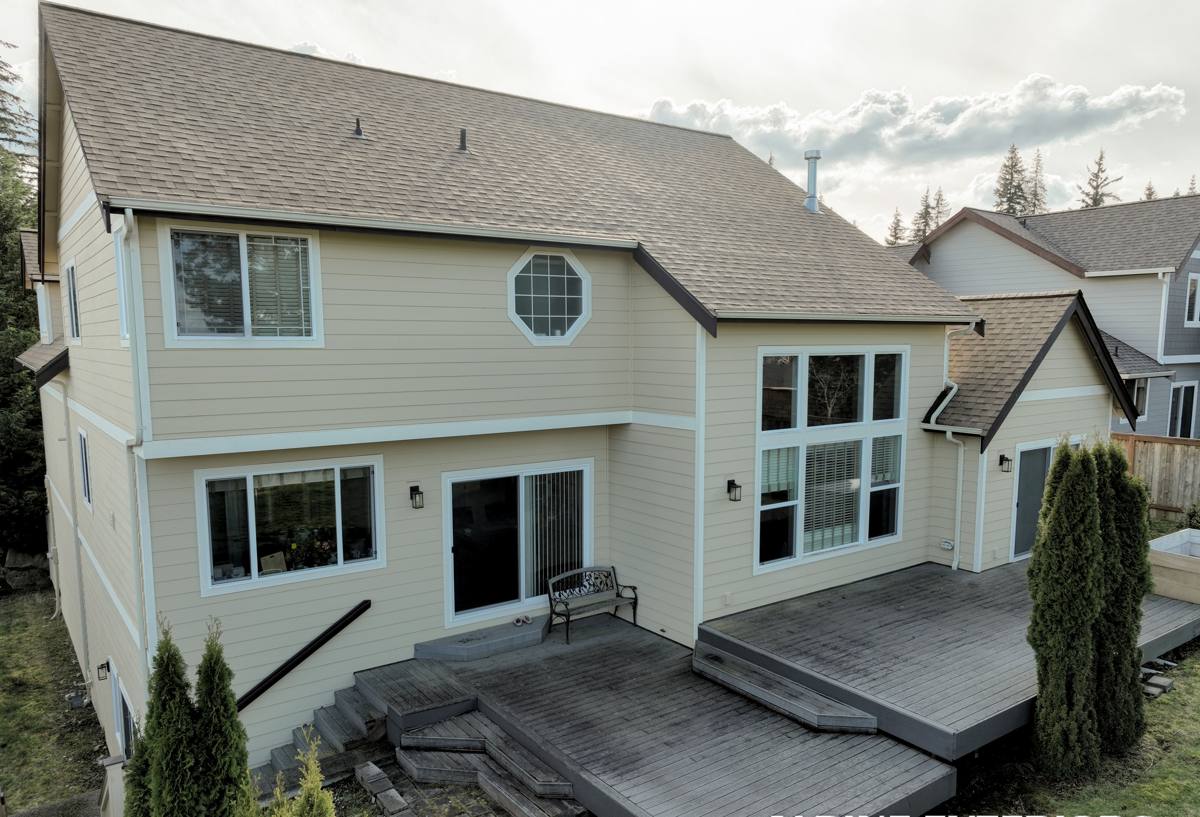
What Sarasota's Climate Does to an Outdoor Deck
Every deck we build on the Gulf Coast has to survive four things working against it at the same time, and Southside Village's proximity to the bay makes all four more aggressive than they'd be a few miles inland.
- Hurricane-force wind: Deck framing, railing posts, and ledger connections all need to resist uplift and lateral load, not just support foot traffic.
- Intense, year-round UV: Florida sun degrades wood fibers, fades finishes, and dries out sealants faster than in most of the country, which shows up as graying, cupping, and splitting if the wrong material or finish is used.
- Wind-driven rain: Storms here don't just fall straight down — rain gets driven sideways and underneath structures, which means flashing and drainage details matter more than they would in a drier climate.
- Salt air: Being close to the bay means airborne salt accelerates corrosion on fasteners, hardware, and metal railing components, even on decks that never see direct salt spray.
None of these factors are unique to Southside Village, but the neighborhood's closeness to the water and its tree canopy mean a deck here experiences more humidity, more shade-driven moisture retention, and more salt exposure than a comparable deck built further from Sarasota Bay.
Older Homes, Mature Trees: What's Different About This Neighborhood
Ledger Attachment on Older Framing
A deck is only as strong as what it's bolted to. In a neighborhood with a lot of older homes, the rim joist or wall framing a ledger board attaches to isn't always in the condition you'd find on a house built last year. Before we attach anything, we check the framing behind the siding for rot, insect damage, or undersized lumber, and we flash the ledger connection properly so wind-driven rain can't work its way behind it and start a slow moisture problem you won't see until it's serious.
Tree Canopy and Design
Mature oaks are one of the things that make this neighborhood pleasant to live in, but they also mean more leaf litter and shade on deck surfaces, which holds moisture longer after rain. That affects which decking material makes sense, how boards should be spaced for airflow, and sometimes how the deck footprint is laid out relative to root zones. If a tree needs to be worked around or a limb needs clearance, that's a design conversation we have with you up front, not something we discover mid-project.
Permits and Setbacks
Deck construction in the City of Sarasota requires a permit, inspections, and compliance with current Florida Building Code wind provisions — this isn't optional and it isn't a formality. Established neighborhoods like Southside Village can also have lot setback rules or deed restrictions tied to older platting. We pull permits, handle inspections, and check for any HOA or deed restriction issues before work starts, so you're not the one finding out about a problem after the deck is built.
Choosing the Right Decking Material for This Location
There's no single "best" decking material — the right choice depends on how much maintenance you want to do, your budget, and how much shade and moisture the deck will see. Here's how the common options compare for a Southside Village property:
| Material | Upfront Cost | Maintenance | Behavior in Shade/Humidity |
|---|---|---|---|
| Pressure-treated pine | Lowest | Needs regular sealing/staining | Prone to cupping and mildew if not resealed on schedule |
| Composite decking | Mid to high | Low — occasional cleaning | Resists moisture well; some early composites showed mold in deep shade, current capped composites handle it much better |
| PVC decking | High | Lowest | Fully moisture-resistant, good choice for deeply shaded, humid spots |
| Tropical hardwoods (e.g. ipe) | High | Moderate — periodic oiling to hold color | Naturally dense and rot-resistant, but needs correct fastening due to hardness |
For a shaded, humid lot near mature trees, we usually steer clients away from uncapped pressure-treated boards as the sole wear surface unless they're committed to a real sealing schedule, since the combination of shade and moisture is exactly what accelerates wood decay. Composite or PVC tends to be the lower-hassle answer for a heavily canopied yard; hardwood is a good option if you want a natural wood look and are willing to maintain it.
What a Correctly Built Deck Involves in This Climate
A deck that's just "built to code" and one that's built to actually last near the bay aren't always the same thing. Here's what we treat as non-negotiable:
- Footings sized and set to resist wind uplift, not just vertical load, per current Florida Building Code wind requirements for the area
- Stainless steel or coated, corrosion-rated fasteners and hardware throughout — standard galvanized fasteners can streak and weaken faster in salt-air conditions
- Ledger boards properly flashed with a moisture barrier between the ledger and the house structure
- Joist hangers and structural connectors rated for the actual span and load, not undersized to save cost
- Board spacing that allows for wood movement and airflow underneath, reducing trapped moisture
- Railing systems engineered to current code, since older decks in the area were often built under looser or outdated requirements
- Drainage planning so water sheds away from the house foundation rather than pooling under the deck
Our Process for a Southside Village Deck Build
We keep the process straightforward because a deck project shouldn't feel complicated:
- On-site assessment: We look at the existing structure or ground conditions, the framing the deck will attach to, tree placement, and drainage before recommending anything.
- Design and material selection: We walk through material trade-offs honestly, based on your budget, how much sun or shade the spot gets, and how much upkeep you actually want to do.
- Permitting: We handle the City of Sarasota permit application and coordinate required inspections so you don't have to manage that process.
- Construction: Framing, fastening, flashing, and decking are installed to the standards above, with attention to how this specific lot's shade and moisture patterns will affect the finished deck over time.
- Final walkthrough: We go over the finished deck with you, including basic care so it holds up through hurricane season and beyond.
Maintaining a Deck in Sarasota's Salt Air and Humidity
Even a well-built deck needs some upkeep in this climate. A short seasonal routine goes a long way:
- Sweep leaf litter and organic debris off the deck surface regularly, especially under tree canopy where it collects
- Rinse salt residue off railings and hardware periodically if the deck is exposed to open air near the water
- Check fastener heads and connectors annually for early rust staining, which usually means a fastener issue worth catching early
- Reseal or restain wood decking on the schedule the product calls for — don't wait until it looks obviously weathered
- Inspect the ledger board area and any flashing after major storms for signs of water intrusion
Why It Matters That We Already Work in This Neighborhood
A contractor who hasn't worked in Southside Village before is starting from zero on things we already know: how the older framing in this part of Sarasota typically holds up, where drainage tends to be a problem given the tree cover, and what the City's permitting process actually expects on a deck submission. That familiarity translates into fewer surprises mid-project and a design that's suited to your specific lot rather than a generic template. We're also positioned to respond quickly if something needs attention after a storm, since we're already working in the area regularly.
If you're considering a new deck, a rebuild, or repairs to an existing one in Southside Village, we're happy to come take a look and give you a straightforward, no-pressure estimate — just fill out the form below.