 Sarasota Siding
 Why Ellenton Roofs Face a Tougher Environment Than Most
Ellenton sits inland from Tampa Bay in Manatee County, but "inland" doesn't mean sheltered. The community takes the same tropical sun, the same hurricane-season wind events, and enough proximity to the Gulf and Tampa Bay that salt-bearing air still reaches roofs here, especially during and after storms when wind pushes moist coastal air well past the shoreline. A roof over an Ellenton home is doing real work year-round, not just during the occasional bad afternoon.
That combination — hurricane-force wind, intense year-round UV, wind-driven rain, and salt air — wears out the wrong roofing system faster than most homeowners expect. This page covers what that climate actually does to a roof, why metal roofing holds up well against it, what a correct installation involves, and why hiring a crew that already works in Ellenton and the surrounding area matters more than it might seem.
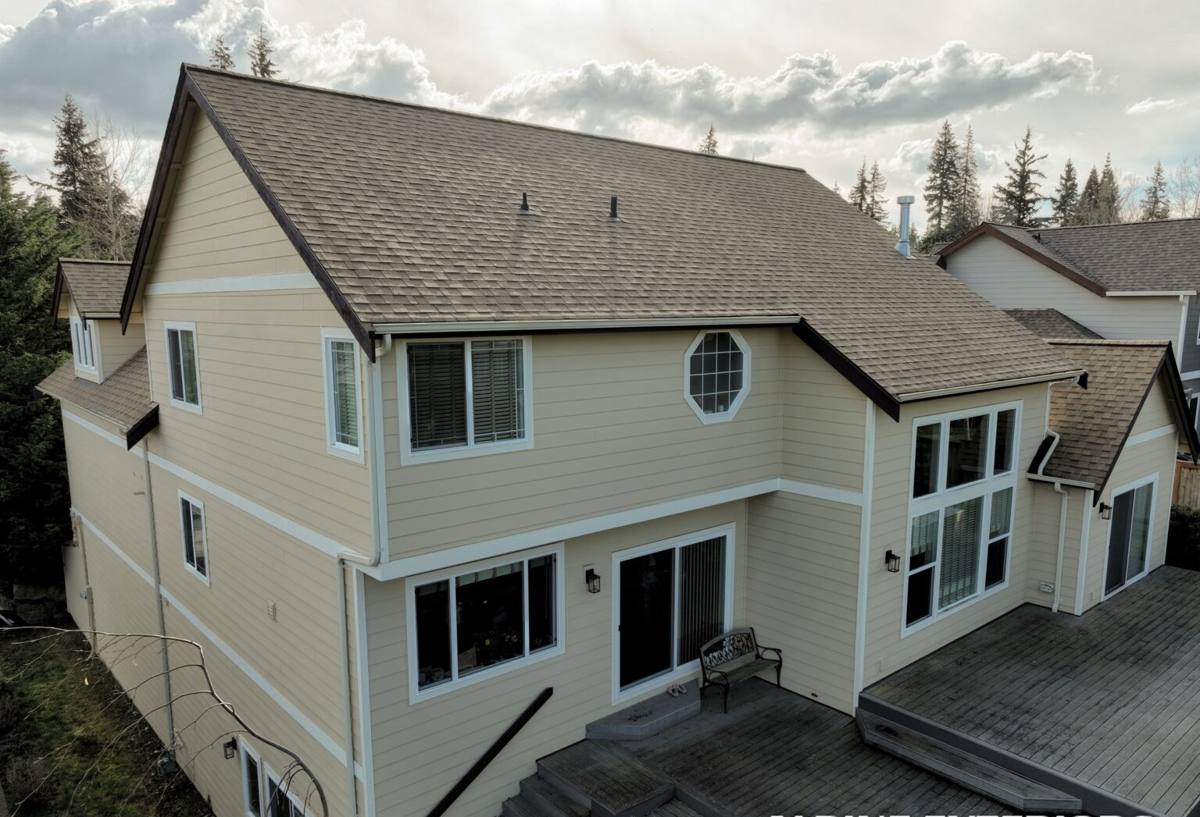
What This Climate Does to a Roof Over Time
Wind Uplift and Fastener Pull-Through
Florida's Building Code requires roofing systems to meet specific wind-load ratings, and Manatee County enforces those requirements closely because they're not theoretical here. Wind doesn't just push down on a roof — it creates uplift pressure at edges, ridges, and corners that tries to peel roofing material away from the deck. A roof that's fastened correctly for its rated wind speed stays put through most storms. One that's under-fastened, has the wrong fastener spacing, or uses a system not rated for local wind exposure is the roof that loses shingles, panels, or flashing first.
Year-Round UV Load
Central Florida gets more direct sun exposure across more months than almost anywhere else in the country. UV breaks down unprotected roofing materials from the surface in — degrading asphalt oils, fading and chalking coatings, and making some products brittle years before their rated lifespan is up. A roof here isn't dealing with a few intense summer months and a mild rest of the year; it's under near-constant UV load, which is part of why material choice matters as much as installation quality.
Wind-Driven Rain
Straight-down rain is easy for almost any roof to shed. Wind-driven rain during a tropical storm or hurricane gets pushed sideways and upward under laps, around penetrations, and into any gap a fastener or flashing detail leaves open. This is where installation quality separates a roof that stays dry from one that develops a slow leak nobody notices until there's staining on a ceiling. Underlayment, flashing, and lap details all matter more here than they would in a region with gentler storms.
Salt Air and Metal Corrosion
Ellenton isn't beachfront, but it's close enough to Tampa Bay and the Gulf that salt-laden air still reaches homes, particularly when onshore wind carries it inland during and after weather systems. Salt accelerates corrosion in exposed metal — fasteners, flashing, panel edges — and that corrosion is often invisible until it's already reduced the metal's strength. On a metal roof specifically, the coating and fastener grade determine how well the system resists that exposure over decades rather than years.
Why Metal Roofing Holds Up Well Against This Climate
Metal roofing isn't automatically immune to any of the above — a poorly specified or poorly installed metal roof can still fail in wind, corrode, or leak. But a correctly specified system has real structural advantages for a climate like this one:
- Panel and seam systems can be engineered and tested to wind-load ratings well above what asphalt shingle systems typically achieve, which matters directly for hurricane exposure
- Quality factory-applied coatings resist UV degradation and fading far longer than asphalt's granule surface, which loses protective oils and grit over time
- Metal sheds wind-driven rain effectively when laps, seams, and flashing are detailed correctly, since there are no granules to erode and fewer small gaps for water to find
- The right metal alloy and coating combination resists salt-air corrosion for decades, where standard fasteners or lower-grade steel would show rust within a handful of years
- A correctly installed metal roof typically carries a longer service life than asphalt shingles in this climate, which matters given how much sun and storm exposure a Florida roof accumulates
None of that is automatic, though. It depends entirely on which metal system, which coating, and which installation details go into the job — which is where the specifics below actually matter.
The Metal Roofing Options We Install
Standing Seam
Standing seam panels run vertically with raised, interlocking seams and no exposed fasteners on the visible surface — fasteners are hidden under the seam or in concealed clips. That means fewer penetration points for wind-driven rain to exploit and no exposed screw heads for salt air to attack over time. It's generally the strongest option against wind uplift and the longest-lived choice for a home taking direct coastal-influenced exposure, and it typically costs more than exposed-fastener systems as a result.
Metal Shingles and Stone-Coated Steel
These systems interlock in shingle-sized or shake-sized panels, giving a more traditional roof appearance while still carrying metal's wind and UV performance. They're a common choice for homeowners who want metal's durability without a fully industrial or modern look. Fastening and lap details still matter enormously here — the interlocking pattern only performs as designed when it's installed to the manufacturer's exact specification.
Exposed-Fastener Panels
This is the most economical metal roofing category — ribbed or corrugated panels fastened directly through the panel face with exposed screws. It can perform well when installed with correct fastener spacing, proper washers, and quality screws, but the exposed fasteners are the weak point over time in a salt-air environment, since they're the first thing to corrode and the seal at each screw is what eventually needs attention or replacement. We use this system where budget calls for it, but we're upfront that it carries more long-term maintenance than the alternatives.
| System | Wind Performance | Salt-Air Durability | Relative Cost |
|---|---|---|---|
| Standing seam | Excellent — hidden fasteners, fully interlocked seams | Very strong; minimal exposed metal to corrode | Higher |
| Metal shingles / stone-coated steel | Strong when installed to spec, with a traditional look | Strong with quality coatings and fasteners | Mid to higher |
| Exposed-fastener panels | Good when fastened correctly; more penetration points | Moderate — exposed fasteners are the first wear point | Lower |
What a Correct Metal Roof Installation Actually Involves
The panels get the attention, but most metal roof failures we see trace back to what's underneath or around them, not the panel material itself. A build done right for this climate includes:
- Wind-rated fastening pattern matched to the specific panel profile and the home's required wind rating under Florida Building Code
- High-temperature synthetic or self-adhered underlayment rated for the sustained heat a metal roof surface reaches in Florida sun
- Stainless steel or coated fasteners appropriate for the metal type, since mixing incompatible metals accelerates corrosion at every fastener point
- Correctly detailed flashing at every valley, penetration, wall intersection, and ridge, since these are the highest-risk spots for wind-driven rain intrusion
- Proper panel overlap and seam sealing sized to the manufacturer's specification, not a generalized industry default
- Ventilation detailing that lets the roof assembly manage heat and moisture instead of trapping it against the deck
- Galvanic compatibility checked between the panel, fasteners, flashing, and any adjacent materials like gutters
Skip any one of these and the roof can still look fine for a while. The problems that show up later — a leak that starts at a poorly flashed valley, corrosion blooming around the wrong fastener, panels that lift at the eave in a strong gust — almost always trace back to a detail that was rushed or skipped during installation, not a defect in the metal itself.
How Our Process Works
We start with a roof inspection to assess the existing deck condition, current roofing material, flashing points, and any signs of past leaks or storm damage. From there we walk through metal system options that fit the home's roof design, budget, and how long you plan to be in the house, since standing seam and exposed-fastener systems have genuinely different cost and lifespan profiles.
Manatee County requires permitting for roof replacement, and wind-load calculations and product approvals have to be documented and match what's actually installed. We handle that permitting and inspection process as part of the job. Once permitted, the work follows the sequence above — deck inspection and any needed repair first, then underlayment, then the metal system itself with flashing and penetrations detailed as we go, followed by a final inspection and a walkthrough so you understand what maintenance, if any, the specific system you chose needs going forward.
What to Expect After Installation
A correctly installed metal roof is genuinely low-maintenance, but "low" isn't "none." A little attention keeps it performing the way it's supposed to for decades:
- Rinse off salt residue, pollen, and debris periodically, especially after storms, so buildup doesn't sit against seams or fasteners
- Keep gutters and valleys clear so water moves off the roof the way it was designed to instead of pooling or backing up
- Have fastener heads and sealant points on exposed-fastener systems checked periodically, since these are the components most likely to need attention over time
- After any major wind event, have the roof looked at for lifted panels, loosened flashing, or debris impact, even if nothing is visibly wrong from the ground
- Trim back overhanging branches that can scratch coatings or drop debris into valleys and behind flashing
Why It Matters That We Already Work in Ellenton
A roofing crew that mostly works inland, milder-climate regions can still install a technically sound metal roof, but Manatee County's wind-load requirements, permitting process, and the practical realities of Gulf-influenced weather aren't things you want a contractor learning on your project. Working in Ellenton and the surrounding Sarasota County and Manatee County area regularly means we're not guessing at local code requirements, we know which fastener grades and coatings actually hold up against this specific combination of sun, wind, and salt exposure, and we've built to these standards on homes with the same climate exposure yours has.
That familiarity also means being straightforward with you — telling you plainly when a lower-cost exposed-fastener system makes sense for your budget and when it doesn't, and not overselling a premium system your home and roof design don't actually need.
Get a Straight Answer About Your Roof
Whether you're replacing storm-damaged roofing, planning ahead of hurricane season, or just want an honest read on what a metal roof would take on your Ellenton home, we're glad to walk the roof with you and lay out the options plainly, no pressure attached. Reach out below for a free estimate.