 Sarasota Siding
 Roof Repair in Ellenton: Built for Gulf Coast Weather, Not Just Any Weather
Homes in Ellenton sit in one of the more demanding roofing climates in the country. It's not one thing that wears a roof down here — it's the combination. Intense, near-daily UV exposure bakes shingles and breaks down sealants faster than in most parts of the country. Wind-driven rain during summer storms and hurricane season finds every weak seam, loose flashing point, and aging pipe boot. Salt air drifting in off the Gulf accelerates corrosion on metal fasteners, vents, and flashing. And hurricane-force gusts test every nail, clip, and shingle tab on the roof at once, usually at the worst possible time.
A roof repair done for this area needs to account for all of that at once, not just patch the spot that's leaking today. That's the difference between a repair that lasts a few years and one that lasts until the roof's natural end of life.
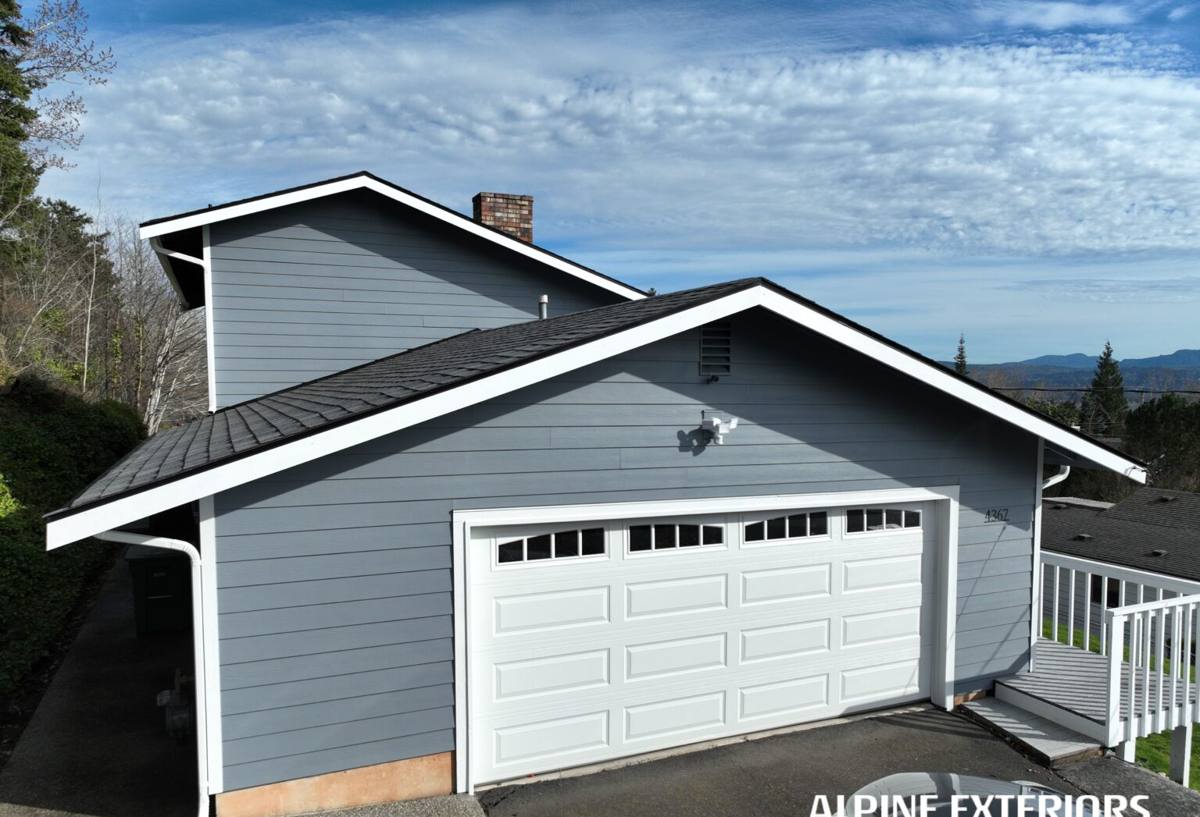
Signs an Ellenton Roof Needs Repair Now, Not Later
Roof problems in this climate rarely announce themselves clearly. Most homeowners don't get a dramatic leak — they get small, easy-to-dismiss signs that build up over months. Worth taking seriously if you notice:
- Granules collecting in gutters or at downspout outlets (a sign shingles are past their UV-resistant life)
- A stain on a ceiling or ceiling corner that appears after heavy wind-driven rain, not just any rain
- Curling, cracking, or lifted shingle edges, especially on the roof's south and west-facing slopes
- Rust streaks below metal flashing, vents, or valleys
- Soft spots underfoot in the attic decking near a chimney, skylight, or vent penetration
- Missing or visibly lifted shingles after a storm, even if no leak has shown up yet
- Daylight visible through the roof deck when viewed from inside the attic
Any one of these is worth a look. Several at once usually means the roof has more going on than a single bad shingle.
Why Small Leaks Matter More Here Than Elsewhere
In a drier, cooler climate, a small leak might sit for a season before it causes real damage. In Sarasota-area humidity, trapped moisture in a roof deck or attic starts supporting mold and wood rot much faster. A repair that would be routine if caught early can turn into deck replacement and interior drywall work if it sits through even one more rainy season.
What a Correct Roof Repair Actually Involves
A roof repair that holds up isn't just about covering the spot where water is coming through. It's about identifying why water got in and fixing every failure point along that path. That typically means:
- Diagnosis first. Water often travels along the underlayment or decking before it shows up on a ceiling, so the visible stain isn't always directly below the actual entry point.
- Removing damaged material fully. Cutting out compromised shingles, underlayment, or decking rather than layering new material over wet or rotted material.
- Flashing done right. Most leaks trace back to flashing — around chimneys, skylights, walls, and roof-to-wall transitions — not to the field shingles themselves.
- Matching materials correctly. Using compatible underlayment, fasteners, and sealants so the repair doesn't create a second weak point where old and new materials meet.
- Sealing penetrations. Pipe boots, vent collars, and fastener heads are common failure points after years of UV exposure and should be checked, not assumed fine.
Common Roof Repair Work We Handle in Ellenton
| Repair Type | Typical Cause | What's Involved |
|---|---|---|
| Storm damage repair | High wind lifting or tearing shingles/tile | Removing damaged material, checking decking, replacing with matched material |
| Flashing repair | Age, corrosion, or improper original installation | Re-flashing chimneys, walls, valleys, and skylights |
| Leak tracing and patch | Aging underlayment or failed sealant at penetrations | Locating the true entry point, removing wet material, resealing correctly |
| Pipe boot and vent repair | UV breakdown of rubber/plastic collars | Replacing boots and collars, checking surrounding shingles |
| Soft deck section repair | Long-term undetected moisture intrusion | Cutting out and replacing rotted decking before re-roofing that section |
Repair or Replace? How to Think About It Honestly
Not every roof problem needs a full replacement, and not every repair is the right long-term call. The honest answer depends on the roof's age, how widespread the damage is, and how many prior repairs it's already had.
| Factor | Repair Usually Makes Sense | Replacement Usually Makes Sense |
|---|---|---|
| Roof age | Well within its expected service life | Near or past the material's typical lifespan |
| Damage extent | Isolated to one area or penetration | Spread across multiple slopes or repeated leak points |
| Repair history | First or second repair on this roof | Third or more repair, or recurring leaks in different spots |
| Decking condition | Solid, dry decking underneath | Soft, delaminated, or rotted decking found during inspection |
| Insurance/storm claim | Damage limited and clearly repairable | Damage extensive enough that full replacement is more cost-effective long term |
We'll always tell you honestly which category your roof falls into rather than defaulting to the bigger job.
Our Roof Repair Process
- Inspection. We look at the roof from the ground, on the roof itself when safe to do so, and in the attic where visible, tracing suspected leak paths rather than guessing from the interior stain location.
- Written scope and estimate. You get a clear explanation of what's actually wrong and what the repair will involve, with no pressure to upsell into a full replacement unless that's genuinely the better call.
- Material matching. We source shingles, tile, or metal components that match your existing roof as closely as possible so the repair doesn't stand out or create a mismatched weak seam.
- The repair itself. Damaged material removed, decking checked and repaired if needed, flashing redone where applicable, and new material installed and sealed correctly.
- Cleanup and final check. Site cleared of debris and nails, and the repair area reviewed before we consider the job done.
Materials and Why Some Choices Age Better Here
Not all roofing and repair materials perform the same way under year-round Gulf Coast sun and salt exposure. Standard 3-tab shingles are the most affordable option but tend to show UV wear and wind lift sooner than heavier architectural shingles, which is why many repair jobs on older 3-tab roofs are addressing wear that's simply arrived earlier than expected. Metal flashing and fasteners matter just as much as the shingles themselves — in a salt-air environment, lower-grade or improperly coated metal components corrode faster and become a repeat source of leaks even when the surrounding shingles are fine.
Where a repair calls for sealant or adhesive products, we favor ones rated for sustained high heat and UV exposure rather than general-purpose products, since standard sealants can dry out and crack within a season or two in this climate. These are professional-standard choices based on how materials actually hold up here, not a knock on any particular brand.
Why Hiring a Crew That Already Works in Ellenton Matters
Roofing work in this part of Florida runs into specifics that an out-of-area crew may not be tuned to: local wind-mitigation and building code requirements that affect how repairs need to be fastened and flashed, the HOA or permitting expectations that come up in some Sarasota-area communities, and the simple fact that homes here have already been through repeated hurricane seasons and salt exposure that shape what actually fails first. A crew that regularly works in and around Ellenton has seen how local roofs age in real conditions, not just in a manufacturer's spec sheet. That translates into faster, more accurate diagnosis and repairs that account for what's likely to fail next, not just what's failing today.
It also matters for response time after a storm. When wind damage hits a neighborhood, having a local crew that can get to your roof, get it inspected, and get a temporary or permanent repair done quickly limits how much interior damage a small roof breach turns into.
Keeping a Repaired Roof in Good Shape
A correct repair buys you time, but a few habits extend it further:
- Have the roof looked at after any major wind or hail event, even if you don't see an obvious problem from the ground
- Keep gutters and downspouts clear so water isn't backing up under the roof edge
- Trim back overhanging branches that drop debris or create shade that keeps sections of the roof damp longer
- Check the attic occasionally for musty smells, staining, or daylight through the decking
- Don't ignore a small stain — get it looked at before the next rainy season, not after
If you're dealing with a leak, storm damage, or just want an honest read on a roof that's showing its age, we're happy to take a look. We offer free, no-pressure estimates for roof repair work in Ellenton and the surrounding Sarasota area — use the form below to get started.