 Sarasota Siding
 Roofing Built for Ellenton's Weather, Not Just Any Weather
A roof in Ellenton doesn't have the same job as a roof in a mild inland climate. It has to survive hurricane-force wind gusts, sit under some of the most intense year-round UV exposure in the country, take wind-driven rain sideways during summer storms, and hold up against the slow corrosive effect of salt air rolling in off the Gulf. Any one of those on its own is manageable. All four working on a roof at the same time, year after year, is what actually wears a roof down and turns small storm damage into a bigger problem if it's ignored or repaired incorrectly.
That's the lens we bring to every storm damage repair call in the Ellenton area: not just "patch the hole," but figure out what the storm actually did to the roof system — the shingles or panels, the underlayment, the flashing, the decking underneath — and repair it in a way that holds up through the next storm, not just looks fixed for a season.
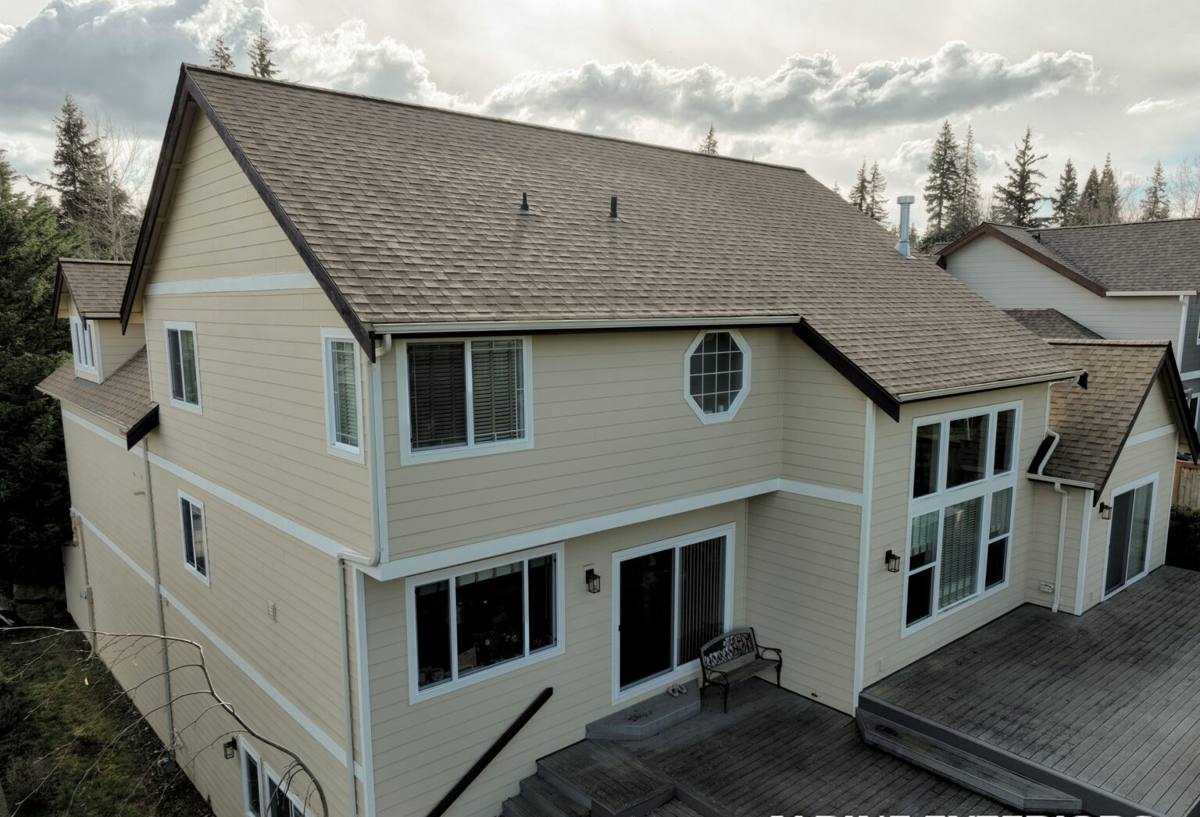
What Storm Damage Actually Looks Like on a Florida Roof
Storm damage isn't always a dramatic hole or a pile of shingles in the yard. Some of the most costly damage is the kind a homeowner never notices from the ground.
Visible Damage
- Missing, cracked, or curled shingles after high wind
- Lifted or torn tile (on tile roofs) from gust uplift
- Dented or creased metal panels from wind-driven debris
- Torn or lifted flashing around chimneys, vents, and roof-to-wall transitions
- Visible granule loss showing bare, shiny patches on shingles
Hidden Damage
This is the category that causes the most expensive repairs down the road. Wind can lift a shingle or tile just enough to break its seal without fully detaching it, which lets wind-driven rain work underneath during the next storm. Fastener holes from lifted material can leave the underlayment exposed. A cracked pipe boot or a flashing seam that opened a fraction of an inch may not leak on a light rain but will leak hard in a sideways storm. None of this shows up as an obvious problem — it shows up later as a stain on a ceiling, or as rotted decking discovered when the repair crew pulls back the covering.
Because of that, a real storm damage inspection has to go past "does it look okay from the driveway" and actually check the roof surface, flashings, and — where accessible — the attic or ceiling for early signs of moisture intrusion.
What a Correct Storm Damage Repair Involves
Storm repair done right isn't just replacing what's obviously missing. It means restoring the roof as a system, since a roof only sheds water correctly when every layer is doing its job together.
Matching the Existing System
Replacement shingles, tiles, or panels need to match the existing roof in profile, weight, and where possible, color and manufacturer line — mismatched material creates uneven wear patterns and can void warranty coverage on the surrounding roof.
Underlayment and Decking
If wind lifted enough material to expose the underlayment, or if water reached the decking, that layer gets addressed too — not just covered back over. Wet or delaminated decking has to be dried out or replaced before new roofing goes down on top of it, or the repair will fail from underneath regardless of how well the surface looks.
Flashing and Fastening to Current Wind Standards
Florida's building code has specific requirements for fastening patterns and flashing details in high-wind zones, and those requirements have gotten stricter over the years. A storm repair is a good opportunity to bring the repaired section up to current wind-resistance standards, even if the rest of the roof was installed under an older code — that section is often the first place to fail in the next storm if it isn't done to current standards.
Sealing Against Wind-Driven Rain
Ordinary rain falls straight down. Storm rain in this part of Florida comes in sideways. That means flashing laps, pipe boots, and transition points need to be sealed and lapped correctly for horizontal water intrusion, not just vertical runoff — a detail that's easy to get wrong if a crew is used to repairing roofs in a less storm-driven climate.
Our Process for Ellenton Storm Repair Calls
- Inspection and documentation. We walk the roof (or use a safe vantage point when conditions don't allow foot traffic), photograph the damage, and check for both surface and hidden issues, including attic access where available.
- Temporary protection when needed. If there's active exposure — missing material, an open flashing seam, exposed decking — we get the roof dried in and protected first so a follow-up storm doesn't turn a repair into a full interior loss.
- A clear repair plan. We explain what's damaged, what needs to be replaced versus what can be resealed or reset, and give you a straightforward scope and price before work starts.
- The repair itself. Matching materials, correct fastening, proper flashing and sealing, and decking work if the storm reached that far.
- Final check. We confirm the repair sheds water correctly and that surrounding areas weren't disturbed or left vulnerable during the work.
Repair or Replace? Honest Factors to Weigh
Not every storm-damaged roof needs to be replaced, and not every roof that looks fine after a storm should be left alone. The right call depends on a few factors:
| Factor | Leans Toward Repair | Leans Toward Replacement |
|---|---|---|
| Roof age | Roof is well within its expected service life | Roof was already near or past typical replacement age |
| Extent of damage | Damage is localized to one section or slope | Damage is spread across multiple areas or slopes |
| Underlayment/decking condition | Underlying layers are dry and sound | Widespread moisture damage found under the surface |
| Material availability | Matching material is still available | Discontinued product with no close match |
| Storm frequency going forward | Isolated event, roof otherwise healthy | Pattern of repeated storm damage on an aging roof |
We'll tell you honestly which side of that table your roof falls on. There's no benefit to us in talking a homeowner into a full replacement when a proper repair will hold, and there's no benefit to patching a roof that's going to keep failing every storm season.
Working With Insurance on Storm Claims
Most storm damage repairs in this area involve an insurance claim, and the documentation from the initial inspection matters. We photograph damage before any repair work begins, note the likely cause (wind, wind-driven rain, impact), and provide a written scope that an adjuster can reference. What we won't do is inflate a scope of work or claim damage that isn't there — that approach causes more claim denials and disputes than it solves, and it's not how we want to be known in this community. A clean, accurate, well-documented claim is the fastest path to getting a repair approved and completed.
Why Hiring a Crew That Already Works in Ellenton Matters
Storm damage repair isn't the place for a contractor learning your area's building requirements on the job. A crew that regularly works Ellenton and the surrounding Sarasota-area communities already knows the wind-zone requirements that apply to local permitting, has relationships with suppliers who stock materials that match what's already on most area roofs, and understands how quickly a small storm repair job needs to move before the next system rolls through.
What to Check Before Hiring
- Proper Florida contractor licensing and insurance — ask to see it, not just hear about it
- A written scope of work and price before any repair begins
- Willingness to document damage clearly for an insurance claim, without exaggerating it
- Knowledge of current local wind-mitigation and fastening requirements
- A real local presence — not a storm-chasing crew that showed up after the weather event and will be gone before the warranty matters
- Straight answers about repair versus replacement, not an automatic push toward the bigger job
That last point is worth taking seriously after any significant storm. Areas that get hit by named storms or severe wind events also tend to see a wave of out-of-town crews going door to door. Some are legitimate. Many are gone by the time a warranty claim or a follow-up leak needs attention. A local roof repair should come from someone who'll still be answering the phone next hurricane season.
Reducing Future Storm Damage
A repair is also a chance to make the roof more resilient going forward, not just restored to its pre-storm condition.
After the Repair
- Keep gutters and downspouts clear so wind-driven rain has somewhere to drain instead of backing up under roofing material
- Trim back overhanging branches that can drop debris or scrape roofing surfaces in high wind
- Schedule a roof check after any severe storm, even if there's no visible leak — catching a lifted seal early is far cheaper than repairing water damage later
- Ask about upgraded fastening or sealed flashing details in vulnerable areas the next time larger repair or replacement work is due
None of this eliminates storm risk on Florida's Gulf Coast — that's simply the climate here. But a properly repaired roof, maintained with basic attention between storms, holds up far better than one that was patched quickly and forgotten.
Get a Straight Answer on Your Ellenton Roof
If your roof took damage in a recent storm, or you're not sure whether what you're seeing is cosmetic or something that needs attention before the next system comes through, we're happy to take a look. We'll give you a clear, no-pressure estimate and an honest read on what your roof actually needs — use the form below to get started.