 Sarasota Siding
 Building Decks for Fruitville's Real Conditions
Fruitville sits inland from the coast but still lives under the same Sarasota County weather rules as the rest of the region: long, hot, humid summers, intense year-round UV exposure, hurricane-season wind loads, and wind-driven rain that finds its way into any gap a builder left unsealed. Add in the salt-laden air that drifts across this whole part of the Gulf Coast, and you have an environment that is genuinely hard on outdoor wood and metal. A deck built the way it might be built in a drier, milder climate simply does not hold up here the same way.
We build decks specifically for this environment. That means different fastener choices, different attention to ledger boards and flashing, different footing depths, and different material recommendations than a generic "deck contractor" template would give you. This page walks through what a Fruitville deck actually needs, how we build it, and what to expect from the process.
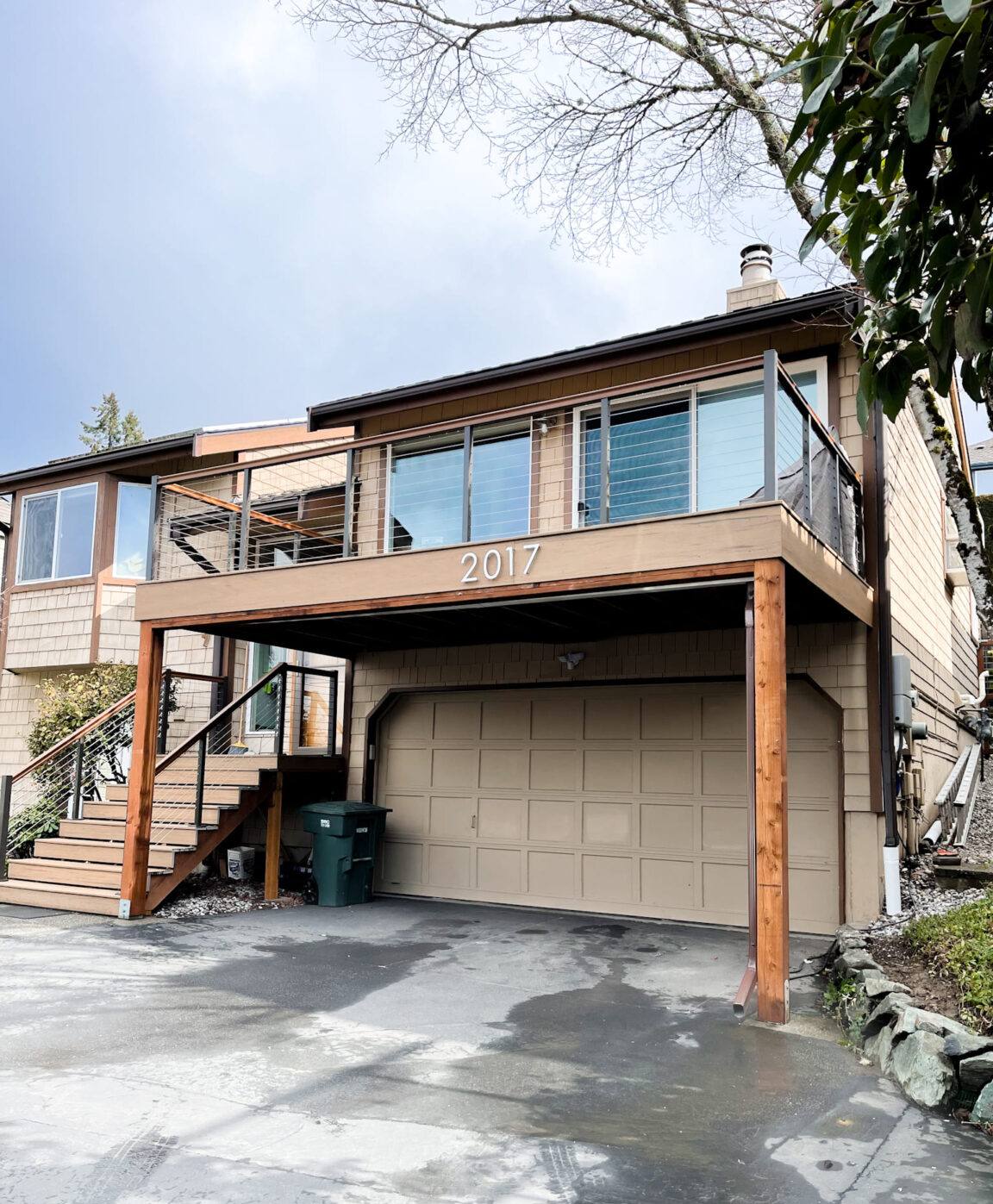
What Sarasota's Climate Does to an Ordinary Deck
Most deck failures we get called out to inspect or repair trace back to a handful of climate-driven causes, not bad luck:
- UV breakdown — constant sun exposure dries out and embrittles wood fibers, fades composite decking colors unevenly, and degrades cheaper sealants faster than manufacturers' timelines suggest.
- Wind-driven rain intrusion — rain in this region rarely falls straight down. It drives sideways under railings, into ledger connections, and behind fascia boards that weren't properly flashed.
- Corrosion from humidity and salt air — standard fasteners and connectors corrode faster here than in most parts of the country, which weakens structural connections long before the visible decking shows wear.
- Wind uplift — Sarasota County requires decks to be engineered for real wind loads, not just gravity loads, because a poorly anchored deck can become a hazard in a tropical storm or hurricane.
- Ground moisture and drainage — Florida's water table and heavy seasonal rain mean post footings and ledger connections need to be designed with moisture management in mind from day one, not patched later.
None of these are exotic problems. They're the predictable result of building outdoor structures in this climate, and every one of them has a known, correct construction response.
What a Correctly Built Deck Requires Here
Framing and Fasteners
We build structural framing from pressure-treated lumber rated for ground contact where it matters, and we fasten it with corrosion-resistant, coastal-rated hardware — stainless steel or hot-dip galvanized connectors, not the standard-grade fasteners that are fine in drier climates but corrode within a few years here. Every ledger-to-house connection gets proper flashing so wind-driven rain can't work its way into the band joist behind it, which is one of the most common hidden rot points on older Sarasota-area decks.
Footings and Attachment
Footing depth and post spacing are engineered to the wind and load requirements for this part of Sarasota County, not just "what's always been done." A deck attached loosely to the house, or resting on undersized or shallow footings, is the deck most likely to shift, sag, or fail during a bad storm season.
Railings and Stairs
Railing height, baluster spacing, and stair geometry follow Florida Building Code requirements, and we build them to hold up structurally under wind load, not just look correct on installation day. A railing that's cosmetically fine but under-fastened is a liability the first time someone leans on it.
Choosing the Right Decking Material for Fruitville
There is no single "best" decking material for every home — the right choice depends on your budget, how much maintenance you want to take on, and how long you plan to stay in the house. Here's how the common options actually compare in this climate:
| Material | Upfront Cost | Maintenance | How It Handles This Climate |
|---|---|---|---|
| Pressure-treated wood | Lowest | Annual cleaning, periodic re-sealing | Good if maintained consistently; UV and humidity will gray and crack it faster without upkeep |
| Composite decking | Mid-to-high | Occasional washing, no sealing/staining | Resists rot and UV fading well; quality varies by brand, so we're selective about what we install |
| PVC/capped decking | Highest | Lowest — mostly washing | Best moisture and UV resistance of the common options; strongest warranty structures |
| Tropical hardwoods (e.g. ipe) | High | Regular oiling to maintain color | Naturally dense and durable, but demands disciplined maintenance or it grays quickly in full sun |
We're honest about trade-offs rather than pushing whatever has the best margin. If you want the lowest upfront cost and don't mind a maintenance routine, treated wood is a legitimate choice. If you'd rather spend more once and maintain less for the next fifteen-plus years, composite or PVC decking earns its price difference here. We'll walk through your specific situation — how you use the space, your budget, and how much upkeep you actually want to commit to — before recommending anything.
Permitting and Code Compliance in Sarasota County
Decks in Sarasota County require a permit in most cases, and inspections check footing depth, ledger attachment, railing height, and structural connections against Florida Building Code. This isn't paperwork for its own sake — it's the mechanism that catches the exact failure points that cause deck collapses and storm damage. We handle the permitting process as part of the job, and we build to pass inspection the first time because the structure is actually built correctly, not because we know how to talk past an inspector.
Skipping the permit might save time upfront, but it creates real problems later: unpermitted structures can complicate a home sale, may not be covered by insurance after storm damage, and give you no independent verification that the framing and footings are actually sound.
Our Deck Building Process
- On-site consultation — we look at your yard, discuss how you'll use the deck, and talk through material options honestly, including cost and maintenance trade-offs.
- Design and engineering — layout, footing plan, and structural details are worked out to match Florida Building Code and Sarasota County wind requirements for your specific site.
- Permitting — we submit and manage the permit so you don't have to navigate county requirements yourself.
- Site prep and footings — footings are dug and poured to the engineered depth and spacing, not shortcut to save a day of labor.
- Framing — ledger, joists, and beams go in with corrosion-resistant hardware and proper flashing at every connection point that touches your home.
- Decking, railing, and stairs — installed to your chosen material's manufacturer specifications, which matters most for composite and PVC products where fastening pattern affects warranty coverage.
- Final walkthrough and inspection — we review the finished deck with you and coordinate final county inspection.
Deck Problems We Commonly Find and Fix in This Area
Because we work regularly in Fruitville and the surrounding Sarasota neighborhoods, we see the same handful of issues on decks that were either built by out-of-area crews or built years ago under older standards:
- Ledger boards attached without flashing, allowing slow water intrusion into the house band joist
- Standard (non-coastal-rated) fasteners showing early corrosion and connector weakening
- Undersized or shallow footings that have allowed posts to shift over time
- Railings that meet code visually but are under-fastened at the posts
- Composite decking installed with the wrong fastening pattern, voiding the manufacturer warranty
If you're not sure whether an existing deck has one of these issues, that's a reasonable thing to have looked at before it becomes a bigger repair.
Protecting Your Deck Once It's Built
Even the best-built deck needs some ongoing attention in this climate. A simple annual routine goes a long way:
- Rinse off salt residue, pollen, and organic debris a few times a year, more often if you're closer to the water
- Check fastener heads and railing connections for corrosion or looseness once a year
- For wood decking, plan on re-sealing or staining every one to two years depending on sun exposure
- Keep gutters and downspouts near the deck clear so runoff isn't pooling against footings or framing
- Trim back vegetation that's shading the deck and keeping it damp longer after rain
Why a Local Fruitville Crew Makes a Difference
A contractor who works this specific area regularly knows the Sarasota County permitting process, has already seen how the local climate ages different materials and fastener types, and isn't learning wind-load and flashing requirements on your project for the first time. That familiarity shows up in fewer surprises — permits that go through cleanly, footings sized correctly the first time, and a deck that's still solid five hurricane seasons from now instead of needing early repairs.
If you're planning a new deck or want an honest opinion on an existing one, we're glad to come take a look. Reach out for a free, no-pressure estimate using the form below, and we'll walk the site with you and talk through what makes sense for your home and budget.