 Sarasota Siding
 Fruitville's Climate Is Harder on Siding Than Most Homeowners Realize
Fruitville sits inland from the Gulf compared to the barrier islands, but "inland" in Sarasota County still means full exposure to everything Southwest Florida throws at a house. Homes here deal with hurricane-force wind gusts during tropical systems, wind-driven rain that gets forced sideways under lap joints and around trim, and near-constant UV load from a sun that doesn't take an off-season. Add in the humidity that keeps moisture sitting against exterior walls for months at a time, plus salt-laden air that travels further inland than people expect on breezy days, and you have a combination that ages cheap or improperly installed siding fast.
This is the environment we design every siding job around. A product and installation method that works fine in a dry, mild climate can fail in a handful of years here — not because the homeowner did anything wrong, but because the siding or the install wasn't matched to what Sarasota County actually delivers year-round.
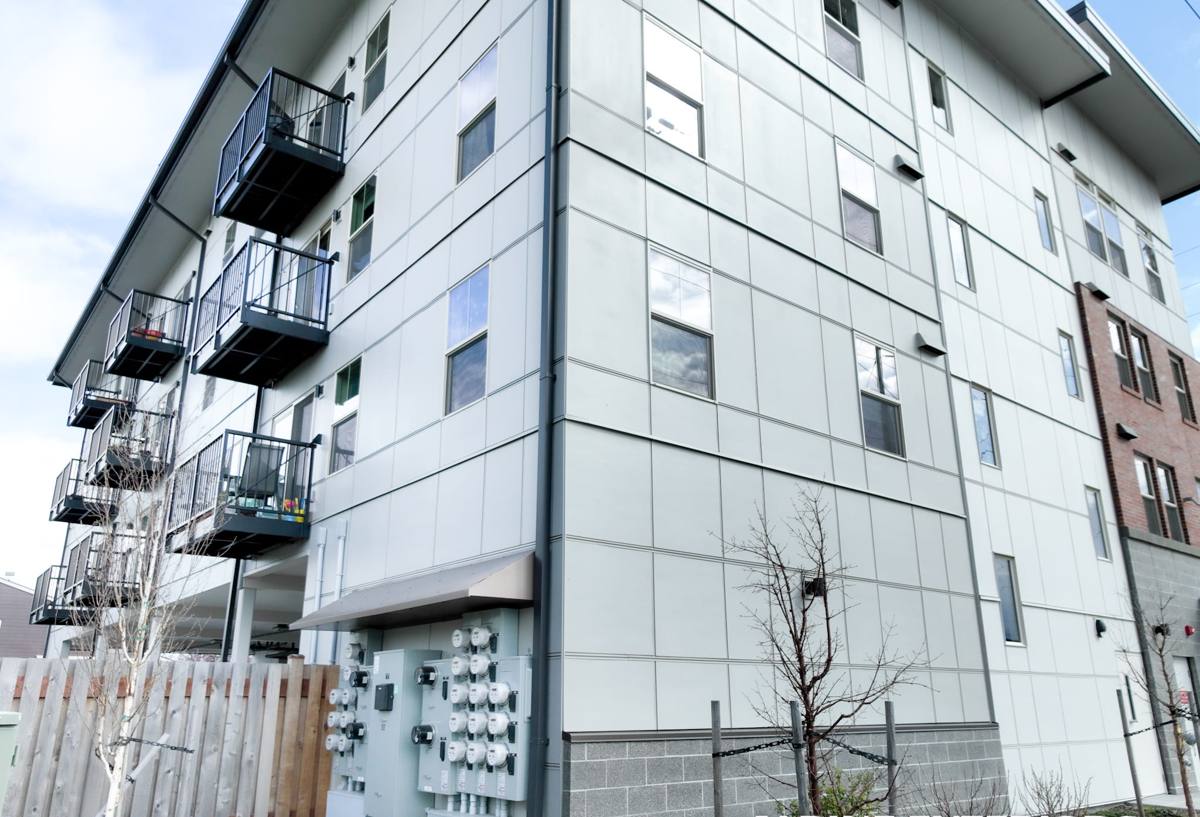
Why We Only Install James Hardie in Fruitville
We install James Hardie fiber cement exclusively. We don't offer vinyl, LP SmartSide, Cemplank, Allura, or wood siding, and that's a deliberate standard, not a sales preference. Vinyl softens, warps, and can crack in high heat and impact events, and its seams are a known path for wind-driven water intrusion. Engineered wood products carry moisture-related risk at cut edges and seams that's hard to fully eliminate in a climate this humid. Cedar and primed spruce need a maintenance schedule most homeowners can't realistically keep up with once salt air and sun start working on painted wood.
James Hardie's fiber cement is non-combustible, dimensionally stable in heat and humidity swings, and manufactured specifically for regions like ours through its HardieZone HZ5 formulation — engineered for high-moisture, high-UV climates rather than a one-size-fits-all national product. That's the baseline we want under our name on a Fruitville roofline.
Product Lines We Use Most in This Area
- HardiePlank lap siding — the standard horizontal siding look for most Fruitville homes; available in several exposure widths and textures.
- HardieShingle siding — a shingle-style profile for accent walls, gables, or homes going for a more coastal or craftsman look.
- HardiePanel vertical siding — used for board-and-batten sections, porch gables, and modern exterior styling.
- HardieTrim boards — matched trim system so window, door, and corner details age at the same rate as the field siding instead of becoming the weak point.
ColorPlus factory finish is our default recommendation over field-applied paint for most of these jobs. Baking the color onto the board in a controlled factory environment produces better UV and fade resistance than paint applied on-site, which matters a great deal under Sarasota's sun exposure.
What Correct James Hardie Installation Actually Involves
James Hardie siding performs the way it's rated to perform only when it's installed to the manufacturer's specifications. That sounds obvious, but it's the single biggest variable in how long a siding job lasts in this climate. The material itself is engineered well; installation errors are what create callbacks and premature failures.
The Details That Matter Most Here
- Correct fastener placement and type — Hardie specifies fastener size, spacing, and embedment depth; over-driven or under-driven nails compromise the board's wind resistance rating.
- Proper clearances — minimum gaps between siding and roof lines, decks, and grade prevent water from wicking into the board's bottom edge, a common failure point in humid climates.
- Correct overlap and joint treatment — lap siding needs the specified overlap, and butt joints need to be flashed or caulked per Hardie's installation instructions, not just butted and painted over.
- Weather-resistive barrier behind the siding — a properly lapped and sealed house wrap or building paper is what actually stops wind-driven rain that gets past the siding face during a storm.
- Wind-rated fastening schedule — Florida Building Code wind zones dictate fastener spacing tighter than the manufacturer's minimum in many cases, and Sarasota County permitting checks for this.
Skipping any one of these doesn't usually show up as a problem on day one. It shows up two or three years later as a soft spot behind a butt joint, paint failure at an unflashed seam, or siding that didn't hold up the way it was rated to in the next tropical storm.
Where Installation Mistakes Most Often Void the Warranty
James Hardie's product warranty is tied to installation according to their published instructions. The most common issues we find when re-siding a home that had a previous installer's work removed are missing or insufficient caulking at trim joints, siding installed in direct contact with the roofline or a deck surface, and face-nailing patterns that don't match the wind zone requirement for the home's location. Any of these can affect warranty coverage even when the siding material itself is still structurally sound.
Our Process for a Fruitville Siding Project
Every job follows the same sequence, whether it's a full re-side or a partial repair section.
- On-site inspection — we look at the current siding, sheathing condition, trim, and any moisture damage before quoting anything, since damaged sheathing changes the scope.
- Detailed proposal — product line, color, trim package, and a clear scope of what's included, so there's no ambiguity about what "the job" covers.
- Permitting — Sarasota County requires a permit for siding replacement, and wind-load fastening schedules get verified as part of that process.
- Tear-off and substrate check — old siding comes off and we inspect the sheathing underneath before closing anything back up; hidden rot gets addressed, not covered over.
- Weather barrier installation — a new, properly lapped moisture barrier goes on before a single piece of Hardie siding does.
- Siding and trim installation — installed to Hardie's fastening and clearance specifications for our wind zone.
- Final walkthrough — a punch-list inspection with the homeowner before we consider the job finished.
What Affects the Cost of a James Hardie Siding Job in Fruitville
There's no honest flat number for siding without seeing the house, but the factors that move the price are consistent from job to job.
| Cost Factor | Why It Matters |
|---|---|
| Home size and wall square footage | More surface area means more material and labor hours regardless of product choice. |
| Condition of existing sheathing | Rot or moisture damage found during tear-off requires repair before new siding can go on correctly. |
| Product line and profile mix | A straightforward lap siding job costs less than a home mixing HardiePlank, HardieShingle accents, and custom trim details. |
| ColorPlus vs. field-applied paint | Factory-finished ColorPlus carries a different cost structure than on-site painting but generally holds color longer under our UV exposure. |
| Home shape and trim complexity | Multiple gables, dormers, and window/door openings add labor time for cutting, fitting, and flashing. |
| Full re-side vs. partial repair | Repairs to a section of siding cost less upfront but should be matched carefully so the home doesn't end up with mismatched panels or colors over time. |
We walk through these factors on-site during the estimate so a homeowner understands exactly what's driving the number, not just a total at the bottom of a page.
Why Local Experience in Sarasota County Matters
A siding crew that regularly works Fruitville and the surrounding Sarasota County area already knows the permitting process, the county's wind-load fastening requirements, and how HOA architectural guidelines in this area typically handle exterior material and color changes. That familiarity shortens the permitting timeline and avoids the back-and-forth that comes from a crew learning the local requirements for the first time on a homeowner's project. It also means we're not guessing at how a product performs here — we're installing the same HardieZone HZ5 system on homes a few miles apart, in the same wind zone, under the same sun and humidity conditions, year after year.
Maintenance: What Fruitville Homeowners Should Actually Expect
One of the real advantages of fiber cement over wood or vinyl in this climate is how little ongoing maintenance it needs when installed correctly. That doesn't mean zero maintenance — it means the maintenance is simple and infrequent rather than constant.
- Rinse siding periodically to clear salt residue and airborne dust, especially on sides of the home that face prevailing wind.
- Inspect caulked joints around trim, windows, and doors annually and re-caulk if you see cracking or separation.
- Keep irrigation heads and sprinklers from spraying directly on the siding, which accelerates staining and mineral buildup.
- Trim vegetation and landscaping back from exterior walls to maintain airflow and reduce moisture retention against the siding.
- After any major storm, walk the exterior and look for cracked panels, loose trim, or damaged caulk joints rather than waiting for the next inspection cycle.
ColorPlus-finished siding generally doesn't need repainting on the same schedule as field-painted wood, which is a meaningful long-term savings for homeowners who've dealt with recurring paint failure in this climate before.
Signs a Fruitville Home May Need New Siding
Not every siding issue means a full replacement, but a few signs are worth a professional look rather than a DIY patch:
- Soft or spongy spots when pressing on the siding, which often points to trapped moisture behind the surface.
- Visible warping, buckling, or gaps opening up at seams and corners.
- Paint that's peeling or bubbling repeatedly in the same spots despite repainting.
- Rising energy bills paired with drafts near exterior walls, which can indicate a compromised weather barrier behind the siding.
- Siding that's more than 20-25 years old, particularly if it's a product not engineered for this climate.
If you're seeing any of these on a Fruitville home, it's worth having someone look at what's underneath the surface before deciding whether it's a repair or a full re-side.
Get a Straight Answer on Your Siding
If you're weighing options for a home in Fruitville, we're happy to take a look and give you an honest read on condition, scope, and what a correctly installed James Hardie system would look like on your house — no pressure, no inflated quote to negotiate down from. Fill out the form below for a free estimate.