 Sarasota Siding
 Gulf Gate Estates Homes Take a Beating From the Climate — Even When It Doesn't Look Like It
Gulf Gate Estates sits close enough to the water that salt air is a daily fact of life for anything on the exterior of a house, not just the siding on homes right on the coast. Add in Sarasota County's intense year-round UV exposure, the wind-driven rain that comes with almost every serious summer storm, and the occasional direct hit from hurricane-force winds, and you have a combination that few siding products are actually engineered to handle. Most exterior cladding failures we get called out to inspect in this neighborhood aren't dramatic storm damage — they're the slow kind. Paint that's chalked and faded years ahead of schedule. Seams that opened up just enough to let moisture behind the panel. Trim that swelled, split, or went soft at the bottom edge. None of that happens overnight, and none of it is usually visible from the street until it's already a repair job instead of a maintenance item.
The homes in this part of Sarasota run a mix of ages and construction styles, which means the siding decisions made years ago — sometimes decades ago — are still on the house today, working against a climate that's only gotten more demanding. When we're asked to bid a siding replacement here, the conversation isn't just about appearance. It's about what's actually going to survive a Gulf Coast summer, storm season, and the next twenty years without turning into a maintenance headache.
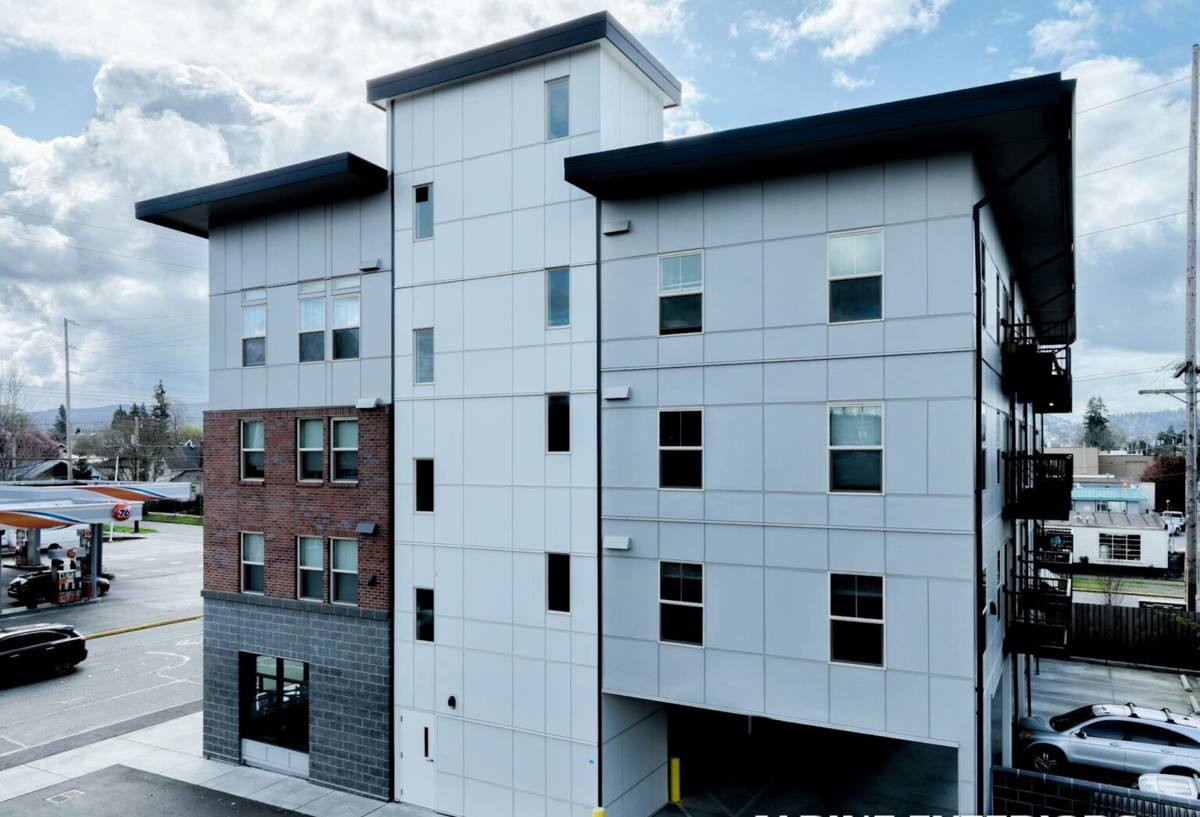
Why We Only Install James Hardie Fiber Cement
We made a decision as a company to install James Hardie fiber cement siding exclusively — not vinyl, not LP SmartSide, not Cemplank, Allura, or primed wood products. That's not a marketing position, it's a practical one built around what actually holds up in this part of Florida.
Fiber cement is non-combustible, which matters in a state where wind-driven wildfire and lightning-strike fires are a real, if infrequent, risk. It doesn't expand and contract with heat and humidity the way vinyl does, so seams and reveals stay tighter over time. It doesn't absorb water and swell at cut edges and fastener points the way wood-based products can, which is the single biggest failure point we see in humid coastal climates. And because James Hardie makes climate-specific product lines, we're not installing the same siding on a Gulf Gate Estates home that a crew in Ohio would use — we're installing the version engineered for exactly this kind of exposure.
What That Means in Practice
James Hardie's HZ5 product line is engineered for hot, humid, storm-prone climates like ours — it's formulated to resist moisture-related damage, hold factory-applied color longer under intense UV, and perform through the freeze-free but storm-heavy weather pattern that defines a Sarasota County summer. Choosing the right product line isn't a minor spec detail; it's the difference between siding that still looks correct at year fifteen and siding that needs attention at year five.
What a Correct Installation Actually Involves
James Hardie siding performs the way it's designed to only when it's installed to the manufacturer's specifications — and in a wind-driven-rain climate, the installation details matter as much as the product itself. A lot of the siding problems we're called to fix on existing homes trace back not to the product but to shortcuts taken during installation.
Moisture Management Behind the Panel
Proper water-resistive barrier coverage, correctly lapped and taped seams, and flashing at every window, door, and roofline intersection are what keep wind-driven rain from finding its way behind the siding in the first place. Fiber cement is durable, but no siding system stops water that's actively being driven sideways into a wall unless the drainage plane behind it is done right.
Fastening for Wind Exposure
Coastal Sarasota County construction has to account for real wind loads, and that starts with correct fastener type, spacing, and embedment — not just "close enough." Under-fastened or improperly placed nails are one of the most common causes of panels working loose or cracking during a storm, long before the siding itself has reached the end of its useful life.
Gaps, Caulking, and Clearances
James Hardie specifies exact clearances from rooflines, decks, and grade, along with specific gapping and sealant practices at butt joints and trim. Skipping these is a common way installers save time — and it's also the most common way homeowners end up with rot, staining, or moisture intrusion at those exact points a few years later.
Matching the Product Line to the Home
Not every part of a house calls for the same James Hardie product. HardiePlank lap siding covers the field of most homes and is available in a range of exposures and textures. HardieShingle gives a home a different architectural character where a coastal or craftsman look is wanted. HardieTrim finishes out corners, fascia, and window and door surrounds so the whole exterior reads as one coherent system instead of mismatched materials. Part of doing this job correctly in Gulf Gate Estates is choosing the right combination for the specific home, not defaulting to whatever's fastest to install.
| Factor | Why It Affects Your Project |
|---|---|
| Current siding material | Removal of old stucco, wood, or vinyl adds labor and disposal time compared to installing over prepared sheathing |
| Home size and wall complexity | Dormers, multiple gables, and cut-up wall lines mean more trim work and cutting, which adds labor hours |
| Product line selection | HZ5-engineered lines and factory ColorPlus finishes cost more than base product but reduce long-term maintenance |
| Moisture barrier and flashing condition | Sheathing repair or upgraded flashing detail work is common once old siding comes off and the wall is exposed |
| Trim and accent scope | Full HardieTrim packages around windows, corners, and rooflines cost more than minimal trim but hold up better to UV and rain |
Our Process for a Gulf Gate Estates Project
We walk every home in person before writing a proposal — there's no accurate way to scope a siding job in this climate from a photo or a phone call. That inspection covers the condition of the existing siding and sheathing, moisture entry points, trim and flashing detail at every roofline and penetration, and the specific wind and sun exposure of the home's orientation.
- On-site inspection and measurement, including a check of sheathing condition once representative areas of old siding are opened up
- Product and color selection, matched to the home's exposure and any HOA or neighborhood aesthetic considerations
- Written proposal with product line, scope, and timeline — no vague allowances
- Permitting through Sarasota County, where required for the scope of work
- Removal of old material, sheathing repair as needed, and full water-resistive barrier and flashing installation
- James Hardie installation to manufacturer fastening and clearance specifications
- Final walkthrough with the homeowner before the job is called complete
Permitting and Code Considerations in Sarasota County
Siding replacement in coastal Sarasota County typically falls under county permitting requirements tied to Florida Building Code's wind and moisture provisions for this region. That's not paperwork for its own sake — it's the mechanism that keeps installation quality tied to a standard, rather than left entirely to whichever crew shows up. A contractor who's used to pulling permits and passing inspections in this specific county isn't guessing at what an inspector will want to see; they already know.
If your home has hurricane insurance considerations, documentation of the installed product line and installation method can also matter for future claims or coverage reviews. Keeping a clear paper trail on what was installed and how is worth doing regardless, and it's a normal part of how we close out a project.
Living With James Hardie Siding in This Climate
One of the practical advantages of fiber cement in a salt-air, high-UV environment is how little ongoing maintenance it actually needs compared to wood or vinyl alternatives — but "low maintenance" isn't "no maintenance," and a little attention goes a long way toward protecting the installation and the warranty.
- Rinse siding periodically to clear salt residue and airborne debris, especially on sides of the home facing prevailing wind and water
- Keep an eye on caulking at trim joints and penetrations, and have gaps resealed before they become moisture entry points
- Trim back landscaping and irrigation spray that keeps siding constantly damp or allows direct plant contact
- After any major storm, walk the exterior and check for loose panels, damaged trim, or exposed fastener heads
- Repaint only with products and methods that don't void the ColorPlus or standard finish warranty — check before hiring for repainting work
Why It Matters to Hire a Crew That Already Works This Neighborhood
A siding installer who's already worked in Gulf Gate Estates and the surrounding Sarasota area knows the permitting process at the county level, understands how the local wind and moisture exposure should shape the installation details, and isn't learning the region's building code on your project. That familiarity shows up in fewer surprises during permitting, fewer callbacks after the first serious storm, and an installation that's actually built for where the house sits — not a generic install that happens to be located in Florida.
We install James Hardie exclusively because we've seen what holds up here and what doesn't, and we'd rather stand behind one product done correctly than offer several options and hope one of them works out. If you're weighing a siding replacement or repair for a Gulf Gate Estates home, we're glad to walk the property, look at what you're currently dealing with, and put together a straightforward, no-pressure estimate using the form below.