 Sarasota Siding
 Lakewood Ranch Roofs Take a Different Kind of Beating
Lakewood Ranch is one of the more comfortable places to own a home in the Sarasota area, but comfort doesn't extend to what's happening above your ceiling. A roof here is dealing with hurricane-force wind gusts during storm season, wind-driven rain that finds every weak seam, intense UV exposure nearly every day of the year, and salt-laden air that drifts well inland off the Gulf. None of that is unique to the coastline. It reaches planned communities like Lakewood Ranch too, and it wears down roofing materials faster than most homeowners expect.
A new roof installed correctly for this climate looks different from a new roof installed in, say, the Midwest. The materials, fastening pattern, underlayment, and ventilation all need to account for what Sarasota County throws at a house year after year. Cutting corners on any one of those doesn't show up on day one — it shows up two or three years later as a leak, a lifted shingle line, or a claim denial after a storm.
Wind and Uplift
Florida's building code treats roofs as a wind-resistance system, not just a weather shield. Every fastener, every nailing pattern, and every starter course either meets that standard or it doesn't. A roof that looks fine in calm weather can fail during a tropical storm or hurricane if the underlying fastening and edge details were rushed. Lakewood Ranch sits inland enough to avoid the highest wind-zone requirements that apply right on the coast, but it is still squarely in hurricane territory, and gusts here can absolutely lift improperly secured roofing.
Heat and UV Cycling
Sarasota County gets sun exposure most of the year, and roofing materials expand and contract with that daily heat cycle. Asphalt shingles lose oils and granules faster under sustained UV than they would in a milder climate. Metal panels and fasteners expand and contract at different rates than the substrate they're attached to, which matters for how they're installed. A roof built without accounting for this heat load ages faster than its warranty suggests it should.
Wind-Driven Rain and Moisture Intrusion
Straight-down rain is easy for almost any roof to shed. Wind-driven rain is a different problem — it gets pushed sideways and upward under shingle edges, around vents, and along flashing seams. This is where most "mystery leaks" actually start. A properly installed roof assumes wind-driven rain will happen and builds in a secondary water barrier so a small breach at the surface doesn't turn into water in the attic.
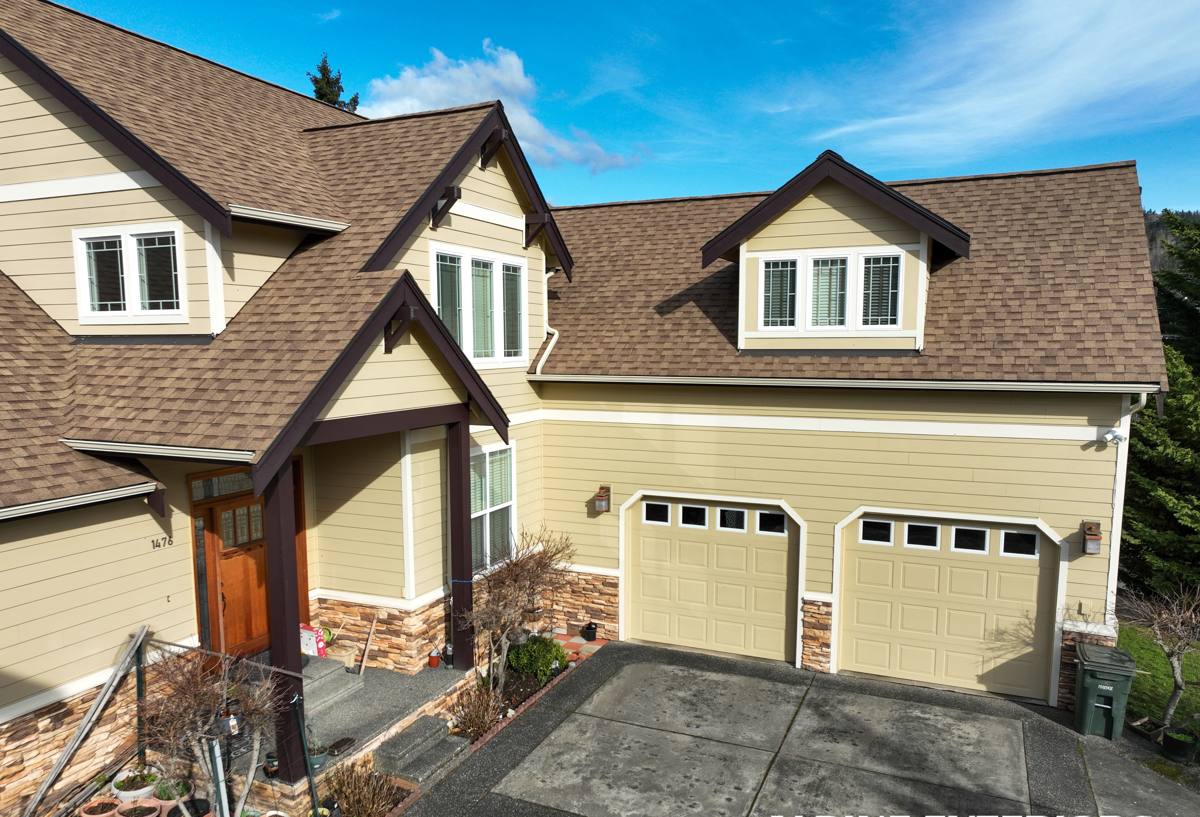
Signs a Repair Won't Cut It Anymore
Not every roofing problem calls for full replacement, but Lakewood Ranch homeowners often wait too long trying to patch a roof that's already past the point where patching makes sense. Some signs worth taking seriously:
- The roof is nearing or past the manufacturer's expected lifespan for its material and this climate
- Granule loss is heavy enough that you can see bare or shiny patches on shingles
- You've had more than one leak in the past couple of years, even in different spots
- Sections of roof decking feel soft or spongy when walked on, or show sagging from below
- Your insurance carrier has flagged the roof's age at renewal or asked for a roof certification
- Storm damage has been repaired piecemeal multiple times rather than addressed as a whole
If more than one of these applies, a full replacement is usually the more honest — and often more cost-effective — recommendation than another round of patching.
What a Correct New Roof Installation Involves
Tear-Off and Deck Inspection
A legitimate new roof starts with a full tear-off down to the deck, not an overlay on top of old material. This is the only point where the crew can actually see the plywood or OSB underneath and catch rot, delamination, or soft spots caused by years of hidden moisture. Any damaged decking gets replaced before anything new goes down — installing new roofing over a compromised deck just hides the problem for a while.
Underlayment as the Real Water Barrier
The shingles or tiles get the attention, but the underlayment is what actually keeps a house dry when wind-driven rain gets past the surface layer. In this climate, that generally means a synthetic underlayment or self-adhering membrane at vulnerable areas — valleys, eaves, penetrations — rather than the thinner felt paper that was standard decades ago. This is one of the details that separates a roof built for Sarasota County weather from one that just happens to be installed here.
Fastening Pattern and Wind Rating
Nail placement, nail count per shingle, and starter strip installation all affect a roof's actual wind rating — not just the rating printed on the product packaging. Florida Building Code specifies fastening requirements for this reason. Skipping nails, using the wrong fastener type, or hand-nailing incorrectly are common shortcuts that don't show up on a visual inspection but absolutely show up in the next major windstorm.
Ventilation That Actually Works
Attic ventilation affects both the lifespan of the roof and the comfort of the house underneath it. A hot, poorly ventilated attic bakes shingles from below while the sun bakes them from above, shortening their life on both ends. Proper intake and exhaust ventilation also helps manage moisture that builds up from Florida's humidity, reducing the conditions that lead to deck rot over time.
Choosing a Roofing Material for a Lakewood Ranch Home
There isn't one "correct" material for every home — it depends on your home's structure, your HOA or community design guidelines, and your priorities around upfront cost versus long-term maintenance. Here's an honest comparison of the main options we install in this area:
| Material | Wind & Storm Performance | Heat & UV Behavior | Maintenance | Typical Fit |
|---|---|---|---|---|
| Architectural asphalt shingle | Strong when installed to code with proper nailing and starter courses | Loses granules gradually under sustained UV; quality of shingle matters | Low; periodic inspection and gutter care | Most common choice; matches the look of most homes in the area |
| Concrete or clay tile | Very good wind resistance when properly fastened; individual tiles can crack from impact | Handles UV and heat very well; minimal fading over time | Occasional cracked-tile replacement; avoid foot traffic and pressure washing | Common in many Lakewood Ranch neighborhoods with tile-forward design guidelines |
| Standing seam metal | Excellent wind and wind-driven-rain performance with continuous panel runs | Reflects heat well; minimal UV degradation | Very low; occasional fastener and sealant check at penetrations | Good fit for homeowners prioritizing longevity over lowest upfront cost |
We'll walk through which of these makes sense for your specific roof structure, and flag anything your community's design guidelines require before you commit to a direction.
Permits, Codes, and Community Approval
Every new roof installation in this region requires a building permit, and the work gets inspected against Florida Building Code wind and installation standards — this isn't optional paperwork, it's what protects your insurance coverage and resale value down the line. Lakewood Ranch also sits across parts of both Manatee and Sarasota counties depending on the specific neighborhood, so it's worth confirming which permitting office and code jurisdiction applies to your address before work starts.
On top of county permitting, many neighborhoods in Lakewood Ranch operate under HOA or community development district design guidelines that govern acceptable roof colors, materials, and sometimes tile profiles. Skipping that approval step can lead to a compliant, code-legal roof that still runs into a homeowner association dispute after the fact. Part of doing this job right locally is knowing to check both boxes, not just the county's.
Our Installation Process, Start to Finish
Homeowners deserve to know what's actually going to happen to their house, in what order. Here's how a full roof replacement typically runs:
- On-site inspection and honest assessment of whether replacement is actually needed
- Written estimate covering material options, scope, and timeline — no pressure to decide on the spot
- Material selection, including any HOA color or profile approval needed before ordering
- Permit filed with the correct county office for your address
- Material delivery and job-site staging, protecting landscaping and driveways
- Full tear-off to the deck, with any damaged decking identified and replaced
- Underlayment, flashing, and edge details installed before the finish material goes down
- Installation of the new roofing material to code-compliant fastening specifications
- Full site cleanup, including a magnetic sweep for stray nails and fasteners
- Final inspection, permit close-out, and documentation provided for warranty and insurance records
What to Expect While the Work Is Happening
A typical single-family roof replacement in this size range usually runs one to a few days depending on roof complexity, material, and weather. Florida summer storms can push a schedule back a day here and there — we'd rather hold for a safe, dry install window than rush a roof onto a wet deck. Expect noise during tear-off and nailing, equipment and dumpster or trailer staging in the driveway, and some vibration inside the house during the loudest parts of the day. If you have pets sensitive to noise, planning around that for the first day or two is worth doing.
Keeping a New Roof Performing in This Climate
A well-installed roof still needs some basic upkeep to hit its full expected lifespan in Sarasota County conditions:
| Maintenance Item | Why It Matters Here |
|---|---|
| Clear gutters and valleys of debris | Clogged valleys hold water against the roof surface during heavy rain events |
| Post-storm visual inspection | Catches lifted shingles or displaced tiles before the next rain event turns them into a leak |
| Trim back overhanging branches | Reduces abrasion damage and debris buildup from wind events |
| Avoid pressure washing tile or shingle roofs | High-pressure washing can strip granules or crack tile underlayment seals |
| Check attic ventilation periodically | Poor airflow accelerates heat damage from underneath the roofing material |
Why It Matters That We Already Work in Lakewood Ranch
A roofing crew that regularly works Lakewood Ranch already knows which county office to file with for a given street, which communities have design review boards that need to sign off on roof color or tile profile before material gets ordered, and what roof styles are typical across the area's neighborhoods. That local familiarity cuts out a lot of the back-and-forth delays that come with a crew learning the area's rules for the first time on your project.
It also means we've seen how roofs installed here actually hold up over years of Gulf Coast weather — not just how they look on installation day. That's the kind of knowledge that shapes honest material recommendations instead of generic ones.
If your roof is showing its age or you're planning ahead of the next storm season, we're happy to take a look and give you a straight assessment. Reach out for a free, no-pressure estimate using the form below.