 Sarasota Siding
 Custom Decks for Laurel Park Homes
Laurel Park sits just south of downtown Sarasota, one of the city's older, walkable residential neighborhoods with a mix of historic bungalows, mid-century homes, and newer infill construction. That mix matters when it comes to deck work. A deck that ties into a decades-old home with settled framing and original siding needs a different approach than one going onto a home built in the last ten years. We build and repair custom decks throughout Laurel Park and the surrounding Sarasota area, and we plan every project around the age and condition of the house it's attached to, not just the deck itself.
A deck in this part of Sarasota County isn't just a backyard amenity — it's an outdoor living space that gets used most of the year, sits under intense sun, and has to survive the same weather that tests the roof and siding. Building one correctly means understanding how Sarasota's climate works against wood, fasteners, and finishes over time, not just getting the framing square on day one.
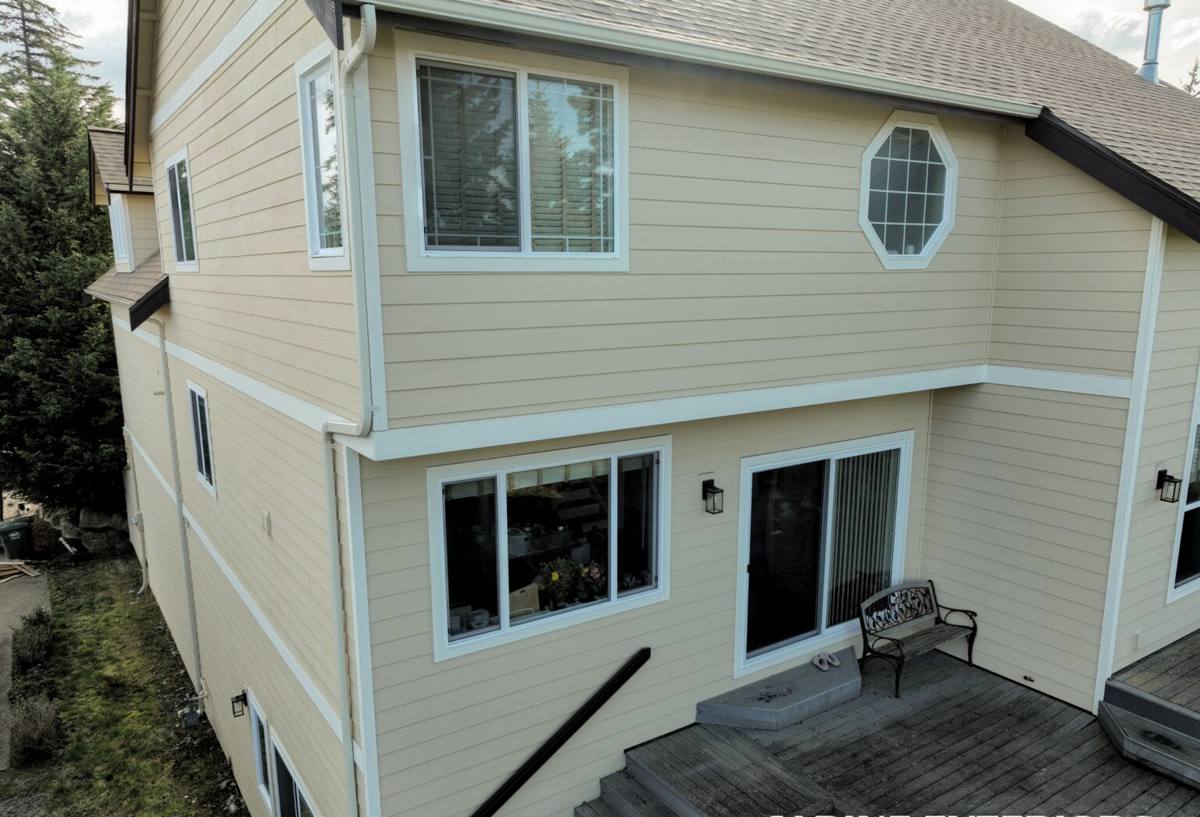
What Sarasota's Climate Demands From a Deck
Decks fail here for predictable reasons, and almost all of them trace back to the same handful of environmental stresses.
Year-Round UV Exposure
Sarasota gets strong, direct sun for most of the year. UV breaks down wood fibers, dries out natural oils, and fades or chalks finishes faster than in northern climates. Uncoated or poorly finished wood decking can gray and check within a couple of seasons if it isn't maintained.
Wind-Driven Rain and Humidity
Afternoon storms in Sarasota County don't fall straight down — wind pushes rain sideways into ledger boards, fastener heads, and the underside of framing where it's harder to inspect. Combined with the region's high ambient humidity, that moisture has more opportunity to sit against wood and hardware than it would in a drier climate.
Salt Air Corrosion
Laurel Park's proximity to Sarasota Bay means salt-laden air reaches inland further than most homeowners expect. Standard zinc-coated fasteners and connectors corrode faster near the coast, which is why hardware selection is a bigger deal here than it would be for the same deck built inland.
Hurricane-Force Wind Loads
Florida's building code accounts for wind uplift and lateral loads, and Sarasota County enforces it closely. A deck's ledger attachment, post connections, and railing anchoring all need to resist wind forces, not just support foot traffic. This is one of the most common places we find shortcuts in older or DIY-built decks.
Choosing the Right Decking Material for This Neighborhood
There's no single "best" decking material — the right choice depends on budget, how much upkeep you want to do, and how the deck fits the look of the house. Here's how the common options compare for a Sarasota climate specifically.
| Material | Climate Performance | Maintenance | Typical Cost Position |
|---|---|---|---|
| Pressure-treated wood | Prone to UV graying and checking; needs sealing to resist wind-driven moisture | Annual cleaning and resealing recommended | Lowest upfront cost |
| Tropical hardwood (e.g., ipe-type species) | Naturally dense and rot-resistant; still fades without oiling | Periodic oiling to maintain color and prevent surface checking | Higher material cost, longer lifespan |
| Capped composite | Strong UV and moisture resistance; doesn't absorb wind-driven rain like wood | Occasional washing, no sealing or staining | Mid-to-upper cost, priced for lower long-term upkeep |
| PVC decking | Fully synthetic, very stable in heat and humidity, no wood fiber to rot | Lowest maintenance of the group | Highest upfront cost |
Matching Material to Laurel Park's Mix of Homes
On a historic bungalow, a natural wood tone often fits the architecture better and can be the right call even with the added maintenance. On newer construction, composite or PVC boards tend to make more sense because they hold up with less attention and the homeowner isn't trying to match a specific period look. We'll walk through the trade-offs honestly rather than push whatever has the best margin — the right material is the one you'll actually keep up with.
What a Correct Deck Build Involves
The visible decking boards are the easy part. The parts that determine whether a deck lasts are mostly hidden once the project is finished.
Ledger Attachment
The ledger board — where the deck ties into the house — has to be properly flashed and fastened to keep wind-driven rain from getting behind it and into the home's structure. This is the single most common failure point we find on older decks in this area, and it's not something that shows up until there's already rot or water intrusion.
Fasteners and Hardware
Given the salt air in this part of Sarasota County, we use fasteners and structural connectors rated for coastal exposure rather than standard exterior-grade hardware. It costs more up front and saves the deck from hidden corrosion failures years down the line.
Framing for Wind Load
Post spacing, joist hangers, and railing post connections all need to meet Florida Building Code wind provisions for this region. That means proper blocking, correctly rated hangers, and railing systems anchored to resist lateral load — not just screwed to the rim joist.
Permitting in Sarasota County
Most new decks and significant deck rebuilds require a permit and inspection, whether the project is inside city limits or in unincorporated Sarasota County. We handle the permitting process as part of the job so the work is documented and inspected, which also matters if you ever sell the home.
Our Process, Start to Finish
1. On-Site Assessment
We look at the existing structure (for repairs or replacements), the house's ledger condition, drainage around the footprint, and how the space will actually be used before we talk materials.
2. Design and Material Selection
We lay out size, layout, railing style, and material options based on your budget and how much maintenance you want to take on, with straightforward pricing for each option.
3. Permitting
We prepare and submit the permit package and schedule the required inspections so the project stays compliant with Sarasota County and Florida Building Code requirements.
4. Construction
Framing first, with attention to ledger flashing, fastener selection, and post anchoring — then decking, railings, and finish work.
5. Final Walkthrough
We go over the finished deck with you, cover maintenance expectations for your specific material, and make sure everything passes final inspection.
Maintaining a Deck in a Sarasota Climate
Even the best-built deck needs some seasonal attention here. What that looks like depends on the material, but the basics apply across the board.
- Clear leaves and debris from between boards and around posts so moisture doesn't sit trapped after storms
- Check railing posts and stair connections for looseness at least once a year
- Rinse salt residue off the deck surface and hardware periodically, especially after windy weather off the bay
- Reseal or re-oil natural wood decking on a regular schedule rather than waiting until it looks faded
- Inspect the ledger board area and any flashing for signs of staining or soft wood after heavy rain seasons
- Trim back overhanging vegetation so boards get airflow and aren't sitting in constant shade and moisture
Why a Local Laurel Park Crew Makes a Difference
Laurel Park's lots tend to be smaller and closer together than newer Sarasota subdivisions, with mature tree canopy and a mix of home ages that each come with their own quirks — older framing, additions built at different times, or utility runs that aren't where you'd expect. A crew that's worked in the neighborhood before knows to check for those things up front instead of finding them mid-project. We're also familiar with how Sarasota County and City of Sarasota permitting offices handle deck applications in this area, which keeps the process moving instead of stalling on paperwork.
Local experience also means realistic advice. We're not going to recommend a material or design that doesn't fit how a Laurel Park home actually sits on its lot, how much shade it gets, or how exposed it is to wind off the water.
Repairs, Not Just New Builds
Not every project is a new deck. We also repair and rebuild existing decks that are showing the effects of Sarasota's climate — soft or spongy boards, rusted fasteners bleeding through the finish, railings that have loosened over time, or a ledger connection that needs to be redone properly. Sometimes a deck just needs targeted repairs and a fresh coat of protection; other times the framing has degraded enough that a rebuild is the more honest recommendation. We'll tell you which one you're actually looking at before any work starts.
If you're planning a new deck or need an existing one assessed, we're happy to take a look and put together a straightforward, no-pressure estimate. Use the form below to get in touch and we'll schedule a time to come out.