 Sarasota Siding
 Siding Replacement in Laurel Park: Built for What Sarasota Actually Throws at a House
Laurel Park sits close enough to the water and downtown Sarasota that its homes take a different kind of beating than siding twenty miles inland. Between hurricane-force wind events, near-constant UV exposure, wind-driven rain, and the slow corrosive drip of salt air, exterior siding here doesn't get to coast. It's working every day. When it's time to replace siding on a Laurel Park home, the material and the installation both need to be chosen with that reality in mind — not just picked for a low bid or a fast turnaround.
This page covers what a siding replacement project should actually involve for a home in this part of Sarasota County: what the climate demands, what a correct installation looks like, how our process runs from first look to final walkthrough, and why working with a crew that already knows this neighborhood's housing stock matters more than it might seem.
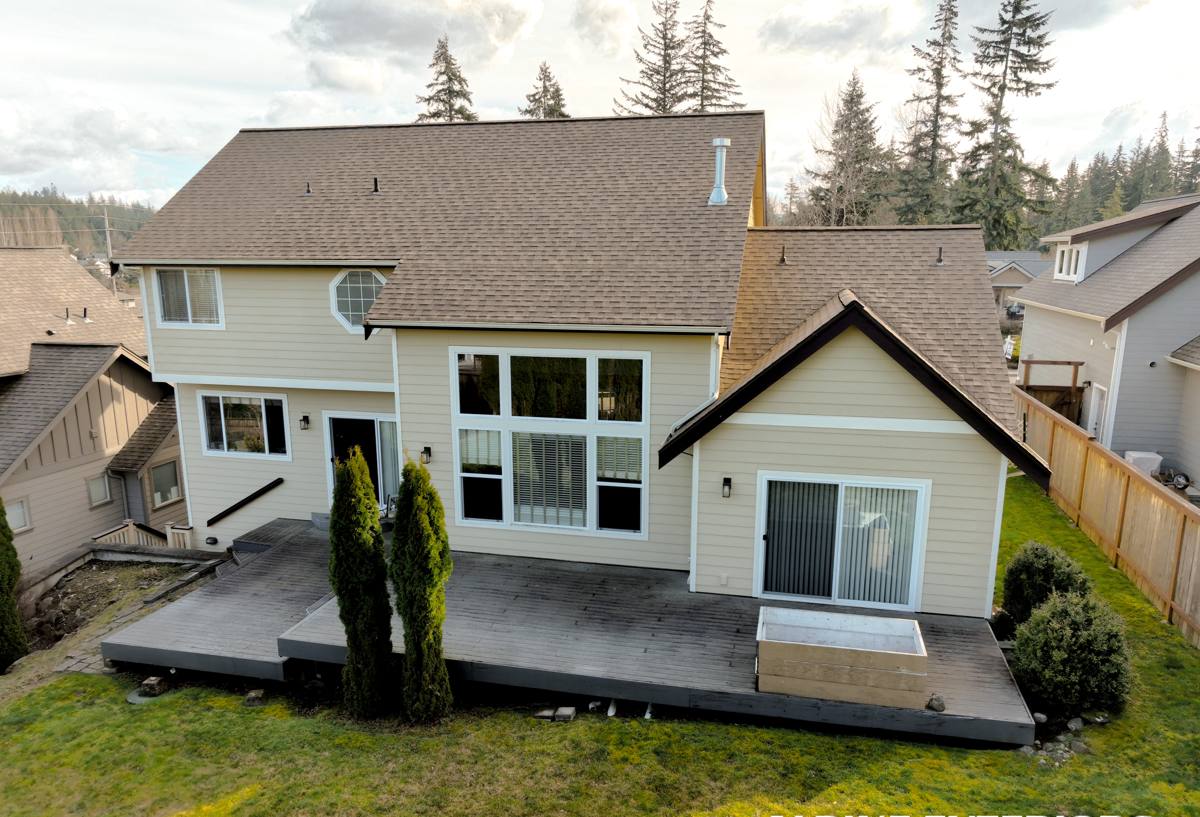
What Laurel Park's Climate Does to Siding Over Time
Sarasota's coastal exposure isn't a single stress — it's several working together, and they compound each other faster than most homeowners expect.
Wind and Storm Load
Laurel Park homes need siding and fastening systems rated for the wind speeds this part of the Gulf Coast sees during hurricane season. It's not just about the siding surviving a direct hit — it's about the fastening pattern, the starter strip, and the trim details holding up under repeated wind loading over years of lesser storms, not just the one big one.
UV and Heat
Florida sun is relentless, and it hits siding on a south- or west-facing wall nearly year-round. Paint-grade siding and cheaper factory finishes chalk, fade, and lose adhesion faster here than they would in a milder climate. Color consistency and finish durability matter more in Sarasota than in most of the country.
Wind-Driven Rain
Storms here rarely arrive straight down. Wind-driven rain gets pushed sideways into seams, laps, and penetrations that would stay dry in a calmer climate. A siding system that isn't detailed correctly at the laps, corners, and around windows and doors will let moisture behind the cladding — and once that happens, the damage is happening where you can't see it.
Salt Air
Even a few miles from the water, airborne salt accelerates corrosion of fasteners and metal trim, and it interacts with lower-grade coatings in ways that speed up wear. Laurel Park's proximity to Sarasota Bay puts it squarely in that zone.
None of these stresses are unique to Laurel Park, but the combination — coastal wind, intense sun, driven rain, and salt — is exactly why siding decisions in this neighborhood deserve more thought than a generic replacement job.
What a Correct Siding Replacement Actually Involves
Replacing siding is not just pulling off old panels and nailing up new ones. A job done right in a climate like this has several layers that all have to be correct, not just the visible surface.
- Substrate inspection: Once old siding comes off, the sheathing underneath gets checked for rot, moisture damage, or prior water intrusion — especially around windows, doors, and roof-to-wall transitions.
- Water-resistive barrier: A correctly lapped and sealed weather barrier goes on before any siding, so that if wind-driven rain does get past the cladding, it drains out instead of soaking into the wall assembly.
- Flashing details: Windows, doors, and any wall penetrations need proper flashing integrated with the barrier — this is where most real-world leaks originate, not through the siding field itself.
- Fastening to spec: Fastener type, spacing, and embedment need to match the manufacturer's wind-rated installation instructions for this region, not a generic nailing pattern.
- Correct clearances: Siding needs proper clearance from grade, roof lines, and decking so it isn't sitting in standing water or trapped moisture.
- Trim and joint sealing: Butt joints, corners, and trim need to be sealed and detailed in a way that sheds water rather than collecting it.
Skip any one of these steps and the siding might look fine for a year or two — but in a coastal Sarasota climate, shortcuts show up early, usually as soft trim, staining, or paint failure well before the material's rated lifespan.
Why We Install Only James Hardie Fiber Cement
We standardized on James Hardie fiber cement siding for every job we take on, including here in Laurel Park, and we don't install vinyl, LP SmartSide, Cemplank, Allura, or primed wood siding. That's not a marketing position — it's a practical one, based on what holds up in this specific climate.
Non-Combustible
Fiber cement is non-combustible, which matters in a state where wildfire risk and ember exposure are a real, if often overlooked, consideration for exterior materials.
Built for Heat, Humidity, and UV
Hardie's HZ5 product line is engineered specifically for high-humidity, high-UV climates like Florida's — it's formulated to resist moisture-related warping and swelling that wood-based and some engineered products are more prone to in sustained heat and humidity.
ColorPlus Factory Finish
Hardie's ColorPlus finish is baked on at the factory under controlled conditions, which gives it better fade and chip resistance than field-applied paint — a real advantage under Sarasota's UV load, where finish longevity is one of the first things to fail on lesser materials.
Warranty Backing
James Hardie backs its siding with a strong, transferable limited warranty, which matters both for a homeowner's own peace of mind and for resale value down the line — buyers and inspectors in this market increasingly know what Hardie siding is worth.
We're not going to tell you every other product on the market is junk — vinyl, LP, and other fiber cement brands each have legitimate uses and loyal installers. But for the specific combination of wind, UV, salt air, and storm exposure that Laurel Park deals with, James Hardie is the product we're willing to put our name behind, and it's the only one we install.
| Factor | Why It Matters in Laurel Park |
|---|---|
| Wind rating | Fastening and panel system must meet local wind-load requirements for hurricane-prone Gulf Coast exposure |
| Moisture resistance | Wind-driven rain demands correct flashing, lapping, and drainage behind the cladding, not just a water-resistant surface |
| UV/finish stability | Year-round sun accelerates fading and chalking on lower-grade or field-painted finishes |
| Corrosion resistance | Salt air speeds up fastener and trim corrosion, especially within a few miles of the bay |
| Fire performance | Non-combustible material adds a layer of protection lesser materials don't offer |
| Warranty transferability | Matters for resale in an active Sarasota real estate market |
Our Process for a Laurel Park Siding Replacement
1. On-Site Assessment
We walk the property, look at the current siding's condition, check for signs of moisture intrusion at trim and penetrations, and talk through what you're seeing and what's concerning you about the current exterior.
2. Honest Scope and Estimate
You get a clear, written estimate that spells out what's included — tear-off, substrate repair if needed, house wrap, flashing, Hardie siding and trim, and finish details. No pressure, no inflated urgency.
3. Tear-Off and Substrate Check
Old siding comes off and the sheathing gets inspected before anything new goes up. If there's rot or water damage underneath, we address it before covering it back up — a step that's easy to skip and expensive to regret later.
4. Weather Barrier and Flashing
We install and properly lap the water-resistive barrier and flash all penetrations, windows, and doors before any siding panel goes on.
5. Hardie Installation to Spec
Siding goes up following James Hardie's regional installation requirements for fastening, clearance, and joint treatment — built for the wind and moisture conditions Sarasota County actually sees.
6. Final Walkthrough
We walk the finished job with you, confirm everything meets the agreed scope, and answer any questions about care or what to expect from the finish over time.
Why a Crew That Already Works Laurel Park Matters
Laurel Park is a well-established, walkable neighborhood close to downtown Sarasota, with a housing stock that spans a range of ages and construction styles. A crew that has already worked on homes in this area has a practical feel for the kinds of substrate conditions, older construction details, and drainage quirks that show up here — knowledge that doesn't come from a spec sheet, only from doing the work locally and repeatedly.
There's also a simpler, more practical reason local experience matters: response time. If a question comes up during the project, or you want someone to look at how the siding is holding up a year or two later, it's a real advantage to work with a crew that's already familiar with the neighborhood rather than one dispatching from far outside the county.
Signs Your Laurel Park Home May Need Siding Replacement
- Soft or spongy spots when you press on the siding, especially near the bottom courses or around windows
- Visible warping, buckling, or panels that have pulled away from the wall
- Persistent staining or discoloration that doesn't clean off, particularly on the sides facing prevailing wind and rain
- Paint or finish that's chalking heavily or peeling well ahead of what you'd expect
- Rising energy bills that may point to compromised insulation or air sealing behind the siding
- Visible gaps, cracks, or separation at seams, corners, and trim joints
Any one of these on its own might be minor. Several together, especially on a home that's had the same siding for well over a decade, usually means it's worth a professional look before small problems turn into structural repair costs.
What Replacement Typically Involves, Cost-Wise
Every Laurel Park home is different, and final pricing depends on square footage, the number of stories, trim complexity, and how much substrate repair is needed once old siding comes off. In general terms, cost is driven by:
- Total square footage of siding being replaced
- Home height and accessibility (single story vs. multi-story)
- Amount of trim, corner detail, and architectural features
- Condition of the sheathing underneath the existing siding
- Whether tear-off and disposal of old material is included
We don't publish blanket pricing because it's not honest to do so — a firm number only comes after we've actually seen the house. What we can promise is a written estimate that's clear about what's included, with no surprise add-ons once work is underway.
If your Laurel Park home's siding is showing its age or you're planning ahead of the next storm season, we'd be glad to take a look. Reach out for a free, no-pressure estimate using the form below — there's no obligation, just an honest read on where your siding stands.