 Sarasota Siding
 Longboat Key's Roofing Challenge: Wind, Sun, and Salt Air
Longboat Key sits out on the Gulf, and that barrier-island location is exactly what makes it beautiful and exactly what makes roofing here harder than roofing a few miles inland. A shingle roof on the Key takes a different kind of beating than one in a typical Sarasota County subdivision. Sustained onshore wind is a daily fact of life, not just a storm-season concern, and every named system that comes up through the Gulf has a straight shot at these homes. Layer in the intense, nearly year-round Florida sun, and asphalt shingles here are cycling through heat expansion and contraction more often than shingles almost anywhere else in the state.
Then there's the salt air. Salt-laden moisture rides the wind off the water and settles on every exposed surface of a roof — the shingles, the flashing, the fasteners, the vents. Over time it accelerates corrosion in anything that isn't rated for a marine-adjacent environment, and it can shorten the useful life of hardware that would otherwise outlast the shingles themselves. None of this means asphalt shingle roofing is a poor choice for Longboat Key — it's still one of the most cost-effective, widely available, and repairable roofing systems on the market. It means the installation has to be done with these conditions in mind from the first nail, not treated like a standard inland roof job.
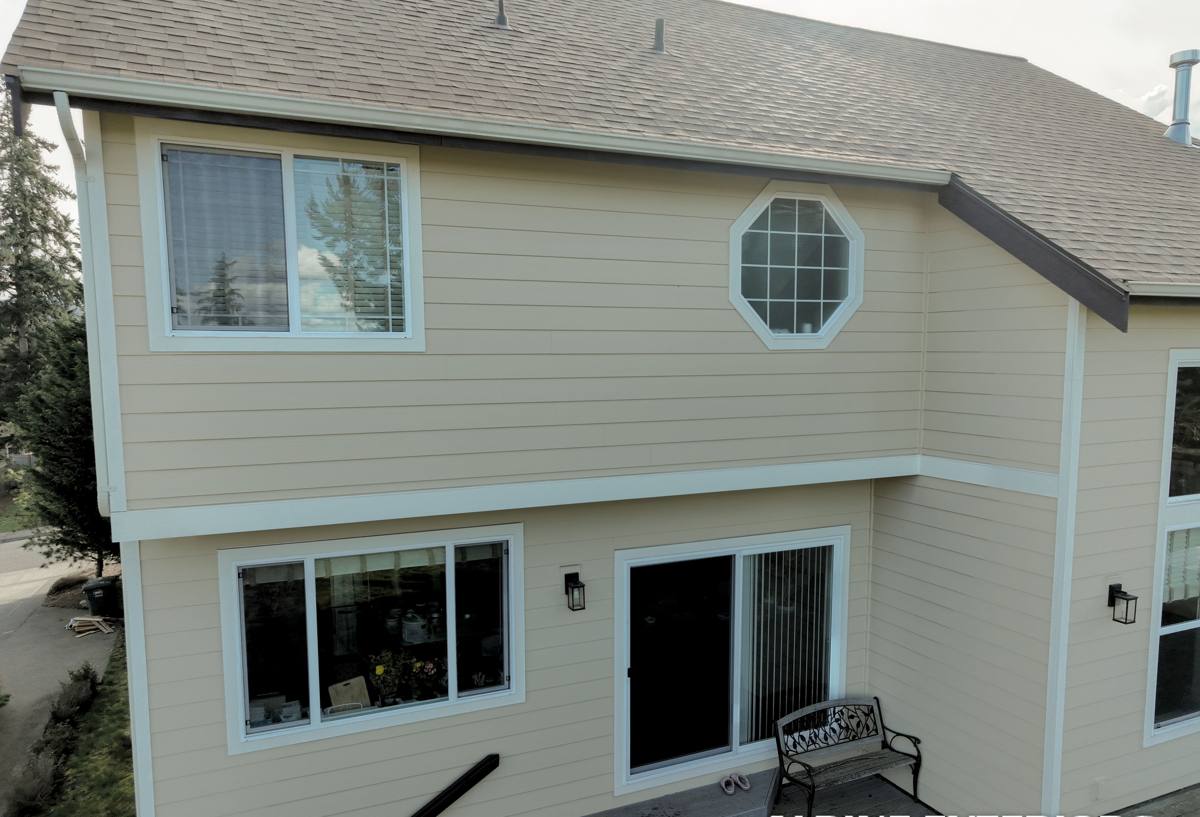
What a Correct Asphalt Shingle Roof Requires Here
Wind Resistance Starts With the System, Not Just the Shingle
A shingle's wind rating on the packaging only means something if every layer underneath it is installed to match. That starts with the nailing pattern — the right number of fasteners, placed correctly in the nailing zone, driven flush and not overdriven. A rushed nailing job is one of the most common reasons shingles that are rated for high wind still lift and blow off in the first serious gust. On a barrier island, we don't treat manufacturer wind-rating specs as a suggestion; they're the minimum standard.
Underlayment and Flashing Matter as Much as the Shingle
The shingles are the visible layer, but the underlayment and flashing are what actually keep wind-driven rain out of the structure when a storm pushes water sideways under the shingle tabs. A synthetic or self-adhering underlayment, properly lapped, and flashing detailed correctly around every penetration, valley, and wall intersection is what separates a roof that sheds a tropical storm from one that leaks through the ceiling. This detail work is invisible once the job is finished, which is exactly why it's where corners get cut on a rushed roof.
Ventilation Prevents Heat and Moisture Damage
Proper intake and exhaust ventilation keeps attic temperatures down and moisture from condensing under the decking. On a home exposed to this much direct sun, poor ventilation shortens shingle life from the underside, cooking the mat and asphalt from within the attic space even while the top surface looks fine.
Signs Your Longboat Key Roof Needs a Closer Look
Salt air and wind exposure mean roofs on the Key can show wear earlier than the same roof would inland. Worth checking for, or having checked, especially after a windy season or a direct storm hit:
- Shingles that look lifted, curled, or cupped at the edges, especially on the windward side of the roof
- Bald or shiny patches where granules have worn away, exposing the black asphalt underneath
- Exposed or backed-out nail heads, which are common entry points for water once the sealant around them fails
- Rust streaking near flashing, vents, or fasteners — an early sign salt air is working on the metal
- Soft or spongy spots when walking the roof, which usually point to decking that's already taken on moisture
- Granules collecting in gutters or at downspouts after heavy rain
- Daylight visible through the attic decking, or musty odors in upstairs rooms after rain
Any one of these on its own isn't necessarily an emergency, but on a coastal roof they tend to compound quickly. Catching them early is almost always cheaper than waiting for a leak to show up on a ceiling.
Choosing a Shingle System for a Barrier Island Home
Not every asphalt shingle product is built for the same conditions. The table below reflects general differences between common tiers — actual wind ratings and warranties vary by manufacturer and product line, so we go over the specific options and their documented ratings during the estimate.
| Shingle Type | Typical Wind Rating | Best Fit For |
|---|---|---|
| 3-tab | Lower end of the range; lighter construction | Budget-conscious inland projects, less suited to sustained coastal wind exposure |
| Architectural / laminate | Mid-to-high range, with high-wind lines available | Most Longboat Key homes — thicker profile, better sealant strip performance, stronger look |
| Impact-resistant (Class 4) | High-wind lines with reinforced mat construction | Homes prioritizing hail and debris impact resistance, sometimes paired with insurance premium discounts |
For most homes on the Key, we steer the conversation toward architectural shingles rated for high-velocity wind zones. They cost more up front than 3-tab shingles, but on an exposed coastal roof the difference in service life and storm performance usually justifies it. We'll always lay out the honest trade-offs for your specific roof rather than push the most expensive option by default.
Our Asphalt Shingle Roofing Process
Whether it's a repair, a partial replacement, or a full tear-off, we follow the same disciplined process on every Longboat Key roof:
- Inspection and honest assessment — we get on the roof (or use safe alternative inspection methods where needed) and document the actual condition, not just what's visible from the ground.
- Written scope and product selection — you get a clear explanation of what's being replaced, what shingle and underlayment system is recommended, and why, before any work starts.
- Tear-off and decking check — old material comes off down to the deck so we can inspect for soft, rotted, or delaminated sheathing, which gets addressed before anything new goes down.
- Underlayment and flashing installation — properly lapped underlayment and correctly detailed flashing at every valley, penetration, and wall transition.
- Shingle installation to manufacturer and code specification — correct nailing pattern, exposure, and starter/ridge detailing for the wind zone.
- Final walkthrough — we go over the finished roof with you, clean the site, and make sure you understand your warranty coverage.
Permits, Wind Codes, and HOA or Condo Requirements
Roofing work in Sarasota County requires a permit and inspection, and the Florida Building Code's wind provisions are stricter for coastal and wind-borne-debris regions than they are further inland. On Longboat Key specifically, many properties are also part of a condominium association or homeowners association with its own roofing material, color, and contractor approval requirements layered on top of the county process. We handle the permitting side of the job and can work with association requirements when they apply — but if your property is under an association, it's worth confirming their approval process early so it doesn't hold up scheduling.
What Drives the Cost of a Longboat Key Roof
We don't publish blanket per-square pricing because it genuinely depends on the specifics of your roof — but the main factors that move the number, in either direction, are consistent from job to job:
| Factor | Why It Matters |
|---|---|
| Tear-off vs. overlay | A full tear-off costs more up front but is almost always the right call on a coastal roof, since it exposes the decking and lets us fix hidden problems |
| Roof pitch and complexity | Steeper roofs and roofs with multiple valleys, dormers, or penetrations take more labor and material to detail correctly |
| Decking condition | Rotted or delaminated plywood found during tear-off needs replacement before new shingles go down |
| Shingle tier selected | Higher wind-rated and impact-resistant products cost more per square than standard architectural shingles |
| Ventilation upgrades | Adding or correcting intake/exhaust ventilation adds cost but protects the new roof's lifespan |
We walk through these factors on-site so the estimate reflects your actual roof, not a generic average.
Why Hire a Crew That Already Works Longboat Key
A roofing crew that mostly works inland subdivisions doesn't necessarily think about salt-air fastener corrosion, wind-borne-debris code requirements, or barrier-island logistics — narrow access points, limited staging space, and in some cases HOA or condo scheduling windows — the same way a crew that regularly works this specific stretch of coast does. Familiarity with how Longboat Key properties are permitted, what the county inspectors are checking for on a coastal wind-zone roof, and how to sequence a job around association rules isn't something you want a contractor learning for the first time on your house. It shows up in fewer surprises, fewer callbacks, and a roof that's actually built for where it sits.
Caring for Your Roof After Installation
Asphalt shingle roofs in this environment benefit from more attention than the same roof would need inland. A periodic visual check after major storms, keeping gutters and valleys clear of debris so water doesn't pool, and having a professional look at flashing and sealant every few years go a long way toward getting the full service life out of the system. Salt buildup and organic growth can also be gently addressed with proper roof cleaning methods — aggressive pressure washing is one of the more common ways a good shingle roof gets damaged prematurely, so that's worth avoiding regardless of who does the cleaning.
If you're noticing any of the warning signs above, due for a replacement, or just want a straight answer on where your roof stands, we're happy to take a look. Reach out for a free, no-pressure estimate using the form below.