 Sarasota Siding
 Why Longboat Key Roofs Wear Out Faster Than Inland Roofs
Longboat Key sits out on a narrow barrier island between the Gulf of Mexico and Sarasota Bay, and that location is exactly what makes it beautiful — and exactly what makes roofing here harder than roofing a house a few miles inland. A roof on the key deals with a combination of stresses that most Florida homes never see all at once: sustained onshore wind, salt-laden air working its way into every metal component, intense year-round UV breaking down roofing materials from the top down, and wind-driven rain that gets pushed sideways into laps, flashing, and fastener penetrations during storms.
None of that means a roof on Longboat Key is doomed to fail early. It means the roof has to be designed and installed for those specific conditions, not just installed to the minimum code requirement and hoped for. That's the difference between a new roof that holds up for its full expected service life and one that starts showing granule loss, corroded fasteners, or lifted edges within a few years.
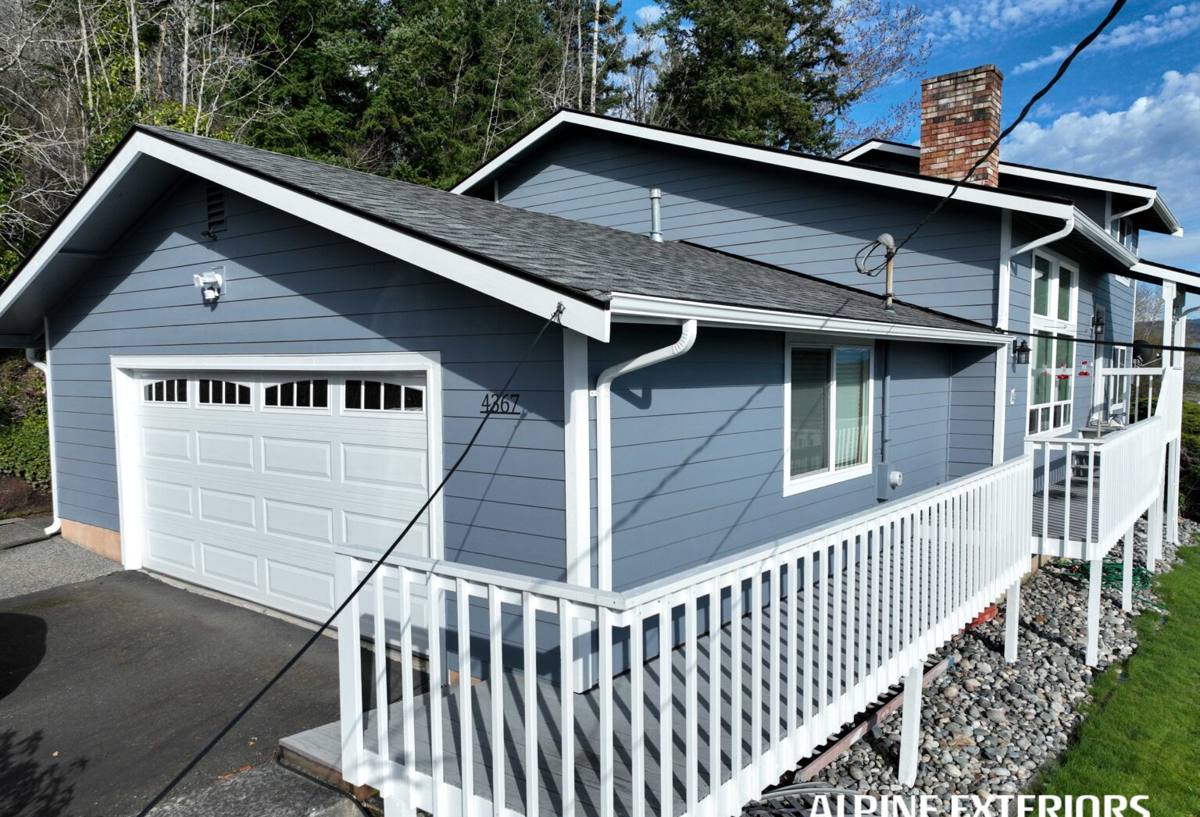
What a Longboat Key Roof Actually Needs
Wind Performance, Not Just a Wind Rating on Paper
Every roofing product sold in Florida carries a wind rating, but the number on the box only means something if the roof is installed to match it — correct fastener pattern, correct fastener length, correct underlayment attachment, and correct edge and ridge detailing. On a barrier island, uplift at eaves, rakes, and ridge lines is where roofs actually fail first, so those transition points get extra attention rather than the bare minimum.
Salt-Air-Resistant Hardware
Standard fasteners, flashing, and drip edge that would be fine ten miles inland can start corroding within a few seasons this close to open saltwater. We spec corrosion-resistant fasteners and flashing metals for coastal work, because a roof is only as durable as its weakest metal component — a rusted-out fastener or a corroded flashing seam is a leak waiting to happen, even if the shingles or tile above it still look fine.
A Underlayment System That Backs Up the Surface Layer
The visible roofing material — tile, shingle, or metal panel — is the first line of defense, not the only one. Wind-driven rain during tropical storms and hurricanes can find its way past the surface layer, which is why a properly installed self-adhering underlayment (sometimes called a secondary water barrier) matters as much as the roof covering itself. This is also a factor insurers look at directly.
Ventilation That Doesn't Fight the Coastal Environment
Intense UV and heat bake attic spaces all year on the Gulf Coast, and poor ventilation shortens the life of roofing materials from underneath while driving up cooling costs. Ventilation components on a coastal home also need to be designed so wind-driven rain can't use them as an entry point — which takes different detailing than a standard inland vent installation.
Roofing Materials for Longboat Key: A Straight Comparison
There's no single "best" roofing material for every Longboat Key home — the right choice depends on your home's structure, your HOA or architectural guidelines if you have them, your budget, and how much long-term maintenance you want to take on. Here's how the common options actually compare for barrier-island conditions:
| Material | Wind & Storm Performance | Salt Air Durability | Typical Lifespan | Maintenance Notes |
|---|---|---|---|---|
| Architectural asphalt shingle (high-wind rated) | Strong when installed with enhanced fastening; good uplift resistance | Good with corrosion-resistant flashing and fasteners | 20–30 years | Periodic inspection of flashing and sealant points, especially after major storms |
| Concrete or clay tile | Excellent wind performance when properly fastened and battened | Very good — tile itself is largely inert to salt | 30–50+ years | Underlayment beneath the tile typically fails before the tile does; periodic underlayment inspection matters |
| Standing seam metal | Excellent, especially with concealed fasteners and proper clip spacing | Depends heavily on coating quality and fastener metal — coastal-grade coatings needed | 30–50 years | Watch for coating wear at cut edges and fastener heads over time |
Whichever material you choose, we're honest about the trade-offs rather than steering every homeowner toward one product. Tile and metal cost more up front but ask less of you over the decades. A well-built architectural shingle roof, installed correctly for wind and detailed correctly for water intrusion, is a legitimate and more affordable option for many homes on the key. What we won't do is install any of these to a lower standard than the coastal environment requires just to save time.
Our Installation Process
- On-site inspection and honest assessment. We look at the existing roof structure, decking condition, flashing, and ventilation before recommending anything — not just the surface layer.
- Material and system recommendation. We walk you through the realistic options for your home, budget, and any HOA or architectural review requirements specific to your part of Longboat Key.
- Permitting. New roof installations on Longboat Key require a building permit through the appropriate local building department, and we handle that process as part of the job.
- Tear-off and deck inspection. Old roofing is removed down to the deck so we can actually see and address any rot, delamination, or fastener issues before covering it back up.
- Underlayment and flashing installation. This stage does the most work protecting your home during storms, and it gets the same care as the visible roofing material — not less.
- Roof covering installation. Shingles, tile, or metal panels installed to manufacturer specification and to the enhanced fastening standards appropriate for coastal wind exposure.
- Final inspection and cleanup. Including a magnetic sweep for stray fasteners and a final walkthrough with you before we consider the job done.
Permits, Wind Mitigation, and Insurance
Longboat Key straddles the line between Sarasota County and Manatee County, so depending on exactly where your home sits, permitting runs through the appropriate local building department. We take care of pulling the correct permit for your address rather than leaving that on you to sort out.
A new roof is also one of the biggest single factors in your homeowners insurance premium and eligibility on a barrier island. After installation, a wind mitigation inspection documents the roof's construction details — covering type, deck attachment, roof-to-wall connections, and secondary water barrier — and that documentation is what your insurer uses to calculate credits. We build the roof to qualify for those credits and can point you toward getting the inspection done once the job is complete.
Signs Your Roof Needs Replacing, Not Just Repairing
Not every roof problem on Longboat Key calls for a full replacement — but coastal exposure does shorten the window where a repair is still the right call. Watch for:
- Shingles that are cupping, cracking, or losing granules in patches rather than a single isolated spot
- Rusted or visibly corroded fasteners, flashing, or drip edge
- Soft spots or sagging when walked on, which can point to deck damage underneath
- Repeated leaks in different locations after storms, rather than one consistent trouble spot
- A roof approaching or past the upper end of its material's expected lifespan, especially if it's never been reroofed
- Visible daylight or water staining in the attic, particularly along ridges, valleys, or penetrations
- Difficulty getting affordable insurance coverage due to the roof's age or condition
If you're only seeing one or two of these and the roof is otherwise sound, a repair may still make sense. If several apply at once, or the roof is old enough that further storms are likely to keep finding new weak points, replacement is usually the more cost-effective path over the next decade rather than chasing repairs one storm at a time.
Why It Matters That Your Roofer Already Works on Longboat Key
A barrier island isn't just a scenic location — it's a logistics and code environment of its own. Material and equipment access means routing everything over the causeway and bridges, which affects scheduling and delivery timing in a way inland jobs don't deal with. Many Longboat Key homes also fall under HOA or architectural review requirements that dictate acceptable roofing materials, colors, or profiles, and a crew that's navigated that review process before can help you avoid delays. Local wind exposure zones and code requirements can also vary block by block depending on proximity to open water, which affects the fastening schedule and materials that are appropriate for your specific home rather than a generic Sarasota County spec.
A crew that's done this work on the key already knows these details going in, instead of learning them on your job.
What to Expect: Timeline and Disruption
Most single-family reroofs on Longboat Key take a few days to about a week from tear-off to final cleanup, weather and material availability permitting — tile and metal installations generally run longer than shingle. Expect noise and activity during work hours, a dumpster or material staging area on-site, and a magnetic sweep of the property at the end to catch stray nails and screws before we call the job finished. We'll walk you through the specific timeline for your roof and material choice before work begins, so there are no surprises once the crew shows up.
If your roof is showing its age, was damaged in a recent storm, or you're simply planning ahead for hurricane season, we're happy to take a look and give you a straightforward, no-pressure estimate — just fill out the form below to get started.