 Sarasota Siding
 Window Installation Built for a Barrier Island
Longboat Key sits exposed on a narrow strip of land between the Gulf of Mexico and Sarasota Bay, and that location changes what "correct" window installation means. A window that performs fine ten miles inland in Sarasota proper can fail here within a few seasons if it wasn't rated, flashed, and anchored for barrier-island conditions. We install windows on Longboat Key regularly, and this page covers what that actually takes — not generic window-buying advice, but what your specific home on this specific island needs.
Whether you're replacing failed single-pane originals in an older condo, upgrading a canal-front home ahead of hurricane season, or finishing out new construction, the same rules apply: the product has to be rated for the wind zone, the installation has to be watertight from day one, and the hardware has to hold up to salt air that will try to corrode it slowly for years.
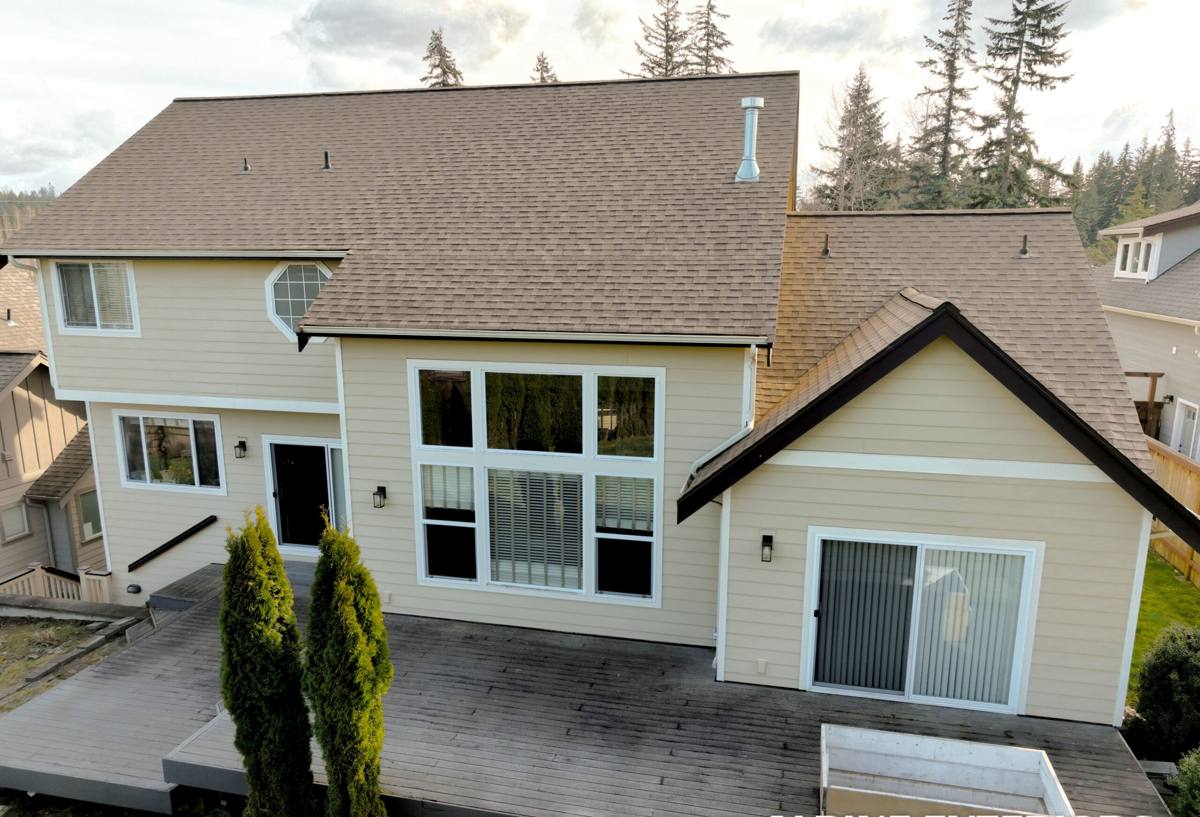
What the Island Climate Does to Windows Over Time
Four things wear on windows here more aggressively than almost anywhere else in Florida, and they compound each other.
Hurricane-Force Wind Loads
Longboat Key is directly exposed to Gulf storms with no inland buffer. Wind doesn't just push on glass — it drives pressure differentials through gaps, pulls at improperly anchored frames, and turns airborne debris into a real threat to unprotected openings. Window installation here has to account for design pressure ratings, not just aesthetics.
Wind-Driven Rain
Rain on Longboat Key rarely falls straight down during a storm — it comes in sideways, under eaves, and against every seam in a window assembly. A window that's watertight in a light rain test can still leak under wind-driven conditions if the flashing and sealant details weren't done correctly. Most water intrusion problems we find aren't bad windows — they're bad installations.
Year-Round, High-Intensity UV
Constant sun exposure breaks down vinyl, degrades low-quality seals, and yellows or clouds certain frame finishes faster than in less sun-intense climates. UV-stable materials and properly rated glass coatings matter more here than in a lot of the country.
Salt Air Corrosion
Being surrounded by the Gulf and the bay means salt is in the air constantly, not just after a storm. It attacks unprotected fasteners, cheap hardware, and aluminum components that aren't properly treated. On Longboat Key specifically, we lean toward corrosion-resistant stainless or coated hardware as a default, not an upgrade.
Florida Building Code and What It Means for Your Project
Longboat Key falls within Sarasota County's jurisdiction for permitting, and window replacement here is governed by the Florida Building Code's high-velocity and wind-borne debris region requirements. In practical terms, that means:
- Replacement windows generally need to carry a design pressure (DP) rating appropriate for the home's location and exposure category
- Impact-rated glass or an approved protective system is typically required for openings without another form of debris protection
- A permit is almost always required for window replacement — this isn't optional paperwork, it's what protects you if there's ever an insurance claim or a future sale
- Products used have to carry a valid Florida Product Approval or Miami-Dade Notice of Acceptance where applicable
We pull permits, coordinate inspections, and use products with current approvals for this wind zone. Skipping this step is one of the most common ways homeowners end up with windows that look fine but won't hold up — or won't satisfy an insurance underwriter or a buyer's inspector later.
What a Correct Installation Actually Involves
The window product itself is maybe half the equation. The other half is installation technique, and it's where most problems on this island actually originate.
Removal Without Hidden Damage
Old windows come out carefully so we can see the condition of the rough opening underneath — framing, sheathing, and any prior water damage that needs to be addressed before a new window goes in. Installing a new window over a compromised opening just hides the problem.
Flashing and Waterproofing
This is the step that determines whether wind-driven rain stays outside. Proper flashing integrates with the home's existing water management layer — house wrap, stucco, or siding — so water sheds outward at every layer, not just at the caulk line. Caulk is a backup, not a waterproofing strategy on its own.
Anchoring for Wind Load
Fasteners, spacing, and embedment depth all need to match the window's tested design pressure rating. An impact-rated window installed with inadequate anchoring performs like a much cheaper window in a real storm — the rating on the label only holds if the installation matches the tested assembly.
Sealing and Finish
Interior and exterior sealant beads, backer rod where needed, and proper trim-out finish the job and prevent both air infiltration and slow water intrusion around the frame perimeter.
Choosing the Right Window for a Longboat Key Home
There's no single "best" window for every house here — it depends on exposure, budget, and how the home is used. Here's how the common options actually compare for this location:
| Option | Wind/Storm Performance | Salt Air Durability | Trade-Offs |
|---|---|---|---|
| Impact-rated glass, no shutters needed | High — engineered for direct debris impact | Good with corrosion-resistant hardware | Higher upfront cost; heavier glass |
| Non-impact glass + storm shutters/panels | Good if shutters are deployed correctly and in time | Depends on shutter hardware maintenance | Requires action before every storm; ongoing maintenance |
| Aluminum frames | Strong, proven in coastal wind zones | Needs marine-grade coating to resist salt corrosion | Can conduct heat; finish quality varies |
| Vinyl frames | Adequate when properly reinforced | Doesn't corrode, but UV can degrade lower-grade vinyl over time | Look for UV-stabilized formulations for this exposure |
For most full-time Longboat Key residences and rental properties, we recommend impact-rated glass as the standard, not the upsell — it removes the pre-storm scramble to install shutters and holds its rating year-round without depending on anyone remembering to act before a storm arrives.
How Our Process Works
Assessment. We look at each opening individually — orientation, exposure, existing frame condition, and what's actually feasible for the structure, not a one-size answer for the whole house.
Product selection and permitting. We help you choose a window rated for the home's specific wind zone and submit the Sarasota County permit with the correct product approvals attached.
Installation. Old units come out, openings get inspected and corrected if needed, new windows go in with proper flashing and anchoring, and everything is sealed and finished to match the home.
Inspection and walkthrough. We coordinate the required inspection and walk the finished work with you before calling the job done.
What Affects the Cost
| Factor | Why It Matters |
|---|---|
| Impact vs. non-impact glass | Impact-rated units cost more upfront but remove the need for separate storm protection |
| Frame material and size | Larger openings and premium finishes increase both material and labor cost |
| Condition of the existing opening | Water damage or framing issues found during removal add scope |
| Number of openings and access | Upper floors, tight balconies, or condo access rules affect labor time |
| Permitting complexity | Condo associations and some structures have additional review steps beyond the county permit |
We give straightforward, itemized estimates rather than a single vague number — you should know what you're paying for before work starts.
What to Check Before You Hire Anyone for This Job
- Ask for proof of current Florida contractor licensing and insurance
- Confirm the products they're proposing carry valid Florida Product Approval for this wind zone
- Make sure a permit is included — not an optional add-on
- Ask how they handle flashing and waterproofing detail, not just the product brand
- Ask whether they've worked on Longboat Key specifically, including any condo or association coordination
- Get the design pressure rating in writing for the products quoted
Why Local Experience on This Island Matters
Longboat Key has its own mix of building types — beachfront condos, canal homes, older single-family houses — and its own permitting patterns through Sarasota County. A crew that installs windows here regularly already knows what inspectors look for, how to detail flashing against stucco versus siding, and how exposure varies from the Gulf side of the island to the bay side. That familiarity shows up in fewer surprises during the permit process and fewer callbacks after the first hard storm season.
If you're weighing options for a Longboat Key home, we're glad to take a look and give you a straightforward, no-pressure estimate — no sales pitch, just an honest read on what your windows need. Use the form below to get started.