 Sarasota Siding
 Windows Built for Osprey's Coastal Conditions
Osprey sits in one of the more exposed stretches of Sarasota County, wedged between the Gulf and Little Sarasota Bay, which means the windows on a typical Osprey home are working harder than windows almost anywhere inland. They're absorbing direct salt-laden air off the water, taking a beating from afternoon UV nearly every day of the year, and standing as the first line of defense when a tropical system pushes wind-driven rain sideways into the building envelope. A window that was fine for a house in a more sheltered part of the county often isn't the right call here.
Custom windows aren't a luxury upsell — in a lot of Osprey homes they're the only way to get an opening sealed correctly. Older homes in this area frequently have settled or slightly out-of-square rough openings, additions with non-standard dimensions, or architectural details (bay windows, transoms, unusual muntin patterns) that stock sizes simply won't fill without shimming gaps that later become leak paths. Custom-sized, custom-specified windows solve that at the source instead of papering over it.
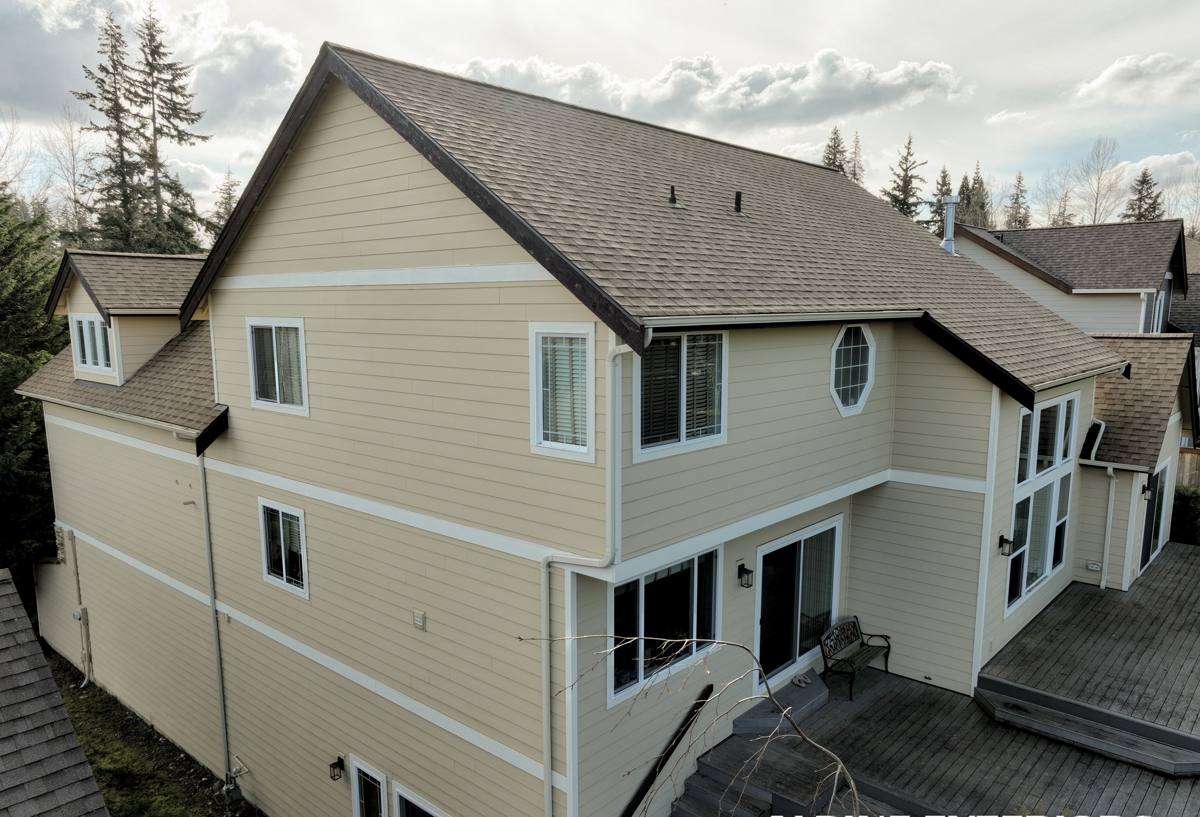
What "Custom" Actually Means on a Window Job
The word gets used loosely in this industry, so it's worth being specific about what it means when we say it.
Custom Sizing
Every opening on your home gets field-measured, not assumed from a floor plan. Frame width, height, depth, and squareness are checked individually, and the window is ordered to that exact opening rather than the nearest stock size. This matters most on older Osprey homes and additions where openings have shifted slightly over decades of heat cycling and humidity.
Custom Configuration
Single-hung, double-hung, casement, awning, picture, or a combination in one opening — the configuration should match how the room is used and how the wall performs structurally, not just what's cheapest to stock. Casement and awning windows, for example, seal tighter against wind-driven rain because the sash compresses against the frame rather than sliding past it, which is a real advantage in a bay-adjacent neighborhood like Osprey.
Custom Glass and Frame Spec
Impact rating, glass tint or Low-E coating, frame material, and hardware finish all get chosen for the specific exposure of that wall — a west-facing wall taking full afternoon sun doesn't need the same glass package as a shaded north wall.
The Building Code Reality in Sarasota County
Sarasota County sits in a High-Velocity Hurricane Zone-adjacent wind region under the Florida Building Code, and depending on your specific location and elevation in Osprey, your replacement windows will need to meet a defined design pressure rating and, in many cases, be impact-rated or paired with code-compliant protection. This isn't a suggestion — it's enforced through permitting, and it's also what your homeowner's insurance carrier will want documented.
A permit and product approval number aren't paperwork for paperwork's sake. They confirm the specific window model was tested to withstand the wind loads and large-missile impact standards required for this part of Florida. Installing a window that isn't rated for your wind zone, or installing a correctly rated window incorrectly, both leave you exposed in exactly the situation the code was written to prevent.
Our Installation Process
Getting a window job right in a coastal-influenced area like Osprey comes down to sequence and attention at each step, not just the product you buy.
- On-site assessment. We measure every opening individually, check for signs of existing water intrusion, moisture damage, or settling, and evaluate your home's specific wind exposure.
- Product and glass selection. We walk through frame material, glass package, and configuration options suited to each elevation of your home, not a one-size answer for the whole house.
- Permitting. We pull the required permit with the county and confirm the product approval documentation for the specific windows going in.
- Removal and opening prep. Old windows come out carefully, and we inspect the rough opening for rot, corrosion, or substrate damage before anything new goes in — a hidden problem sealed behind a new window doesn't stay hidden.
- Flashing and sealing. Proper flashing tape and sealant sequencing around the flange is what actually keeps wind-driven rain out — this step matters more than the window brand.
- Setting, shimming, and fastening. Custom sizing means minimal shimming, which means a tighter, more stable installation with less long-term settling.
- Final seal and inspection. Interior and exterior sealant is finished, hardware is tested, and the work is signed off against the permit.
Frame Material Comparison
Frame material is one of the biggest factors in how a window holds up against Osprey's salt air and heat, and it's worth understanding the trade-offs rather than defaulting to whatever's cheapest.
| Frame Material | Salt Air Performance | Maintenance | Typical Trade-Off |
|---|---|---|---|
| Vinyl | Good — won't corrode | Low; occasional cleaning | Can discolor or soften under intense long-term UV if lower-grade |
| Aluminum | Fair to good with proper coating | Moderate; watch for coating wear near the coast | Strong and slim sightlines, but bare aluminum can corrode in salt air over time |
| Fiberglass | Excellent — dimensionally stable, corrosion-resistant | Low | Higher upfront cost |
| Wood-clad | Poor without diligent upkeep | High; needs regular sealing/painting | Interior appearance appeal, but it's a real commitment in this climate |
We're generally cautious about recommending unclad wood exteriors this close to the water — it's not that the material is bad, it's that the maintenance schedule needed to keep it performing in salt air and Florida humidity is more demanding than most homeowners want to sign up for. If you want a wood look, a wood-interior/clad-exterior window gets you the appearance without exposing raw wood to salt air.
Glass and Coating Options
Impact-rated laminated glass is the baseline for wind protection, but the interlayer and coating choices affect comfort and energy cost year-round, not just during storm season.
- Low-E coatings reduce solar heat gain, which matters directly on west- and south-facing Osprey walls catching full Florida sun for most of the day.
- Tinted or reflective laminate interlayers cut glare and UV transmission, which slows fading of interior floors, furniture, and finishes.
- Impact-rated laminated glass keeps the glass bonded to an interlayer even if the outer pane cracks under wind-borne debris, which is what prevents a full breach of the opening.
- Insulated (dual-pane) impact glass adds an air gap for better thermal performance, worth it if energy cost is a priority alongside wind protection.
What Drives Cost on a Custom Window Job
| Factor | Why It Moves the Price |
|---|---|
| Opening size and quantity | Larger openings and whole-house replacement scale cost directly |
| Impact rating / design pressure | Higher-rated glass and reinforced frames cost more than standard glazing |
| Frame material | Fiberglass and premium vinyl run higher than basic vinyl or aluminum |
| Configuration complexity | Casement, bay, and custom shapes cost more than standard single/double-hung |
| Opening condition | Rot, corrosion, or out-of-square framing found during removal adds repair scope |
| Permit and code requirements | Wind zone and elevation can require higher-rated products than a similar home a few miles away |
Broad ranges vary a lot by these factors — we'll give you an actual number for your home during a walkthrough rather than a rough figure that doesn't reflect your specific openings, wind exposure, and glass choice.
Signs Your Current Windows Are Due for Replacement
- Fogging or a hazy film between panes — the seal has failed and the insulating gas is gone
- Visible frame corrosion, pitting, or chalky residue on aluminum frames
- Difficulty opening, closing, or locking — a sign the frame has shifted or warped
- Soft, discolored, or damp drywall/trim around the window after heavy rain
- Noticeable outside noise or a draft you can feel with the window closed
- Visible gaps between the frame and the wall, or cracked/missing exterior sealant
- Windows that predate current Florida Building Code wind requirements for your area
Why Local Experience in Osprey Specifically Matters
A crew that already works this part of Sarasota County knows the practical realities that don't show up in a spec sheet: which older Osprey subdivisions tend to have settled framing, how humidity and salt exposure typically show up first on a window that's failing, and what the county permitting office actually wants to see on a submission before it gets kicked back for revision. That local pattern recognition shortens the process and reduces surprises mid-job.
It also matters for accountability. A local, licensed and insured crew is reachable after the job is done — for a warranty question, a follow-up seal check after the first big storm season, or a permit closeout issue. That's a different relationship than a traveling crew that's out of the area by the time any of that comes up.
Living With Your New Windows
Custom-installed, properly rated windows are low-maintenance, but "low" isn't "none." A quick seasonal check protects the investment:
- Rinse frames and glass periodically to clear salt residue, especially on homes closer to the water
- Inspect exterior sealant lines once or twice a year and after major storms for cracking or separation
- Operate hardware (locks, cranks, latches) a few times a year to keep mechanisms from seizing
- Clear weep holes on the exterior sill track so water can drain instead of pooling
- Watch for interior condensation between panes — it's the earliest sign of a seal starting to fail
If you're weighing a window replacement or repair for a home in Osprey, we're glad to walk the property, look at your specific openings and exposure, and put together a straightforward, no-pressure estimate — just fill out the form below to get started.