 Sarasota Siding
 New Roof Installation Built for Osprey's Coastal Climate
Osprey sits in unincorporated Sarasota County, tucked between Sarasota and Venice along the Gulf coast, and homes here take a beating that inland Florida properties never see. A new roof installed in Osprey has to hold up against hurricane-force wind gusts, months of intense UV exposure, wind-driven rain that finds every weak seam, and a steady drift of salt air off the Intracoastal Waterway and Gulf. A roof system that would be perfectly adequate in a landlocked county can fail early here if it wasn't designed and installed with those specific stresses in mind.
This page covers what a correct new roof installation looks like for an Osprey home, the decisions that actually matter, and why local experience changes the outcome.
What Sarasota County's Climate Does to a Roof
Wind
Sarasota County sits in a designated high-wind zone under the Florida Building Code, and Osprey's proximity to open water means gusts during tropical systems and even routine summer storms can exceed what many roofs were built to handle decades ago. Wind doesn't just tear shingles off — it gets underneath them at edges, ridges, and hips, and once it has a foothold it can peel a roof system in sections.
UV and Heat
Year-round sun exposure breaks down asphalt oils in shingles, dries out sealant strips, and accelerates the aging of underlayment faster than in most of the country. A roof that would last 25 years in a milder climate often shows granule loss and brittleness well before that mark here.
Wind-Driven Rain
Florida storms rarely arrive straight down. Wind-driven rain gets pushed sideways and even upward under eaves, around flashing, and through any gap in the underlayment or fastening pattern. A roof can look intact from the ground and still be letting water into the deck.
Salt Air
Being close to the water means airborne salt settles on roofing materials and metal components continuously. Salt accelerates corrosion on exposed fasteners, flashing, and metal accessories, which is why material and hardware choices near the coast deserve more attention than they would further inland.
Signs an Osprey Home Needs a New Roof, Not Another Repair
- Granules collecting in gutters or at downspout outlets, indicating the shingle surface is wearing through
- Shingles that are curling, cupping, or cracking, especially on the south and west-facing slopes that take the most sun
- Soft spots, sagging, or spongy decking felt underfoot during an inspection
- Repeated leaks in different locations after storms, rather than one isolated spot
- Visible daylight through the attic deck or staining on interior ceilings after wind-driven rain events
- A roof approaching or past 18-20 years old with no wind mitigation upgrades, which affects both performance and insurance premiums
- Missing or lifted ridge cap shingles after any wind event, a common early failure point in this area
Age alone isn't the only factor — a well-installed roof with proper ventilation and fastening can outperform a poorly installed newer one. That's why the installation itself matters as much as the material.
What a Correct New Roof Installation Actually Involves
Full Tear-Off, Not an Overlay
Installing new shingles over an existing layer hides problems instead of solving them. A proper installation removes the old roof completely so the deck can be inspected and any damaged or delaminated plywood can be replaced before anything new goes down.
Deck Inspection and Repair
The roof deck is the structural base everything else relies on. Soft, rotted, or water-damaged sections need to be cut out and replaced with matching thickness plywood, properly fastened, before underlayment goes on. Skipping this step is one of the most common causes of early roof failure.
Underlayment Built for Wind-Driven Rain
A synthetic or self-adhering underlayment system, installed with the correct overlap and fastening pattern, is the roof's real waterproofing layer. In a coastal, wind-driven-rain climate like Osprey's, this layer needs to be continuous and properly sealed at penetrations, not just a formality under the shingles.
Flashing at Every Transition
Valleys, chimneys, skylights, sidewalls, and roof-to-wall transitions are where most leaks start. Correct flashing — properly lapped, sealed, and integrated with the underlayment — is not optional trim work; it's the difference between a roof that sheds wind-driven rain and one that channels it inside.
Wind-Rated Fastening
Nailing pattern and fastener count matter as much as the shingle product itself. Florida Building Code sets minimum requirements for high-wind zones, and following the manufacturer's high-wind nailing specification (rather than the standard pattern) is what actually earns a shingle's rated wind resistance in the field.
Ventilation
Proper intake and exhaust ventilation keeps attic temperatures and moisture in check, which protects the deck, extends shingle life under constant UV exposure, and helps prevent the kind of trapped heat that accelerates material breakdown.
Roofing Material Options for Osprey Homes
There's no single "right" material for every home — it depends on budget, roof shape, HOA requirements where they apply, and how long you plan to stay in the home. Here's an honest comparison of the main options we install locally.
| Material | Typical Wind Rating | Expected Lifespan (Coastal) | Maintenance |
|---|---|---|---|
| Architectural Asphalt Shingle | Up to 130 mph with proper installation | 18-25 years | Periodic inspection, moderate |
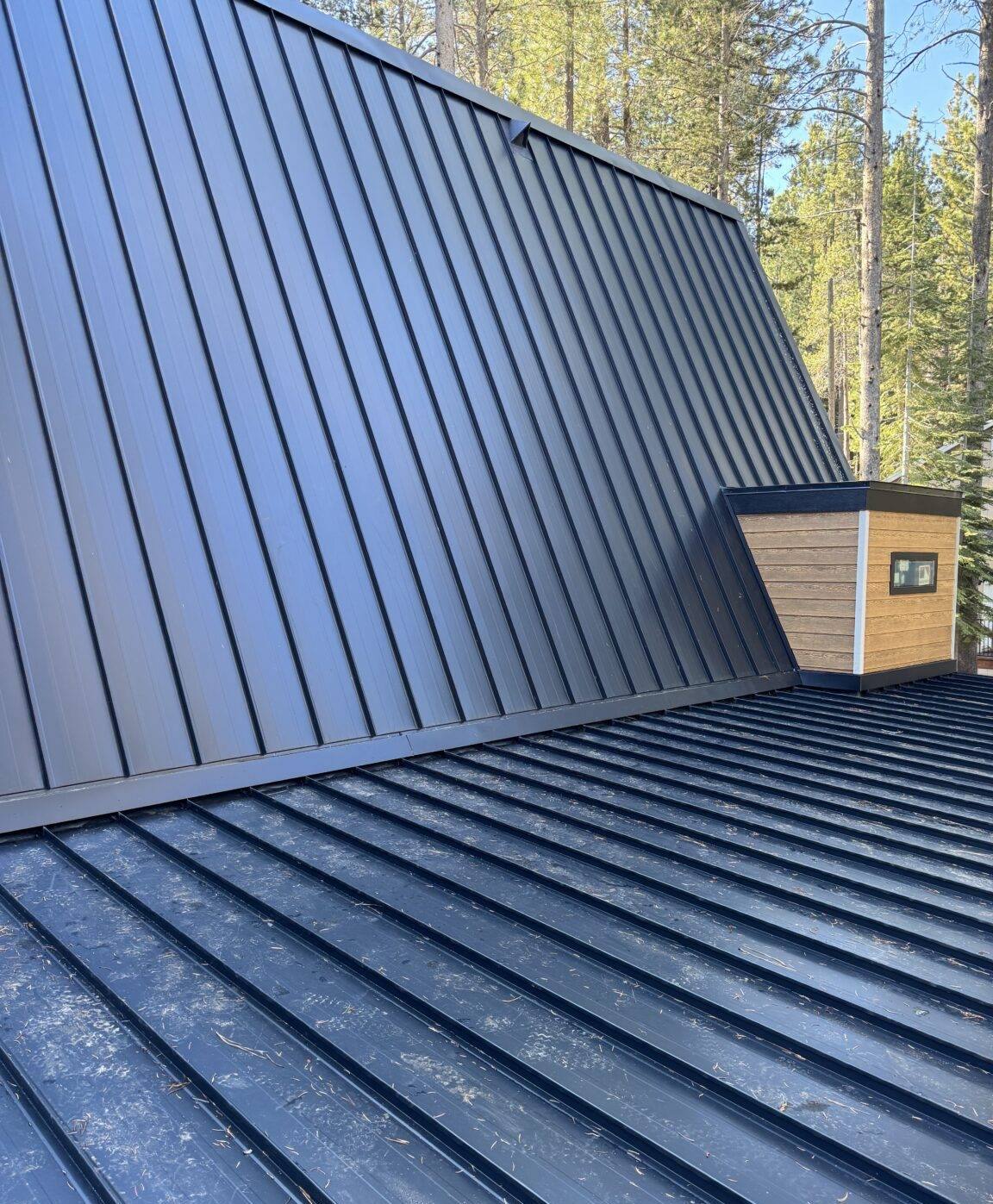
| Standing Seam Metal | 140+ mph rated systems available | 40-50 years | Low, but fastener/sealant checks near coast |
| Concrete or Clay Tile | High wind resistance when properly fastened | 40-50+ years | Underlayment is the wear item; tile itself is durable |
We'll walk through the honest trade-offs for your specific home and budget rather than pushing one product — the right choice depends on your roof's shape, attic ventilation, and how you weigh upfront cost against long-term maintenance.
How Our Installation Process Works
- On-site inspection: We assess the existing roof, deck condition, ventilation, and flashing details before quoting anything.
- Written estimate: A clear scope of work and material selection, with straightforward pricing — no vague allowances.
- Permitting: We pull the required Sarasota County roofing permit before work begins, as required by Florida law for roof replacements.
- Tear-off and deck inspection: Old roofing is fully removed and the deck is inspected board by board, with damaged sections replaced.
- Underlayment and flashing installation: Applied to manufacturer and code specifications for high-wind, wind-driven-rain conditions.
- Roofing material installation: Installed with the correct high-wind fastening pattern for your chosen product.
- Final inspection: Both our own quality walk-through and the county inspection required to close out the permit.
- Cleanup: Full site cleanup, including a magnetic sweep for stray nails and debris removal.
Permitting, Wind Mitigation, and Insurance
Every roof replacement in Sarasota County requires a permit and a final inspection — this isn't optional paperwork, it's what confirms the work meets the Florida Building Code's high-wind provisions. A new roof is also the right time to have a wind mitigation inspection performed. That report documents things like roof shape, deck attachment, and roof-to-wall connections, and it's what your insurance carrier uses to calculate windstorm premium discounts. Many homeowners see a meaningful reduction in their insurance costs after a code-compliant new roof and updated wind mitigation report, though the exact discount depends on your carrier and policy.
Why Hiring a Crew That Already Works in Osprey Matters
Permitting timelines, inspection expectations, and code requirements vary by jurisdiction, and Sarasota County has its own process that a crew working here regularly already understands. Beyond paperwork, local experience means knowing how coastal salt exposure affects fastener and flashing choices in Osprey specifically, understanding the wind-driven rain patterns common to this stretch of coast, and having already handled the deck conditions typical of homes in this area's age range. A crew that shows up once from out of the area doesn't carry that context — and roofing is one trade where local familiarity directly affects how the finished roof performs during the next storm season.
Protecting Your Investment After Installation
- Schedule a visual roof inspection each spring, before hurricane season, and after any major storm
- Keep gutters and downspouts clear so water isn't forced under the roof edge
- Trim back overhanging tree limbs that can abrade shingles or drop debris in wind
- Check attic ventilation isn't blocked by insulation, which traps heat and moisture
- Address any lifted shingles or displaced flashing promptly rather than waiting for the next storm
- Keep copies of your permit, wind mitigation report, and material warranty together for insurance purposes
What Affects the Cost of a New Roof in Osprey
| Factor | Why It Matters |
|---|---|
| Roof size and pitch | More surface area and steeper slopes increase material and labor time |
| Deck condition | Rotted or damaged plywood discovered during tear-off adds replacement cost |
| Material selection | Asphalt, metal, and tile carry different upfront costs and lifespans |
| Roof complexity | Valleys, dormers, and multiple penetrations add labor and flashing detail |
| Wind rating and underlayment upgrade | Higher-rated systems cost more upfront but factor into insurance savings |
We provide a clear, itemized estimate after the on-site inspection so you know exactly what you're paying for and why — no generic per-square pricing without context for your specific roof.
If your Osprey home needs a new roof, or you're not sure whether a repair will actually hold through the next storm season, we're happy to take a look. Reach out for a free, no-pressure estimate using the form below.