 Sarasota Siding
 Osprey Sits Right Where Florida's Weather Gets Serious
Osprey is one of those Sarasota County communities where the Gulf is never far away, whether you're a few blocks from the water or further inland toward US-41. That proximity is part of why people live here, but it's also why windows in Osprey take more punishment than windows almost anywhere else in the country. Between hurricane-force wind events, wind-driven rain that gets pushed sideways into wall assemblies, salt-laden air that corrodes hardware and finishes, and UV exposure that runs at full intensity nearly year-round, a window installation here isn't a cosmetic upgrade. It's a structural component of how your home handles Florida weather.
We work on homes throughout the Sarasota County area, and Osprey comes with its own set of patterns: a mix of older homes with original single-pane or early-generation replacement windows, newer construction built to more recent Florida Building Code requirements, and everything in between. A window that was installed correctly for a Midwest climate, or even installed poorly for this one, tends to show its problems here faster — fogged glass, stuck sashes, soft framing, and leaks that show up during the first real storm.
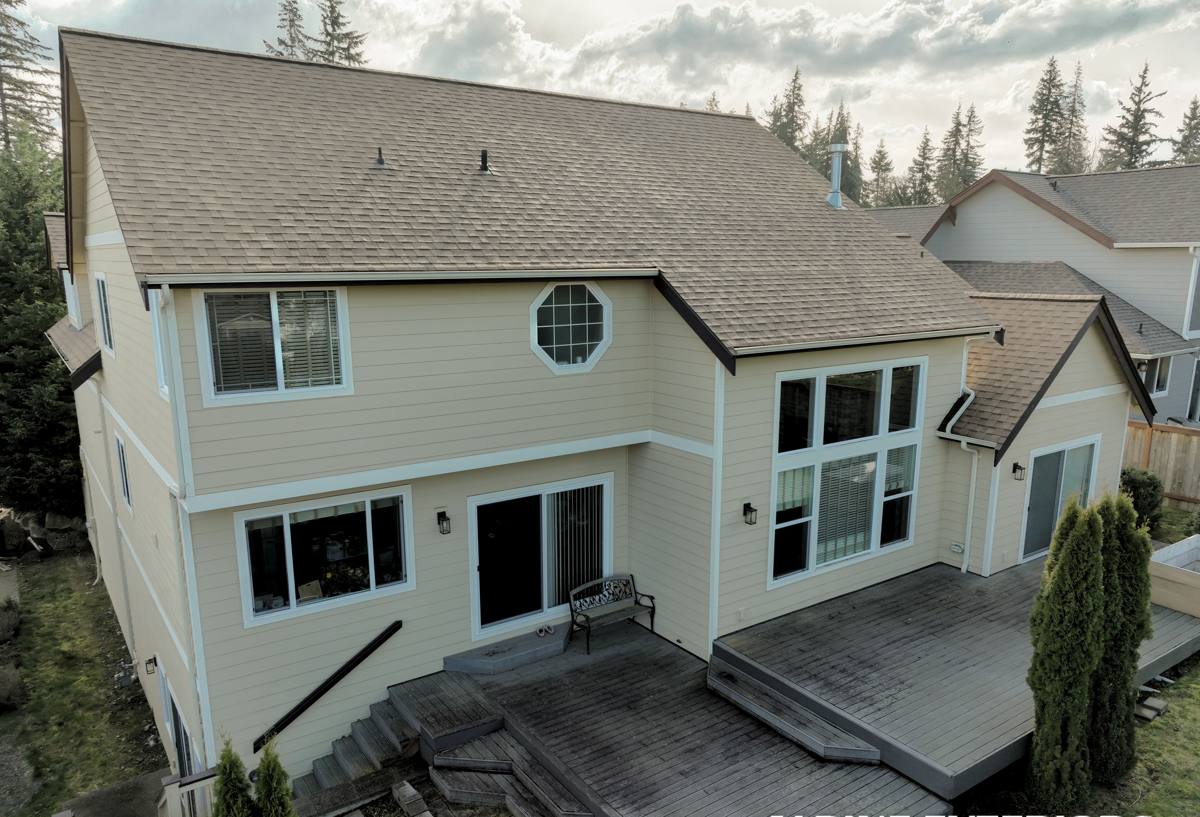
What "Correct" Window Installation Actually Means
Anyone can pull an old window out and set a new one in the opening. Doing it correctly, in a way that holds up to coastal wind and rain, is a different job with several steps that don't show up in a quick estimate but matter enormously over the life of the window.
Flashing and the Sill Pan
Water management starts before the window ever goes in. The rough opening needs a properly lapped flashing sequence — sill pan first, then jambs, then head flashing — installed so that any water that gets past the window sheds outward and down, never inward into the wall cavity. Skipping or shortcutting this step is one of the most common causes of hidden rot behind window openings in this part of Florida, and it's invisible from the outside until the damage is already done.
Fastening to Florida Building Code
Every window installed in our wind zone has to be fastened according to the manufacturer's Florida Product Approval or Notice of Acceptance (NOA), which specifies fastener type, spacing, and embedment for that specific product and opening size. This isn't a suggestion — it's what the window's wind rating is actually tested against. Installing the right window with the wrong fastening pattern gives you a window that looks compliant but isn't.
Sealing Without Trapping Moisture
Sealant matters, but so does knowing where not to seal. A correctly installed window allows any incidental water that gets past the exterior seal to drain back out rather than getting trapped in the frame or wall assembly. That means using compatible, weather-rated sealants at the right joints and leaving designed weep paths open — not caulking every visible gap solid, which is a shortcut that can do more harm than good.
Impact-Rated Windows vs. Standard Windows With Shutters
In our wind-borne debris region, every opening needs either an impact-rated window or an approved separate protection system, like accordion or panel shutters, in order to meet code. Homeowners in Osprey usually end up weighing impact-rated windows against standard windows paired with shutters. Both can be code-compliant, but they behave very differently day to day.
| Factor | Impact-Rated Windows | Standard Windows + Shutters |
|---|---|---|
| Storm prep | None needed — protection is built in | Must deploy shutters before every storm |
| Everyday noise reduction | Noticeably quieter (laminated glass) | No change from standard glass |
| UV and heat performance | Laminated glass blocks significant UV | Depends on glass package chosen |
| Upfront cost | Higher per opening | Lower window cost, added shutter cost |
| Long-term maintenance | Glass and frame only | Shutters need hardware upkeep, storage or mounting |
| Curb appeal | No visible hardware | Shutter tracks/panels visible year-round or during storms |
There's no universal right answer — some homeowners like having shutters as a visible, deployable layer of protection, while others prefer never having to think about storm prep at all. We'll walk through both honestly based on your budget, your home's exposure, and how the openings are used.
Our Installation Process, Start to Finish
- On-site assessment. We inspect existing openings, check for hidden rot or prior water intrusion, and measure each window individually — older Osprey homes are rarely perfectly square.
- Product selection. We go over frame material, glass package, and impact rating options based on your home's exposure and your budget, and confirm the product's Florida Product Approval for our wind zone.
- Permitting. Window replacement in Sarasota County requires a permit in most cases. We handle the application and schedule the required inspections so you don't have to chase paperwork.
- Removal. Old windows come out carefully, and we inspect the exposed opening for framing damage or moisture issues before anything new goes in.
- Opening prep and flashing. Any soft or damaged framing gets addressed, then the sill pan and flashing sequence goes in before the new window.
- Setting and fastening. The window is shimmed level, plumb, and square, then fastened per the manufacturer's approved schedule — not a generic pattern.
- Sealing and insulating. Low-expansion foam or backer rod fills the gap around the frame, and exterior sealant is applied at the correct joints only.
- Trim and finish. Interior and exterior trim is reinstalled or replaced to match, and the opening is cleaned up.
- Inspection and walkthrough. We schedule the final county inspection and walk the completed work with you before calling the job done.
Signs Your Current Windows Are Failing the Coastal Test
Most homeowners don't think about their windows until something goes wrong, but there are earlier signs worth acting on before a window failure turns into a bigger repair.
- Fogging or a visible haze between panes — the seal on the insulated glass unit has failed
- Windows that are hard to open, close, or lock, especially after humid stretches
- Visible corrosion or pitting on hardware, tracks, or hinges from salt air exposure
- Soft or discolored framing or drywall around the window after heavy rain
- Noticeable outside noise or drafts that weren't there when the home was newer
- Chalky, faded, or brittle exterior frame finish from sustained UV exposure
- Visible daylight or gaps around the sash when the window is fully closed
Any one of these on its own might not be urgent, but a home with several of these signs across multiple windows is usually a home where the original installation or the windows themselves are past their useful life for this climate.
Frame Materials That Hold Up Near the Gulf
Frame material choice matters more here than in most parts of the country because of the combination of salt air, humidity, and UV. Vinyl frames are a common, cost-effective choice and resist corrosion entirely since there's no metal to pit or rust, though quality varies a lot between manufacturers and lower-end vinyl can become brittle over time under constant UV. Aluminum frames are strong and slim-profile, which some homeowners like for the sightlines, but they need a quality finish and proper isolation from dissimilar metals to resist corrosion near the coast. Fiberglass and composite frames tend to hold dimensional stability and finish the longest in this climate, at a higher price point. We'll talk through what makes sense for your home rather than pushing one material as the only option — the right choice depends on your budget, your home's style, and how close you are to salt exposure.
Permits, Product Approval, and Why We Don't Skip Them
It's tempting to see permitting and product approval documentation as red tape, but in a coastal wind zone it's the paper trail that proves your windows were actually tested and installed to withstand the conditions they're rated for. Every window we install for Sarasota County homes carries documented Florida Product Approval or Miami-Dade NOA for the specific size and configuration in your opening, and we pull the required permit rather than working around it. Skipping the permit might save a few days upfront, but it can create real problems later — at resale, with insurance claims after a storm, or if the work has to be inspected retroactively. We'd rather do it right the first time than have a homeowner find out the hard way that unpermitted work isn't covered when it matters most.
Why a Crew That Already Works Osprey Is Different
Window installation isn't one-size-fits-all across Sarasota County. A crew that already works in Osprey knows the kind of housing stock in the area, has already dealt with the county's permitting and inspection process, and has a feel for how exposure varies between homes closer to the water and those further inland. That local familiarity shortens the learning curve on your project — fewer surprises during the assessment, a more accurate first estimate, and a crew that isn't guessing at what your particular opening or framing type needs. It also means we're not disappearing after the install; we're a call away if a question comes up after the first big storm rolls through.
What to Check Before You Hire
- Florida contractor license, current and in good standing
- General liability and workers' compensation insurance, verifiable on request
- Willingness to pull the permit themselves rather than asking you to do it
- Florida Product Approval or NOA documentation for the specific windows quoted
- A written proposal that specifies frame material, glass package, and impact rating — not just "windows"
- Manufacturer warranty terms and who handles registration
- A clear answer on flashing and sealing methods if you ask about them
If a contractor can't answer questions about product approval or flashing method without hesitation, that's worth noting before you sign anything.
Ready to Talk About Your Windows?
If your Osprey home has windows that are fogging, sticking, showing wear from salt air and sun, or simply due for an upgrade to something built for this climate, we're happy to take a look and give you an honest assessment. Reach out for a free, no-pressure estimate using the form below.