 Sarasota Siding
 Why Siesta Key Roofs Wear Out Faster Than Roofs Inland
A roof on Siesta Key does not live the same life as a roof twenty miles inland. Being surrounded by the Gulf of Mexico and Sarasota Bay means the shingles up there deal with salt-laden air every single day, not just during a storm. That salt air accelerates corrosion on fasteners, flashing, and vent metal, and it settles into the granules on the shingle surface over time. Add in near-constant Florida UV exposure, afternoon downpours that come in sideways on windy days, and the real possibility of hurricane-force gusts during the season, and you have a roofing environment that is genuinely tougher than most of the state.
None of that means asphalt shingles are the wrong choice for a barrier island home. It means the shingle, the underlayment, the fasteners, and the installation details all have to be selected and installed with that environment in mind. A roof that would hold up fine in Sarasota's inland suburbs can fail early on Siesta Key if it was built to a generic standard instead of a coastal one.
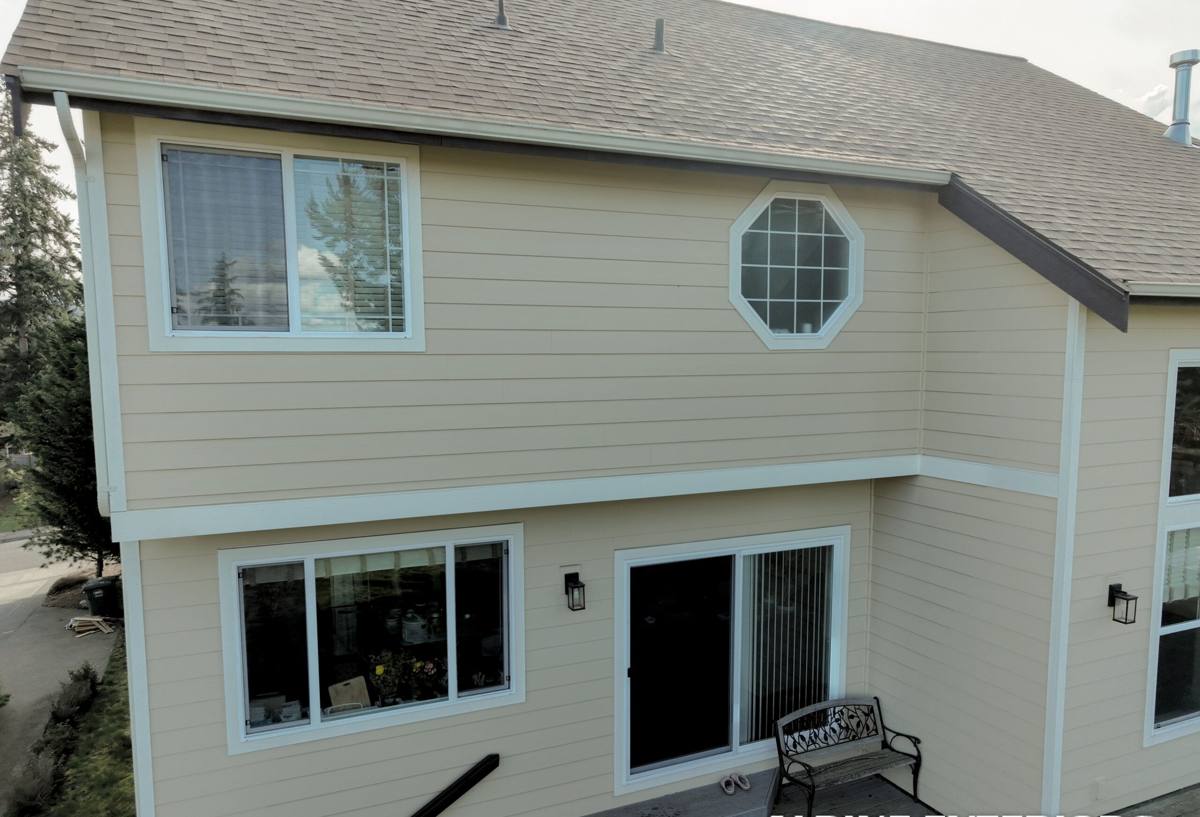
What a Correctly Built Shingle Roof Needs Here
Wind Rating and Shingle Class
Standard 3-tab shingles are rated for lower wind speeds and tend to be the first thing to lift or lose tabs when gusts pick up. On Siesta Key we generally steer clients toward architectural (laminate) shingles rated for higher wind speeds, and toward Class 4 impact-rated shingles where the added durability and potential insurance credit make sense for the home. The right choice depends on the roof's slope, exposure, and your budget — we walk through that honestly rather than upselling the most expensive option by default.
Underlayment as a Second Line of Defense
Shingles are the first layer of protection, not the only one. Florida's building code requires a sealed, water-resistant underlayment system on coastal roofs so that if wind ever lifts or damages shingles during a storm, the deck underneath stays dry until repairs can be made. We use synthetic or self-adhered underlayment systems that seal around fastener penetrations, which matters far more here than it would on a roof that never sees driving rain.
Fasteners and Flashing That Won't Corrode
This is where a lot of roofs near the water fail early, and it's rarely the shingle's fault. Standard electro-galvanized nails and mill-finish steel flashing corrode faster in salt air, and once a fastener rusts and loses its grip, the whole system is weaker in the next storm. Our standard for barrier island jobs is corrosion-resistant fasteners and flashing metals suited to a marine environment, even when it costs a bit more up front. It's a maintenance and longevity decision, not a cosmetic one.
Ventilation
Intense year-round sun bakes an attic, and poor ventilation traps that heat against the underside of the deck, which shortens shingle life from below while the sun works on it from above. A correct installation includes enough intake and exhaust ventilation to let that heat escape, which protects both the roof and your cooling bills.
Signs a Siesta Key Roof Needs Attention
Salt air and sun exposure often show their effects before a leak ever appears indoors. Worth checking for, or asking us to check for:
- Granules collecting in gutters or at downspout outlets, which signals shingle surface wear
- Curling, cupping, or cracked shingles, especially on the sides of the roof that face the water
- Rust streaking below flashing, vents, or nail heads
- Shingle tabs that look lifted or loose after windy weather, even without a full storm
- Soft spots or discoloration on interior ceilings near exterior walls
- Visible daylight or gaps around flashing at chimneys, skylights, or wall intersections
- A roof approaching 15-20 years old that has never had a full inspection
Shingle Options Compared for Barrier Island Homes
| Shingle Type | Wind Rating | Typical Warranty | Best Fit |
|---|---|---|---|
| 3-Tab Strip | Lower wind rating | Budget-driven projects on sheltered roof sections | |
| Architectural (Laminate) | Higher wind rating, most common choice today | Longer material warranty | Most Siesta Key homes; balance of cost, look, and durability |
| Impact-Rated Class 4 Architectural | Highest wind and impact resistance | Longer warranty, often with enhanced coverage | Full sun/wind exposure roofs, homes chasing insurance credits |
We'll size this decision to your actual roof — a home tucked among mature landscaping doesn't need the same spec as one standing exposed near open water.
Our Installation Process
- Inspection and honest assessment. We look at the deck, existing ventilation, flashing, and any storm or salt damage before recommending a repair versus a full replacement.
- Written scope and material selection. You get a clear breakdown of shingle class, underlayment system, and fastener/flashing spec before any work starts — no surprises mid-project.
- Permit and code compliance. We pull the required Sarasota County permit and build to the current Florida Building Code wind and water-barrier provisions for our coastal wind zone.
- Tear-off and deck check. Old material comes off and the deck is inspected for rot or soft spots before anything new goes down — covering a bad deck is not something we do.
- Underlayment, flashing, and shingle installation. Sealed underlayment, corrosion-resistant flashing, and shingles installed to the manufacturer's high-wind nailing pattern, not the standard pattern.
- Ventilation check. Intake and exhaust ventilation confirmed or corrected as part of the job, not treated as an afterthought.
- Final walkthrough and cleanup. Site cleared of debris and nails, and we walk the finished roof with you.
Permits, Wind Zones, and Insurance
Sarasota County sits within Florida's wind-borne debris region, which means coastal roofing work here has to meet stricter wind-uplift and sealed-roof-deck requirements than roofs built well inland. A permitted, code-compliant install is not optional paperwork — it directly affects how the roof performs in a storm and how your insurance carrier treats the home afterward. Many carriers offer premium credits for wind mitigation features like proper fastening, secondary water barriers, and impact-rated materials, but only if the work is documented and inspected properly. We handle the permit and can point you toward getting a wind mitigation inspection done once the new roof is in.
Cost Factors to Expect
| Factor | Why It Moves the Price |
|---|---|
| Roof size and pitch | More surface area and steeper slopes mean more material and labor time |
| Shingle class chosen | Impact-rated and higher-wind shingles cost more per square than standard architectural |
| Deck condition | Rotted or soft decking found at tear-off requires repair before shingles go down |
| Number of penetrations | Chimneys, skylights, and vents each add flashing labor |
| Access and site logistics | Narrow lots, tight setbacks, or HOA/condo staging rules common on the Key can add time |
We don't quote from a distance — an in-person look at your roof is how we give you a number you can actually rely on.
Why a Crew That Already Works Siesta Key Matters
Barrier island jobs come with logistics that don't exist on a mainland Sarasota street: narrow roads, limited staging space, condo or HOA rules about work hours and dumpster placement, and bridge traffic that affects how a crew schedules material delivery and disposal. A crew that already works this area knows how to plan around all of that so your project doesn't stall out on logistics.
There's also a materials-knowledge piece to it. Contractors who mostly work inland don't always default to corrosion-resistant fasteners and flashing, because they don't need to. On Siesta Key, that's not optional — it's the difference between a roof that looks fine for a few years and one that actually holds up under daily salt exposure. Local experience means we're not learning these lessons on your roof.
Maintenance That Extends the Roof's Life
An asphalt shingle roof on Siesta Key isn't a set-it-and-forget-it system. A little attention goes a long way:
- Rinse accumulated salt residue and debris off the roof periodically rather than letting it sit
- Keep gutters and downspouts clear so water doesn't back up under shingle edges
- Trim back overhanging branches to reduce abrasion and debris buildup
- Have the roof looked at after any significant named storm, even if nothing looks obviously wrong
- Schedule a professional inspection every couple of years rather than waiting for a leak
If you're weighing a repair versus a full replacement, or just want an honest read on how much life is left in your current shingles, we're happy to take a look. The estimate is free, there's no pressure, and you'll get a straight answer about what your Siesta Key home actually needs — use the form below to get started.