 Sarasota Siding
 New-Construction Windows for Siesta Key Homes
Siesta Key sits about as close to the Gulf as a Florida home can get, and that proximity shapes every decision that goes into a new-construction window package. Whether you're building a new home from the slab up, adding a room, or gutting a property down to the studs for a full rebuild, the windows you choose and how they're installed will determine how that home performs for the next 20-plus years. This isn't a swap-out job — new-construction windows are installed into open rough openings with a nailing fin, integrated into the home's water management system, and tied into the structure before the exterior finish goes on. Get that sequence right and the house is dry, quiet, and storm-ready. Get it wrong and you're chasing leaks and soft framing a few years down the road.
We work new-construction and full-gut projects throughout Sarasota County, and Siesta Key jobs come with their own set of considerations — barrier island wind exposure, direct salt air, and permitting that reflects the flood zones and wind-borne debris requirements common to the key. This page covers what that actually means for your project.
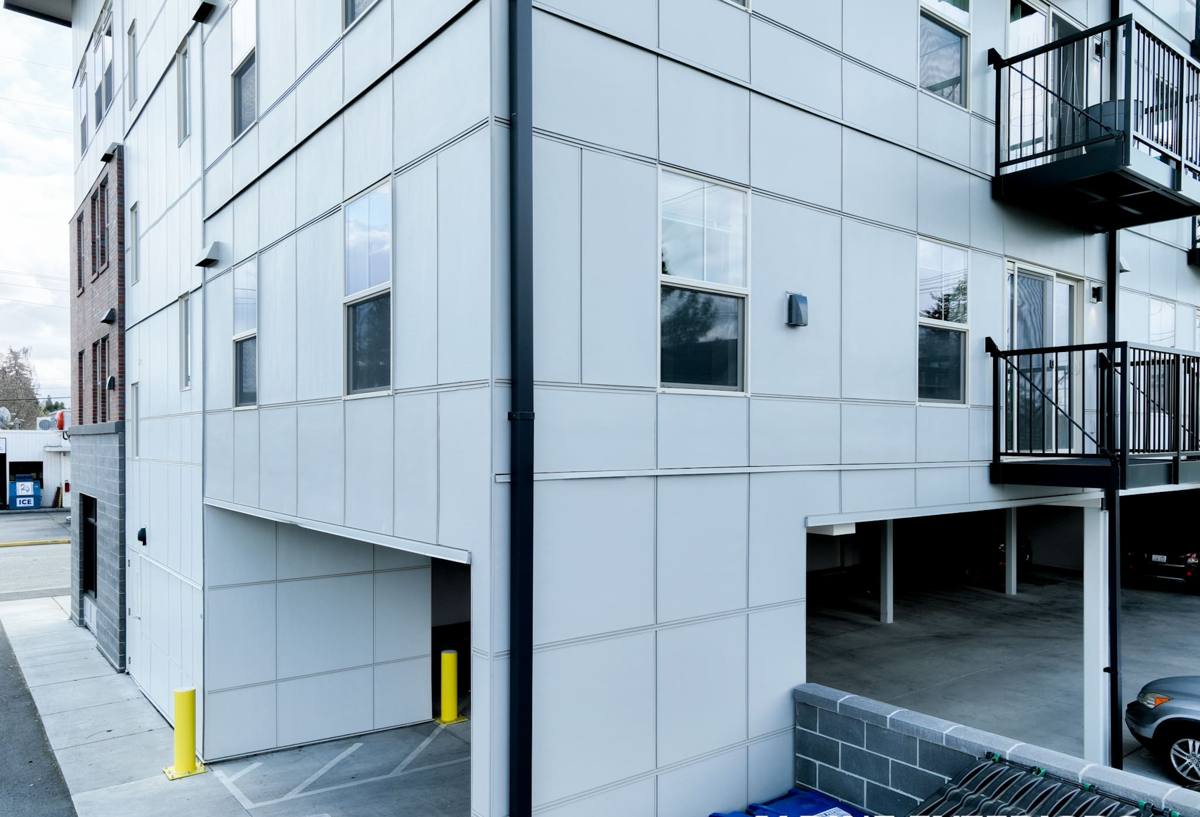
What Siesta Key's Climate Demands from New Windows
Every coastal Sarasota property deals with heat and humidity, but a barrier island location adds a few extra layers most inland builds don't have to think as hard about.
Salt Air and Corrosion
Siesta Key homes sit close enough to the Gulf that airborne salt reaches window hardware, frames, and fasteners routinely — not just during storms. Over time, salt exposure accelerates corrosion on cheap hardware, pits untreated aluminum, and degrades finishes that weren't rated for a marine-adjacent environment. New-construction is the right time to spec frame materials, hinges, locks, and fasteners that are built for it, because retrofitting corrosion-resistant hardware later means pulling trim and possibly the window itself.
Hurricane-Force Wind and Wind-Borne Debris
Sarasota County enforces wind-borne debris region requirements, and Siesta Key's exposure means the wind loads engineers calculate for new construction here are often higher than what you'd see a few miles inland. Every new window needs a documented design pressure (DP) rating that matches your specific elevation, exposure category, and the county's wind zone map — this isn't a one-size-fits-all number, and it's set by your engineer or architect, not guessed at.
UV Exposure
Florida sun is intense nearly year-round, and it's harder on materials than most homeowners expect. UV breaks down cheap vinyl, fades interior finishes, and degrades sealants and gaskets faster than in northern climates. Low-E glass coatings and UV-stable frame materials matter more here than in a lot of the country — this is a durability issue, not just a comfort one.
Wind-Driven Rain
Wind-driven rain during tropical systems and even routine summer storms pushes water sideways and upward against a building envelope in ways vertical rain never does. New-construction windows have to be flashed and integrated with the wall's water-resistive barrier correctly, or wind-driven rain finds every gap. This is one of the most common sources of hidden water damage in coastal Florida construction, and it's almost always an installation issue, not a product defect.
What a Correct New-Construction Window Job Involves
New-construction window installation is a sequencing job as much as a products job. The window itself matters, but the flashing, integration with the wall assembly, and structural attachment are what actually keep water and wind out.
- Rough openings framed and squared to the window manufacturer's specified tolerances before any window arrives on site
- Sill pan flashing installed to direct any water that gets past the window back outside the wall assembly, not into the framing
- Window units with a documented, engineer-matched design pressure (DP) rating and current Florida Product Approval or Miami-Dade NOA where required
- Nailing fins integrated with the house wrap or water-resistive barrier in the correct shingle-lap sequence — top last, so water always sheds outward and downward
- Fasteners and anchoring that meet the structural attachment schedule called out in the engineering, not just "enough screws to hold it"
- Sealant compatible with both the window frame material and the wall assembly — not just whatever caulk is on the truck
- Interior and exterior trim details that don't trap moisture against the frame
- Final inspection sign-off before insulation, drywall, or exterior finish covers the work
Skipping or rushing any one of these steps is how a brand-new home ends up with a moisture problem inside its first few years. Because new-construction windows get built into the wall assembly and then covered up, the installation quality is largely invisible after the fact — which is exactly why it has to be done right the first time.
Frame Material and Glass Options
For new construction, you're choosing frame material and glass package from scratch, which gives you more control than a retrofit ever would. The right choice depends on your budget, the home's exposure, and your engineer's wind requirements.
| Frame Material | Coastal Performance | Maintenance | Typical Fit |
|---|---|---|---|
| Impact-rated vinyl | Good UV and salt resistance when properly rated; won't corrode | Low — no painting or refinishing | Budget-conscious builds, additions |
| Aluminum (coastal-rated) | Strong for large openings and high DP ratings; needs a marine-grade finish to resist salt corrosion | Moderate — finish quality matters long-term | Larger openings, contemporary designs |
| Fiberglass | Very stable in heat and UV, low expansion/contraction, resists corrosion | Low | Higher-end builds, premium finishes |
| Wood/wood-clad | Needs the most protection from humidity and salt air; requires a well-maintained exterior clad or paint system | Highest — regular upkeep required near the coast | Historic or high-end interior aesthetics, used selectively |
On glass, impact-rated laminated glass with a Low-E coating is the standard we recommend for Siesta Key new construction. It handles wind-borne debris requirements, cuts UV transmission that fades interiors and degrades finishes, and reduces heat gain — which matters for cooling costs given how many months of the year Sarasota County runs air conditioning. Impact glass also carries the added benefit of reducing outside noise, which matters near busier corridors on the key.
Impact-Rated vs. Non-Impact: What New Construction Actually Requires
In Sarasota County's wind-borne debris region, new-construction windows generally need to either be impact-rated or paired with code-compliant shutters or protective covering. For most Siesta Key builds, we recommend impact-rated glass as the primary strategy rather than relying on shutters, for a few practical reasons: impact windows protect the home whether or not anyone is there to deploy shutters before a storm, they don't require storage space or seasonal installation, and they hold up to the day-to-day debris risk of severe summer thunderstorms, not just named storms. Shutters still have a place in some designs, but for a new build, baking storm protection into the glass itself is usually the more reliable long-term approach. Your architect or engineer will confirm what your specific plans require based on wind zone and exposure category.
Our New-Construction Process on Siesta Key
1. Plan Review and Product Selection
We review architectural plans and engineering specs before ordering anything. Window sizes, DP ratings, and product approvals need to match what the engineer calculated for your specific lot and elevation — not a generic package.
2. Coordination With Your Builder and Timeline
New-construction windows have a lead time, and they need to hit the site at the right point in the build sequence — after rough openings are framed correctly, before exterior finishes go on. We coordinate directly with your general contractor or builder so windows show up on schedule and installation doesn't hold up the rest of the build.
3. Installation
Sill pan flashing, correct shingle-lap integration with the water-resistive barrier, structural fastening per the engineering schedule, and sealant compatible with the materials involved. Every opening gets the same sequence, every time.
4. Inspection and Documentation
We prepare the work for county inspection and keep documentation — product approvals, DP ratings, installation photos — organized so it's available if you ever need it for insurance, warranty, or resale purposes.
Why Local Experience on Siesta Key Matters
A crew that's worked barrier island construction understands things a mainland-only installer might not think to ask about: how exposure category changes from one side of the key to the other, what Sarasota County's permitting office expects to see on window submittals, and how salt air changes the maintenance conversation you have with a homeowner on day one. We've done new-construction and full-gut window work across Sarasota County, and Siesta Key projects get the same attention to the details that actually matter here — flashing sequence, fastening schedule, and product approvals that hold up to both the county's inspection and the Gulf's weather.
Questions Worth Asking Before You Sign a Contract
- What design pressure (DP) rating do these windows carry, and does it match my engineer's requirement for this elevation?
- What Florida Product Approval or NOA number applies to this specific window line?
- How will the sill pan and flashing be integrated with my wall's water-resistive barrier?
- What's the fastening schedule, and does it match the structural engineering for this project?
- What warranty covers the glass, the frame, and the labor separately?
- How will you coordinate the install with my builder's timeline?
Cost Factors for New-Construction Window Packages
New-construction window pricing on Siesta Key varies more than people expect, and it's rarely just about the number of windows. Frame material, glass package, opening size, DP rating requirements, and the complexity of the flashing details all move the price. A home with large openings facing direct Gulf exposure will generally need a higher DP rating and heavier-duty hardware than a similarly sized home set back from the water, and that shows up in the estimate. We'll walk through your plans and give you a straightforward breakdown of what's driving the cost on your specific project rather than a flat per-window number that doesn't account for your exposure and engineering requirements.
Get a Free Estimate for Your Siesta Key Project
If you're building new, adding on, or gutting a Siesta Key property down to the studs, we'll review your plans, talk through window options that fit your budget and your engineering requirements, and give you a straightforward, no-pressure estimate. Use the form below to get started.