 Sarasota Siding
 Roof Repair Built for Southside Village Conditions
Southside Village sits close enough to Sarasota Bay and the Gulf that every roof in the neighborhood is dealing with the same slow grind: intense year-round UV baking the shingles, salt-laden air working on fasteners and flashing, and wind-driven rain finding any gap that's opened up over the years. Add in the real risk of hurricane-force winds during storm season, and a roof here ages differently than the same roof would forty miles inland. We repair roofs in this neighborhood regularly, and the patterns are consistent enough that we can usually tell what we're going to find before we're even on the ladder.
This page is about roof repair specifically — not full replacement, not a general overview of roofing in Sarasota County. If your roof has a leak, storm damage, or is showing its age but isn't ready for a full tear-off, this is what that job actually involves and what to expect from a crew that works this neighborhood consistently.
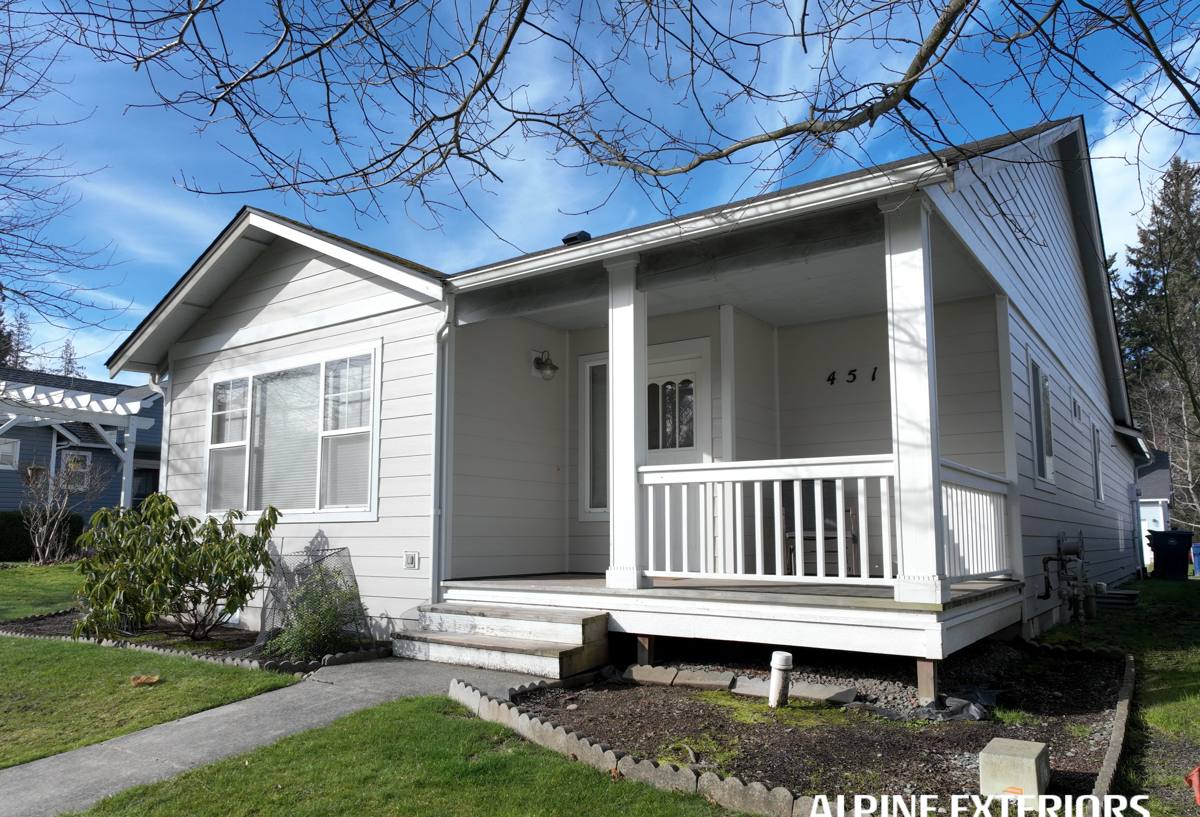
Why Southside Village Roofs Wear the Way They Do
Most of the homes in this part of Sarasota are established properties, many with roofs that have already been through several hurricane seasons. A few conditions specific to this location matter more than people expect:
Salt Air and Metal Fatigue
Being close to the water means airborne salt settles on roofing metal — flashing, drip edge, vent boots, nail heads — and accelerates corrosion. A fastener or flashing seam that would last decades inland can start failing years earlier here. This is one of the most common root causes of a "mystery leak" that shows up on a ceiling nowhere near where the actual roof damage is.
UV Exposure
Florida sun is hard on asphalt shingles specifically. UV breaks down the asphalt binders over time, and granules start shedding faster than they would in a milder climate. A roof that's granule-bald in patches isn't just cosmetic — it's losing its UV and waterproofing layer in those spots.
Wind-Driven Rain
Straight-down rain rarely causes leaks on a sound roof. Wind-driven rain is different — it gets pushed sideways and upward under shingle tabs, around flashing, and into any seam that isn't sealed correctly. Southside Village's proximity to open water means wind-driven rain events happen more often here than in more sheltered parts of the county.
Storm Cycles
Even when a hurricane doesn't make a direct hit on Sarasota County, tropical systems passing through the Gulf still bring sustained high wind and heavy rain that stress a roof's weakest points. Repeated near-misses add up the same way a direct hit would, just more slowly.
Common Roof Repair Issues We See in This Neighborhood
- Lifted or missing shingles along ridge lines and roof edges, where wind uplift is strongest
- Cracked or deteriorated pipe boots and vent flashing, usually the first place a roof starts leaking
- Corroded or separated metal flashing around chimneys, walls, and roof-to-wall transitions
- Granule loss and brittle shingles from sustained UV exposure, especially on south- and west-facing slopes
- Soft or discolored roof decking under a leak that's been dripping quietly for longer than anyone realized
- Storm-driven damage: creased shingles, debris punctures, and wind-lifted sections after a tropical system passes through
What a Correct Roof Repair Actually Involves
A roof repair that's done right isn't just patching the spot where water is showing up inside the house. Water almost never enters where it exits — it travels along decking and framing before it finds a ceiling or wall to stain. A proper repair starts with tracing the leak to its actual source, not just covering the symptom.
Diagnosis First
We inspect the full roof plane around the reported leak, not just the immediate spot, because a single failed flashing seam or cracked boot can send water traveling several feet before it shows up indoors. We also check attic decking where accessible, since staining and soft spots there tell us how long the leak has been active and whether it's spread further than the interior damage suggests.
Matching Materials, Not Just Covering Gaps
Shingle repairs need to match the existing roof's material, weight, and where possible, color — mismatched patches don't just look bad, they can behave differently under wind and heat than the surrounding roof. For flashing and metal work, we use corrosion-resistant materials appropriate for a salt-air environment, not standard-grade metal that will just fail again in a few years.
Sealing It So It Stays Sealed
A lot of repair failures come down to sealant and fastening, not the shingle or flashing material itself. We use roofing-grade sealants rated for sustained UV and moisture exposure, and we fasten according to manufacturer wind-uplift specs rather than whatever the last repair happened to use. That distinction matters a lot in a neighborhood that regularly sees high wind events.
Repair or Replace? What Actually Decides It
Not every damaged roof needs to come off. But an honest contractor tells you when repair is a short-term patch versus a real long-term fix. Here's how we think through it:
| Factor | Favors Repair | Favors Replacement |
|---|---|---|
| Roof age | Under roughly 15 years, good overall condition | Approaching or past manufacturer's expected lifespan |
| Damage extent | Isolated to one area or a few spots | Widespread granule loss, multiple failed sections |
| Decking condition | Solid, dry decking under the damaged area | Soft, rotted, or repeatedly wet decking |
| Leak history | First or isolated leak event | Recurring leaks in different spots over time |
| Storm exposure | Minor wind or debris damage | Significant uplift, structural, or widespread storm damage |
| Insurance situation | Repair covers the documented damage | Adjuster or engineer report supports full replacement |
If a roof genuinely needs repair rather than replacement, we say so — a repair we can stand behind is a better outcome for the homeowner than an unnecessary tear-off, and it's also the more honest recommendation.
Our Roof Repair Process
- Inspection and diagnosis — We identify the actual source of the leak or damage, not just the visible symptom.
- Written scope and honest pricing — You get a clear explanation of what's being repaired, why, and what it costs before any work starts.
- Repair the source — Flashing, shingles, boots, or decking are addressed at the point of failure, not just patched over.
- Seal and fasten to spec — Materials are sealed and fastened to hold up against wind-driven rain and high wind, not just look finished.
- Cleanup and walkthrough — Debris is cleared, and we walk you through what was done and what to watch for going forward.
Materials We Use — and Why We're Selective
For shingle repairs, we match architectural or three-tab shingles rated for high wind uplift, since standard-grade shingles tend to underperform in a neighborhood this exposed to sustained coastal wind. For flashing and metal components, we use corrosion-resistant metals rather than standard galvanized steel, because salt air shortens the service life of lower-grade metal significantly. On underlayment, we use synthetic or self-adhering products in vulnerable areas like valleys and roof-to-wall transitions, since these hold up better against wind-driven rain intrusion than older felt underlayment.
We're selective about these choices for a straightforward reason: a repair using the wrong-grade material for this climate is a repair that fails again within a few storm seasons, and that costs the homeowner more in the long run than doing it right the first time.
Storm Season Checklist for Southside Village Homeowners
Between storm seasons, a little attention to your roof goes a long way toward avoiding an emergency repair call. Before hurricane season and after any significant storm, it's worth checking for:
- Lifted, curled, or missing shingles, especially near ridges and roof edges
- Visible rust or gaps in flashing around chimneys, vents, and roof-to-wall joints
- Granule buildup in gutters, which signals accelerated shingle wear
- Soft spots, sagging, or discoloration on ceilings and in the attic
- Debris, branches, or standing water pooling on flat or low-slope roof sections
- Loose or damaged gutters and downspouts, which can force water back under roofing edges
If you spot any of these, it's worth getting a repair estimate before the next storm rather than after one.
Why Hire a Crew That Already Works This Neighborhood
A roofer who works Southside Village regularly already knows the age range and construction style common to homes here, what Sarasota County's permitting and inspection process requires for roof repair work, and which materials actually hold up against this specific mix of salt air, UV, and coastal wind. That familiarity means fewer surprises — we're not learning the neighborhood's quirks on your roof, and we're not guessing at what grade of material this environment demands. It also means faster response after a storm, since we're not driving in from across the county to reach you.
If your roof has a leak, storm damage, or wear that's been nagging at you, we'd rather take a look and give you a straight answer than have you guessing. Reach out for a free, no-pressure estimate using the form below, and we'll walk the roof, explain what we find, and tell you honestly whether it's a repair or something more.