 Sarasota Siding
 Storm Damage Roof Repair for Southside Village Homes
Southside Village sits close to Sarasota Bay, which means its homes take the full brunt of whatever comes off the water. Hurricane-force winds, tropical storm squalls, and even the routine summer thunderstorm cells that roll through Sarasota County every afternoon put real stress on a roof system. When wind lifts shingles, rain finds a gap in flashing, or a downed branch punches through decking, the damage doesn't always look dramatic from the ground. That's exactly why storm damage roof repair has to be handled by someone who knows what to look for and how to fix it correctly the first time, not just patch what's visible.
We work on roofs throughout Sarasota, and Southside Village's mix of older bungalows, mid-century ranch homes, and updated single-family properties each present their own storm vulnerabilities. A roof repair here isn't a one-size-fits-all job — it depends on the roof age, the decking underneath, the type of covering, and how the last storm actually moved across the structure.
Why Southside Village Roofs Take a Beating
The neighborhood's proximity to the bay is a double-edged sword. The water views and breezes that make it desirable also mean homes here are exposed to conditions that inland Sarasota County properties don't deal with as often.
Wind-Driven Rain
During a storm, rain in this part of Florida rarely falls straight down. Wind pushes it sideways and up under roof edges, ridge caps, and any flashing point that isn't sealed tight. A roof can survive high winds structurally and still end up with interior water damage because wind-driven rain worked its way in through a small gap that would never leak in a normal rain.
Salt Air Corrosion
Being close to the bay means metal components — fasteners, flashing, drip edge, vent boots — are exposed to salt-laden air continuously, not just during storms. Salt accelerates corrosion on exposed metal, which weakens the very connections that are supposed to hold a roof together when wind loads spike. A fastener that's lost integrity to corrosion is a fastener that can back out or shear during a wind event.
Year-Round UV Exposure
Sarasota gets strong sun essentially every month of the year. UV breaks down asphalt shingle granules, dries out sealant strips, and makes underlayment brittle over time. A roof that's already UV-fatigued has less flexibility and less holding power when a storm hits, so what would be minor wind damage on a newer roof can become a bigger tear-off on an older one.
Storm Frequency
Between named tropical systems and the routine severe thunderstorms that build over the Gulf and move inland through hurricane season, Southside Village roofs don't get long stretches without some kind of wind or rain stress test. Repairs that were "good enough" after one storm can fail during the next one if they weren't done to full standard.
What Correct Storm Damage Repair Actually Involves
A lot of storm repair work in this area is done fast and cheap right after a hurricane — tarps thrown up, a few shingles nailed back down, and that's it. That approach stops active leaking but doesn't address what actually failed. Correct storm damage repair means diagnosing the failure point, not just covering the symptom.
Full Roof Assessment, Not Just the Obvious Damage
Wind damage is often worse than it looks from the ground or even from a quick walk on the roof. We check:
- Shingle or tile uplift and creasing, including tabs that look intact but have broken their seal
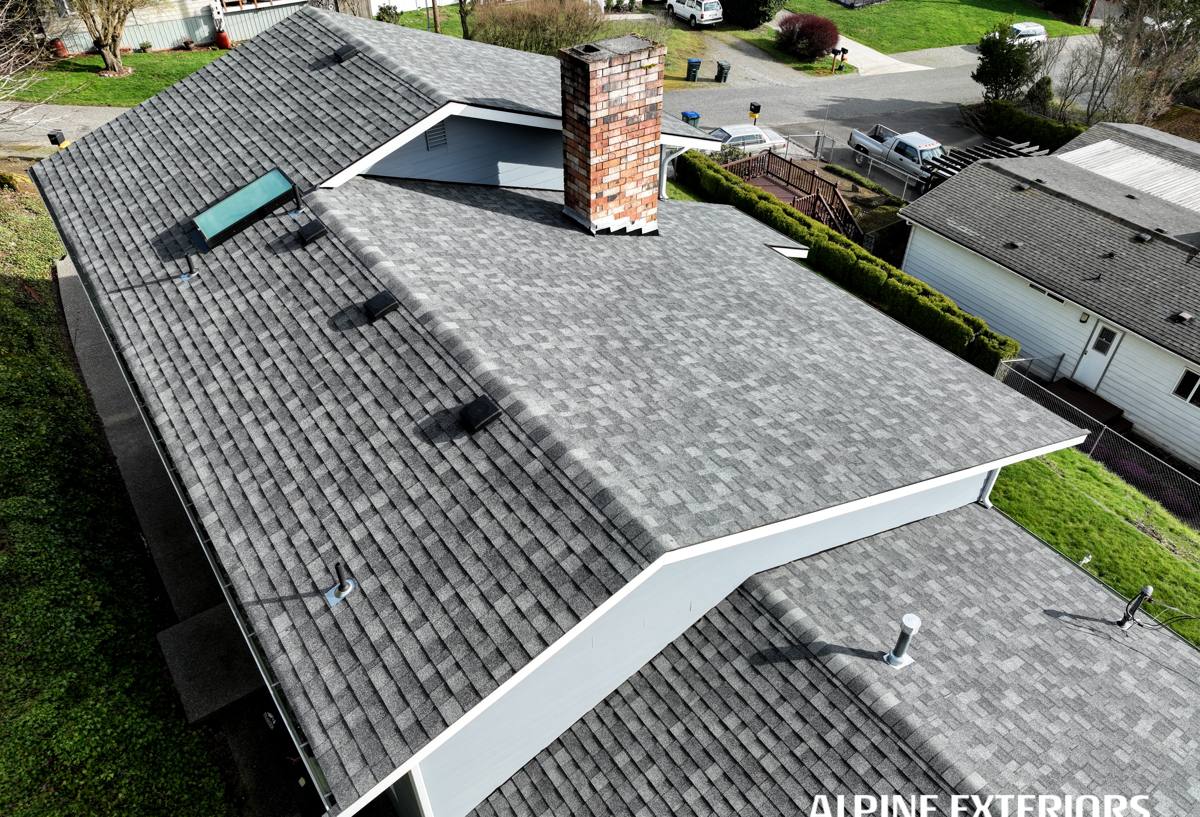
- Flashing around chimneys, skylights, and roof-to-wall transitions for separation or bent metal
- Ridge cap and hip cap fastening, which take direct wind load in a storm
- Soffit and fascia for wind intrusion points that let water track back into the attic
- Decking for soft spots, delamination, or fastener pull-through underneath the roof covering
- Attic interior for water staining, insulation saturation, or active moisture that hasn't shown up as a ceiling stain yet
Emergency Mitigation When Needed
If a roof has an active leak or exposed decking after a storm, the first priority is stopping additional water intrusion — proper tarping, sealing exposed penetrations, and securing loose material so it doesn't become a hazard or cause more damage in the next round of weather. This is a stopgap, not the fix, and we're clear with homeowners about that distinction.
Permanent Repair
Once the roof is stabilized, the actual repair addresses the root cause: replacing damaged decking, correctly reflashing transitions, matching shingle or tile courses so the repair blends and performs like the surrounding roof, and resealing every penetration that was compromised. We don't consider a storm repair finished until the roof can take the next wind-driven rain event without a repeat leak.
How Our Process Works
- Inspection and documentation. We walk the roof, check the attic, and document what we find with photos — useful both for the repair plan and for insurance if you're filing a claim.
- Honest scope of work. We tell you what's actually damaged versus what's cosmetic or pre-existing wear, and we explain the repair options in plain terms.
- Mitigation first, if needed. Active leaks get stopped before anything else happens.
- Repair execution. Decking, underlayment, flashing, and covering are addressed in the right order so each layer does its job.
- Final check. We confirm the repair area is sealed, fastened to spec, and matches the surrounding roof's performance — not just its appearance.
Why a Crew That Already Works Southside Village Matters
Roofing isn't generic, and storm repair especially isn't. A contractor who already works this neighborhood knows the common roof ages and construction types in the area, understands how the bay-facing wind exposure tends to concentrate damage on certain roof planes, and has already seen how salt air affects fasteners and flashing on homes nearby. That local pattern recognition speeds up diagnosis and reduces the chance of missing a secondary damage point that isn't obvious on a first look.
It also matters for accountability. A local crew is still around next storm season if a repair needs a warranty check, and that's a real consideration in coastal Sarasota County, where storm repair work can be a magnet for contractors who do the job once and are gone before the next hurricane season tests their work.
Repair Approach by Damage Type
| Damage Type | Typical Cause | Repair Approach |
|---|---|---|
| Lifted or missing shingles | Wind uplift, broken seal strips | Replace affected shingles, reseal or reset surrounding tabs, check for decking exposure underneath |
| Flashing separation | Wind flex, corroded fasteners, thermal cycling | Remove and reflash with corrosion-resistant material, reseal transitions |
| Soft or delaminated decking | Prolonged moisture intrusion from a prior undetected leak | Cut out and replace affected decking sections before reinstalling covering |
| Ridge or hip cap loss | Direct high-wind exposure at the roof's highest stress points | Refasten or replace cap shingles with proper nailing pattern for wind zone |
| Interior water staining, no visible exterior damage | Wind-driven rain intrusion through a small, hard-to-see gap | Attic-side leak tracing to locate entry point, then targeted exterior repair |
Cost Factors Homeowners Should Understand
Every storm repair is different, so we don't quote blind. What actually drives cost on a Southside Village storm repair includes:
- Extent of decking replacement — hidden rot or delamination found once shingles are pulled back adds material and labor
- Roof covering type — matching existing tile or a discontinued shingle line can take more time and cost more than standard architectural shingle
- Roof pitch and access — steeper roofs and homes with limited access take longer and require more safety setup
- Number of penetrations affected — chimneys, skylights, and multiple roof planes each add flashing work
- Insurance scope versus real scope — sometimes an adjuster's initial estimate doesn't match what's actually needed once the roof is opened up, which affects timeline and paperwork
We'll walk through these factors with you directly rather than handing over a number with no explanation behind it.
What to Do Right After a Storm
If your Southside Village home took wind or rain damage, a few steps protect both your roof and your insurance claim:
- Photograph visible damage from the ground before anyone gets on the roof
- Check the attic and ceilings for water stains, even if the roof looks fine from outside
- Avoid walking a wind-damaged roof yourself — loose material and weakened decking are a fall risk
- Get a professional inspection promptly, even for damage that seems minor, since small gaps become bigger leaks in the next rain
- Keep any documentation and repair estimates organized if you're planning to file an insurance claim
Preventing the Next Storm From Doing the Same Damage
A storm repair is also a chance to fix underlying vulnerabilities so the next system doesn't cause a repeat problem. That can mean upgrading to corrosion-resistant fasteners and flashing given the bay-adjacent salt exposure, improving ridge and edge fastening to current wind-resistance standards, or addressing UV-related sealant failure on penetrations before it becomes a leak. We flag these opportunities during the repair rather than treating the visit as a one-time patch job.
If your Southside Village roof took storm damage — or you're not sure whether recent wind and rain caused damage that hasn't shown up yet — we're happy to take a look. Reach out for a free, no-pressure estimate using the form below, and we'll give you a straight assessment of what's going on and what it'll take to fix it right.