 Sarasota Siding
 University Park sits inland from Sarasota Bay but that doesn't spare its roofs from what Southwest Florida throws at them every year. Between the intense UV load, sudden wind-driven downpours, and the occasional direct hit from tropical systems, roofs here age differently than they would almost anywhere else in the country. If you own a home in University Park and you're dealing with a leak, missing shingles, soft spots in the decking, or just want ahead-of-the-curve maintenance, this page walks through what a proper repair actually involves and why local experience matters more than most homeowners realize.
Why University Park Roofs Take a Different Kind of Beating
Sarasota County sun is not the same as sun in a northern state. UV exposure here runs strong essentially year-round, and it doesn't take a break in winter the way it does elsewhere. That constant radiation dries out asphalt shingles, breaks down sealant strips, and accelerates granule loss on older roofing faster than manufacturer warranties usually assume. On top of that, Gulf Coast humidity keeps roof decking and underlayment under near-constant moisture pressure, which is a slow but steady threat to anything that isn't properly ventilated.
Then there's wind. Sarasota County sits in a hurricane-prone corridor, and even when a storm doesn't make a direct hit, the outer wind bands can lift shingle edges, drive rain sideways under flashing, and stress roof-to-wall connections that look fine from the ground but aren't holding up the way they should. Add in trace salt content carried inland on Gulf breezes, and metal fasteners, flashing, and vent components corrode faster than inland-state products were ever designed for. None of this means a University Park roof is doomed — it means it needs to be built, repaired, and maintained with this climate specifically in mind, not with generic materials or shortcuts.
What This Means for Repair Timing
Small problems compound fast here. A cracked pipe boot or a lifted shingle tab that might sit harmless for years in a dry climate can let water into the decking during the next heavy Gulf Coast downpour. We see this pattern constantly: a homeowner notices a small ceiling stain, waits a season "to see if it gets worse," and by the time we're called the plywood decking underneath has gone soft and the repair scope has tripled. In this climate, roof issues rarely stay small on their own timeline.
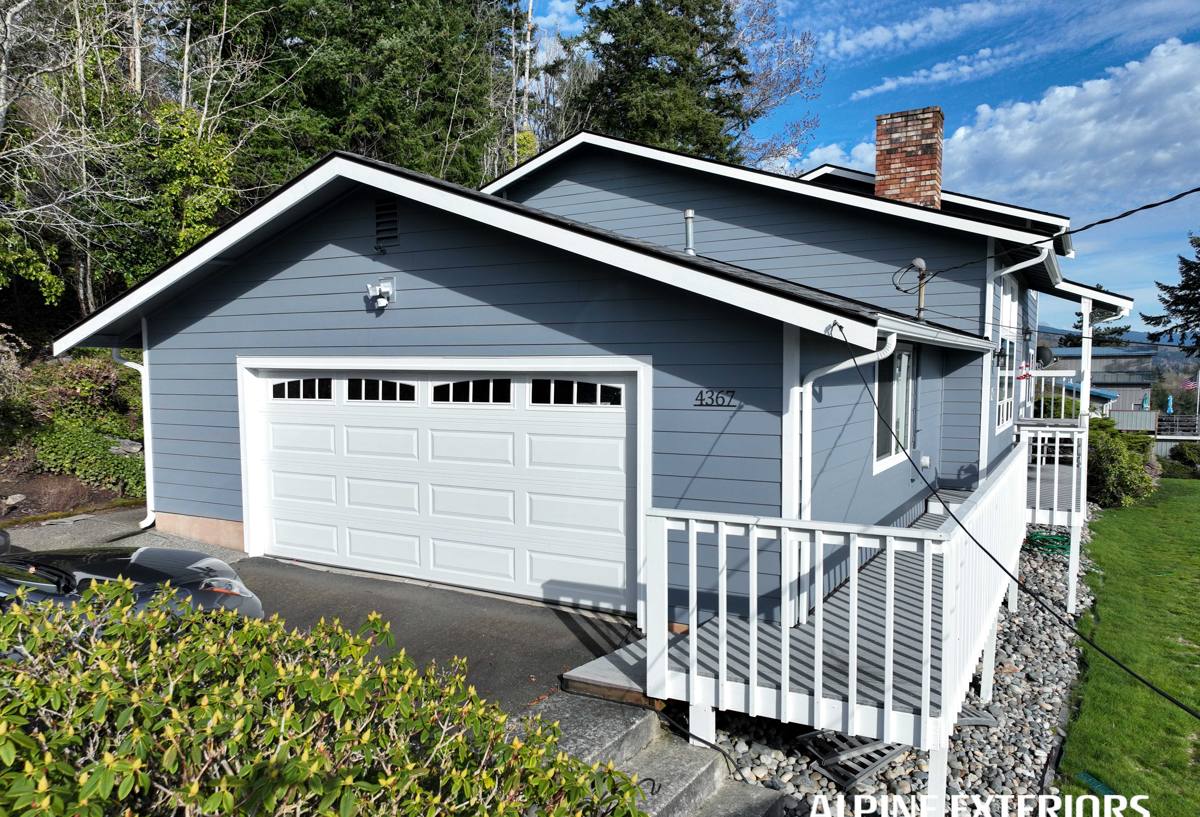
Common Roof Repair Issues We See in University Park
- Wind-lifted or missing shingles — usually along ridge lines, roof edges, and valleys where uplift pressure concentrates during storms
- Cracked or deteriorated pipe boots and vent flashing — rubber and plastic components break down under sustained UV exposure faster than the shingles around them
- Flashing failures at chimneys, walls, and roof transitions — a common entry point for wind-driven rain even when the field of the roof looks intact
- Granule loss and UV-brittle shingles — a visible sign that a roof is aging faster than its calendar age suggests
- Soft or spongy decking — the result of a slow leak that went unnoticed until it reached the plywood underneath
- Clogged or damaged gutters contributing to water backup — common after storm debris or heavy leaf drop
- Corroded fasteners and metal components — accelerated by the coastal air even well inland from the water itself
What a Correct Repair Actually Involves
A roof repair done right starts with an honest inspection, not a quick patch. We look at the specific area of concern, but we also check the roof more broadly — because in this climate, one visible failure point often signals wear happening elsewhere that hasn't shown itself yet as an interior leak.
Diagnosis Before Repair
We trace leaks to their actual source rather than patching where the stain appears on the ceiling — water travels along decking and rafters before it drips, so the entry point is often several feet from where the damage shows up inside. This means checking flashing, penetrations, shingle condition, and decking integrity in the surrounding area, not just the spot directly overhead.
Matching Materials and Method to the Problem
Depending on what we find, a repair might involve replacing a section of shingles, resealing or replacing flashing, swapping out a failed pipe boot, or — if the decking underneath has been compromised — cutting out and replacing the damaged plywood before any new roofing goes down. Patching over soft decking is a shortcut that fails within a season or two; we don't do that.
Sealing Against Wind-Driven Rain
Because Sarasota County storms don't just drop rain straight down, every repair needs to account for water pushed sideways and upward under roof edges. That means proper shingle nailing patterns, correctly lapped flashing, and sealant applied where it will actually hold under wind pressure — not just where it's easiest to reach.
Repair vs. Replacement: How We Help You Decide
Not every roof problem calls for a full replacement, and not every repair is worth doing on a roof that's near the end of its service life. We give a straight answer based on what we actually find, not a default sales pitch in either direction.
| Factor | Leans Toward Repair | Leans Toward Replacement |
|---|---|---|
| Roof age | Under 12-15 years, good overall condition | Approaching or past typical asphalt shingle lifespan |
| Extent of damage | Isolated to one area (flashing, a section of shingles, one penetration) | Multiple areas showing wear, or widespread granule loss |
| Decking condition | Solid, no soft spots found | Soft or rotted decking found in more than a small localized area |
| Leak history | First occurrence, clear single cause | Recurring leaks in different spots over time |
| Storm damage pattern | Localized wind lift or impact | Widespread uplift, exposed underlayment, or structural concern |
Our Process for University Park Homeowners
- Initial contact and scheduling — you describe what you're seeing (a stain, missing shingles, a known storm event), and we schedule a look.
- On-site inspection — we get on the roof and in the attic when needed, tracing the actual source of the problem rather than guessing from the ground.
- Honest assessment and options — we explain what we found, what's causing it, and what repair (or replacement, if that's genuinely the better call) actually involves.
- Written scope and estimate — no vague verbal promises; you get a clear description of the work before anything starts.
- Repair work — completed with materials and fastening methods suited to Gulf Coast wind and moisture conditions, not generic minimum-code shortcuts.
- Final check — we confirm the repair holds and walk you through what we did.
Why a Crew That Already Works University Park Matters
Roofing problems in Sarasota County aren't generic. A crew that mostly works in drier, cooler climates may default to materials or techniques that hold up fine there but underperform against sustained Gulf Coast UV and wind-driven rain. Working regularly in this area means knowing which failure points show up first on local roofs, what flashing details actually hold under the wind patterns homes here experience, and how to spot early-stage decking damage before it becomes a bigger job. Local crews also tend to move faster after storms, since they're not driving in from out of the area to assess damage across an entire region at once.
We also know that Sarasota-area homeowners deal with insurance adjusters, HOA guidelines, and permitting requirements that vary from what you'd find elsewhere in Florida. Having done that process locally, repeatedly, means fewer surprises for you along the way.
Maintaining Your Roof Between Repairs
A few habits go a long way toward stretching the life of a University Park roof between service calls:
- Keep gutters clear, especially after storm season debris and seasonal leaf drop
- Trim back tree limbs that overhang the roofline to reduce abrasion and debris buildup
- After any significant wind event, do a visual check from the ground for missing or lifted shingles
- Watch for ceiling stains or musty odors in attic spaces — early signs of a slow leak
- Have the roof looked at professionally after any named storm that produced sustained winds in your area, even if you don't see obvious damage
A Note on Insurance and Storm Damage
If your repair need traces back to a specific storm event, documentation matters. We can provide a written assessment describing what we found and what caused it, which is often useful for insurance claims. We won't inflate a scope of work to chase a bigger payout, and we won't downplay real damage to make a job look smaller than it is — you get what we actually find, described accurately.
If you're dealing with a roof issue in University Park, or you'd just like a professional set of eyes on a roof before it becomes a bigger problem, we're glad to take a look. Reach out for a free, no-pressure estimate using the form below.