 Sarasota Siding
 Why University Park Roofs Wear Differently
University Park sits inland from the barrier islands but is still squarely inside Sarasota County's coastal climate zone, which means the roof over an established, mature-canopy neighborhood like this one takes a beating that homeowners further north rarely deal with. The tree cover that makes the community attractive also means more shading, more organic debris on the roof deck, and more moisture that lingers after a storm instead of drying out fast in open sun. Add in the golf course drainage and irrigation running near many lots, and you get a roofing environment where humidity, granule wash-off, and algae staining show up faster than a manufacturer's brochure would suggest.
Because many of the homes here were built during a single wave of development, we also see entire streets where roofs are aging out around the same time. If your roof was installed when the house was built, there's a good chance your neighbors are facing the same decision within a year or two of you — which is useful information when you're trying to figure out whether repair or full replacement is the smarter move.
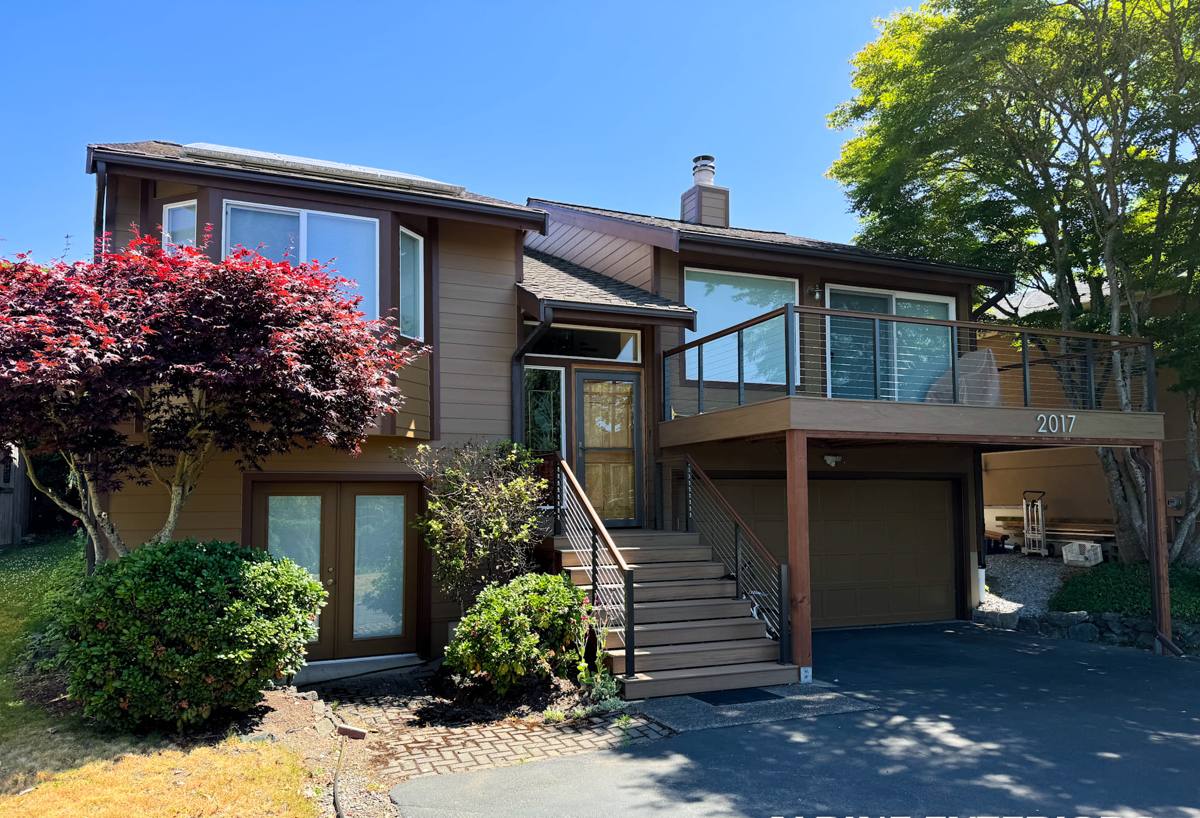
What the Climate Actually Does to a Roof Here
Hurricane-Force Wind
Sarasota County sits in an active hurricane corridor, and wind is the single biggest structural threat to a roof system. Wind doesn't just rip off loose shingles — it gets under an edge, lifts, and works its way inward, which is why fastening pattern, edge metal, and underlayment matter as much as the shingle or tile brand itself. A roof that looks fine from the driveway can still have a compromised nailing pattern that only shows up during the next major blow.
Year-Round UV Exposure
Florida's UV load is intense for most of the year, not just in summer. UV breaks down asphalt oils in shingles, causes granule loss, and makes tile underlayment brittle over time. This is a slow, cumulative process — most homeowners don't notice it until the roof is already past its effective service life.
Wind-Driven Rain
Straight-down rain is rarely the problem. Wind-driven rain during our summer storm season and tropical systems pushes water sideways and upward under flashing, vents, and ridge caps — areas that are watertight in normal conditions but vulnerable under lateral pressure. This is where most active leaks originate, not in the open field of the roof.
Salt Air
Even set back from the Gulf, Sarasota's air carries enough salt content to accelerate corrosion on exposed metal — nail heads, flashing, vent stacks, and drip edge. Once corrosion starts on fasteners or flashing, it compromises the roof's ability to stay sealed long before the shingles or tiles themselves fail.
Repair or Replace: How to Tell
Not every roof problem means a full replacement. A handful of cracked tiles or a small area of lifted shingles after a storm is often a legitimate repair. Replacement becomes the right call when the damage is systemic rather than isolated. Signs worth taking seriously include:
- Granule loss heavy enough that you can see bare asphalt in multiple spots, not just one worn patch
- Soft or spongy decking felt underfoot in the attic or during a walk-on inspection
- Recurring leaks in different locations after each repair, rather than one leak that stays fixed
- Visible sagging along the roofline or between rafters
- A roof approaching or past 18-20 years old for shingles, or showing widespread cracked/slipped tiles on a tile roof
- Rising insurance premiums or a carrier flagging the roof's age during a policy renewal or inspection
If your roof is showing two or more of these at once, replacement is almost always cheaper in the long run than continuing to chase repairs on a system that's failing as a whole.
Material Options for This Neighborhood
University Park's architectural character leans toward a consistent, upscale look, and many homes here were built with tile roofing originally. That said, the right material depends on your specific roof structure, your budget, and — in some cases — community architectural guidelines that apply to exterior changes. We'll help you check what applies to your address before we finalize a material choice.
| Material | Typical Lifespan | Wind Performance | Considerations Here |
|---|---|---|---|
| Architectural asphalt shingle | 18-25 years | Strong when rated and fastened per Florida code | Lower cost, wide color range, faster installation |
| Concrete/clay tile | 30-50 years | Excellent when properly fastened; individual tiles can crack or dislodge | Matches the existing look of many University Park homes; heavier, needs structural check on older decks |
| Metal (standing seam) | 40-60 years | Very strong, minimal wind uplift risk | Higher upfront cost; different aesthetic than tile-dominant streets |
Whatever material you choose, the underlayment and flashing details matter as much as the surface product — a premium tile roof installed over cut-rate underlayment will still leak.
How Our Replacement Process Works
1. On-Site Assessment
We inspect the existing roof, deck condition, flashing, and ventilation, and take photos of anything that affects scope — soft decking, damaged fascia, or undersized ventilation. You get a straight answer about what's driving the recommendation, not just a number.
2. Written Scope and Estimate
The estimate spells out material, underlayment type, flashing and fastening specifications, and any deck repair allowance, so there's no ambiguity about what's included before work starts.
3. Permitting
Roof replacement in Sarasota County requires a building permit and inspection — this isn't optional and it protects you. We handle the permit application and schedule the required inspections as part of the job.
4. Tear-Off and Deck Inspection
Old material comes off down to the deck, which gets inspected board by board. Any rotted or delaminated decking is replaced before anything goes back down — covering a bad deck with new roofing just hides the problem.
5. Underlayment, Flashing, and Fastening
This stage determines how the roof actually performs in wind and rain — it matters more than the finish material. We install underlayment and flashing to current Florida Building Code wind and water requirements for our zone, not the minimum that was code when your house was originally built.
6. Final Material Installation
Shingles, tile, or metal go on per manufacturer specification and the fastening schedule required for our wind zone.
7. Cleanup and Final Inspection
We magnet-sweep for nails, clean up debris, and coordinate the final county inspection so your permit closes out properly — which matters for resale and insurance records down the road.
Permits, Wind Ratings, and Insurance
Sarasota isn't in Florida's High-Velocity Hurricane Zone (that designation applies to Miami-Dade and Broward), but the county still enforces wind-resistance requirements under the Florida Building Code that dictate fastening patterns, underlayment type, and secondary water barriers based on local wind speed maps. A roof permitted and inspected correctly also supports a wind mitigation inspection, which can lower your homeowners insurance premium — an increasingly relevant factor as Florida insurers scrutinize roof age and condition more closely than they did a decade ago.
Keep your permit closeout paperwork and any wind mitigation report. Insurance carriers and future buyers will ask for it, and it's far easier to hand over a folder than to reconstruct records years later.
What Drives the Cost
| Factor | Why It Matters |
|---|---|
| Roof size and pitch | More surface area and steeper pitches increase labor and material needs |
| Material choice | Tile and metal cost more upfront than asphalt shingle but last longer |
| Deck condition | Rotted or delaminated decking found during tear-off adds repair cost |
| Number of penetrations | Vents, skylights, and chimneys each require flashing work |
| Access and layout | Steep or hard-to-access roofs take longer and require more safety setup |
| Permit and inspection fees | Set by Sarasota County, non-negotiable but part of the total project cost |
We don't publish a flat price because these factors vary too much house to house — but we'll walk you through exactly what's driving your number line by line.
Choosing a Contractor for This Kind of Work
Roof replacement is one of the largest single investments a homeowner makes in a house, and it's also one of the easiest trades for a fly-by-night operator to fake credentials in. Before you sign anything, it's worth confirming a few basics:
- Active Florida roofing license, verifiable through the state licensing lookup
- Current general liability and workers' compensation insurance — ask for the certificate directly
- A written scope of work, not a verbal estimate or a one-line invoice
- Willingness to pull the permit themselves rather than asking you to pull it as an "owner-builder"
- A local presence and reachable references, not just a truck that showed up after a storm
- Manufacturer certification if you're installing a product with a manufacturer-backed warranty
Why Familiarity With University Park Matters
A roofing crew that already works in University Park moves faster and causes fewer surprises, for practical reasons. We know how to coordinate around community access points and any HOA notification requirements before dumpsters or material deliveries show up. We're familiar with the general roof pitches and construction styles common to homes built during the community's main development period, which means fewer surprises once tear-off starts. And because we're already working in the area regularly, scheduling and follow-up — including punch-list items after the final inspection — don't require a special trip from across the county.
If you're ready to talk about what your roof actually needs, we're happy to come take a look and give you a straightforward, no-pressure estimate using the form below.