 Sarasota Siding
 Roof Repair Built for Fruitville's Climate and Housing Stock
Fruitville sits in an unincorporated stretch of Sarasota County that blends older ranch-style homes, mid-century construction, and newer infill development along the corridor near Fruitville Road. That mix means roof age, decking material, and underlayment condition vary a lot from block to block — which is exactly why a roof repair plan that works for one house down the street may be wrong for the next. A crew that already works in this part of Sarasota County knows what to expect from local permitting, typical roof ages, and the specific ways Gulf Coast weather wears a roof down over time.
Roof repair in this region is not just patch-and-go work. Sarasota's combination of intense UV exposure, wind-driven rain, salt air moving inland from the coast, and the real possibility of hurricane-force wind events means every repair has to hold up to conditions that are harsher than most of the country deals with. A repair that looks fine on a calm, dry day can fail the first time a summer storm pushes rain sideways under a shingle edge or a flashing seam.
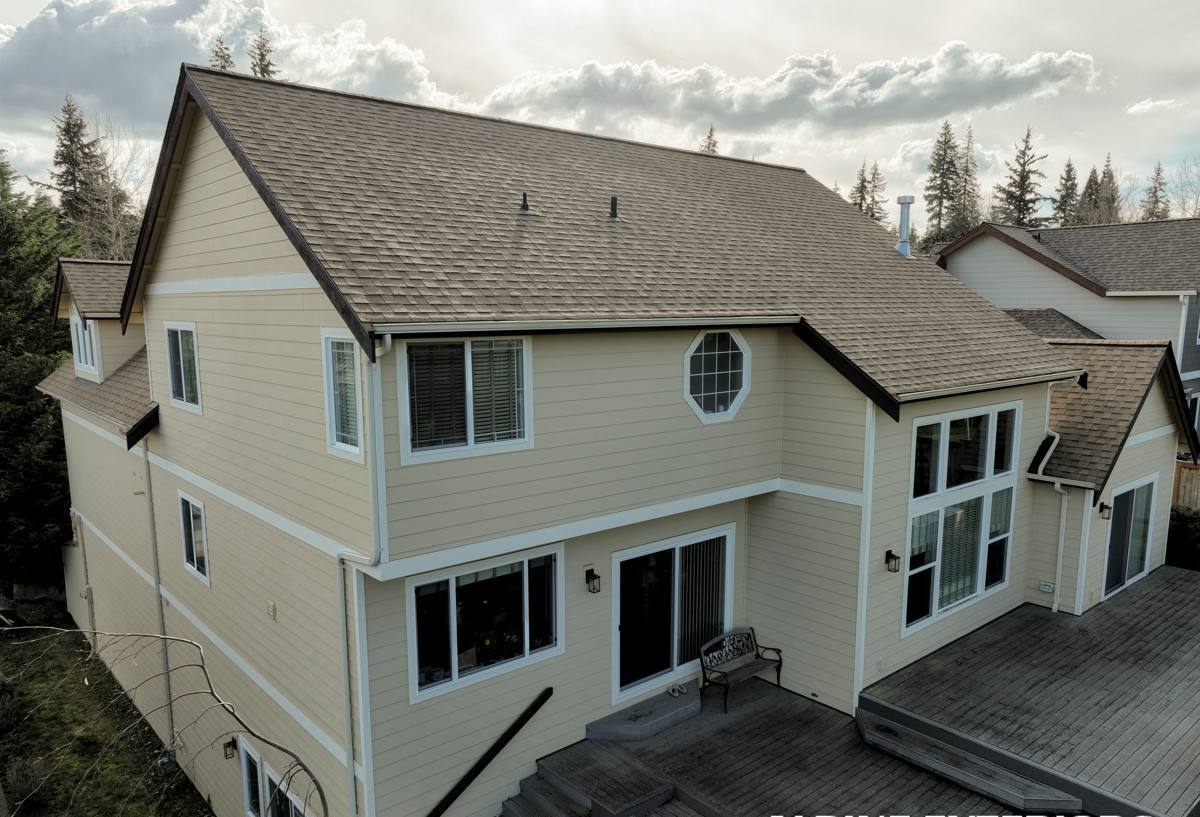
Why Sarasota County Roofs Fail Faster Than You'd Expect
Homeowners are often surprised at how much faster a roof shows wear here compared to roofs up north. It comes down to a few compounding factors that hit Fruitville roofs year-round, not just during storm season.
UV Breakdown
Florida gets some of the most consistent, intense sun exposure in the country. Asphalt shingle granules, sealant strips, and rubber boot flashings around vent pipes all degrade faster under that kind of sustained UV load. Once granule loss starts, the asphalt underneath is exposed and ages even quicker — it snowballs.
Wind-Driven Rain
A roof doesn't have to lose shingles to leak. Wind-driven rain during a thunderstorm or tropical system pushes water sideways and upward under shingle tabs, around ridge caps, and into any flashing that's lifted even slightly. Standard rain running straight down rarely finds these entry points — wind-driven rain almost always does.
Salt Air and Humidity
Sarasota's proximity to the Gulf means salt-laden air travels further inland than people expect, accelerating corrosion on exposed metal fasteners, flashing, and vent components. Combined with year-round humidity, this also creates conditions where trapped moisture under a poorly sealed repair can sit and do damage long before a homeowner ever sees a stain on the ceiling.
Storm and Wind Events
Even when a storm doesn't produce catastrophic damage, straight-line winds and gusts associated with Florida's storm season can loosen shingles, lift ridge caps, and stress flashing seams. Damage from these events is often incremental — a roof takes a hit, doesn't leak right away, but is now more vulnerable the next time weather rolls through.
Common Roof Repair Issues We See in This Area
- Lifted or missing shingles after wind events, especially near ridgelines and roof edges where uplift pressure is highest
- Cracked or brittle pipe boot flashing from UV exposure, a very common source of slow ceiling leaks
- Compromised valley flashing where two roof planes meet and water volume is concentrated during heavy rain
- Nail pops and sealant failure from thermal cycling between hot days and cooler nights
- Soft or delaminating decking found once shingles are pulled back, usually from a leak that went unnoticed for a while
- Rusted or failing fasteners on metal flashing and vent components exposed to salt air
- Granule loss and surface aging on shingles well before they reach the end of their rated lifespan
What a Correct Roof Repair Actually Involves
A proper repair starts with diagnosis, not assumption. Ceiling stains and visible shingle damage don't always point to the actual source of a leak — water travels along decking and rafters before it shows up inside, sometimes several feet from where it entered the roof. Skipping this step is the single biggest reason repeat repairs happen.
Our General Process
- Roof inspection — checking the full roof surface, not just the area near a reported leak, since one storm event often damages multiple spots
- Leak tracing — following water paths from the interior damage back to the actual entry point on the roof
- Decking assessment — confirming the plywood or OSB underneath is sound before any new material goes down over it
- Material matching — sourcing shingles, flashing, or underlayment that match existing roof material as closely as possible
- Repair and re-seal — replacing damaged sections, resealing flashing points, and confirming proper shingle overlap and nailing pattern
- Cleanup and final check — clearing debris and doing a final walk of the repaired area and surrounding roof plane
Every step matters, but decking assessment is the one most often skipped by rushed repairs. Laying new shingles over soft or water-damaged decking might look fine for a season, but it doesn't hold — and it hides a bigger problem instead of fixing it.
Repair vs. Replacement: How We Help You Decide
Not every roof problem calls for a full replacement, and not every leak can be permanently solved with a patch. Part of an honest assessment is telling you which situation you're actually in.
| Factor | Leans Toward Repair | Leans Toward Replacement |
|---|---|---|
| Roof age | Under roughly 15 years, material still in reasonable condition | Approaching or past the shingle's rated lifespan |
| Extent of damage | Isolated to one section or a single storm event | Spread across multiple sections or recurring in different spots |
| Decking condition | Sound, dry decking under the damaged area | Soft, delaminating, or water-stained decking in multiple areas |
| Granule loss / UV wear | Localized, surrounding shingles still intact | Widespread across most of the roof surface |
| History of leaks | First reported issue in that area | Repeated leaks in the same general area despite past repairs |
We'll walk you through where your roof falls on this table honestly. A roof repair that's likely to fail again within a year or two isn't a good use of your money, and we'll say so directly rather than selling a patch we don't believe will hold.
Why a Crew That Already Works Fruitville Makes a Difference
Roofing work in Sarasota County involves permitting and inspection requirements tied to local wind-load and building code standards, which exist specifically because of the hurricane risk this region faces. A crew that regularly works in and around Fruitville and greater Sarasota already understands what inspectors expect, what materials perform well against local wind and moisture conditions, and how to schedule around Florida's rainy season instead of getting caught mid-repair by an afternoon storm.
There's also a practical timing advantage. Roof leaks rarely wait for a convenient moment, and a crew already working in the area can typically respond faster than one dispatching from farther away. When water is actively getting into a home, that response time matters.
What to Check Before Hiring Anyone for Roof Repair
- Proper state licensing and insurance, verifiable and current
- A written scope of work that specifies materials, not just a lump-sum price
- Willingness to inspect the full roof, not just quote off a photo or phone description
- Clear answers about decking condition before repair work begins
- A straightforward answer about whether repair or replacement is the better long-term option, even if it's not the more profitable answer for the contractor
Maintenance That Extends the Life of a Repair
A repair is only as good as the roof around it. A few habits go a long way toward protecting both the repaired section and the rest of the roof in this climate:
- Keep gutters and downspouts clear so water isn't backing up under the roof edge during heavy rain
- Trim overhanging branches that drop debris onto the roof surface or scrape shingles in wind
- Have the roof looked at after any significant wind event, even if there's no visible leak yet
- Watch for granule buildup in gutters, which signals accelerating shingle wear
- Address small leaks promptly — decking damage gets more expensive the longer moisture sits
What Homeowners in Fruitville Should Expect From Us
We approach every roof repair call the same way: inspect thoroughly, explain what we find in plain terms, and give a clear recommendation with a real reason behind it. That means telling you when a simple patch will genuinely hold, and telling you when it won't — even if that's not what you were hoping to hear. Sarasota's climate doesn't leave much room for shortcuts, and a repair that's done right the first time is cheaper than one that has to be redone after the next storm season.
If you're dealing with a leak, storm damage, or just want a roof checked out before it becomes a bigger problem, we're happy to take a look. Reach out for a free, no-pressure estimate using the form below.