 Sarasota Siding
 Why Laurel Park Homes Need Windows Built for This Climate
Laurel Park sits close to downtown Sarasota, and like most in-town Sarasota neighborhoods it's a mix of older bungalow and cottage-style homes alongside newer builds and additions. Whatever the age of the house, the windows in it are fighting the same battle every window on the Gulf Coast fights: hurricane-force wind loads, intense UV exposure nearly year-round, wind-driven rain that finds any weak seal, and salt-laden air that accelerates corrosion on hardware and frames. None of that is unique to Laurel Park, but the age and construction style of many homes in this part of Sarasota changes what "correct" custom windows actually look like on a given house.
Older frames — wood, aluminum single-hung, or early-generation vinyl — were rarely installed with today's flashing and water-management standards, and many were never rated for the wind pressures Sarasota County now requires. When we talk about custom windows here, we're not just talking about matching a size. We're talking about matching the opening, the wall assembly, the architectural character of the home, and the performance requirements of a coastal Southwest Florida property.
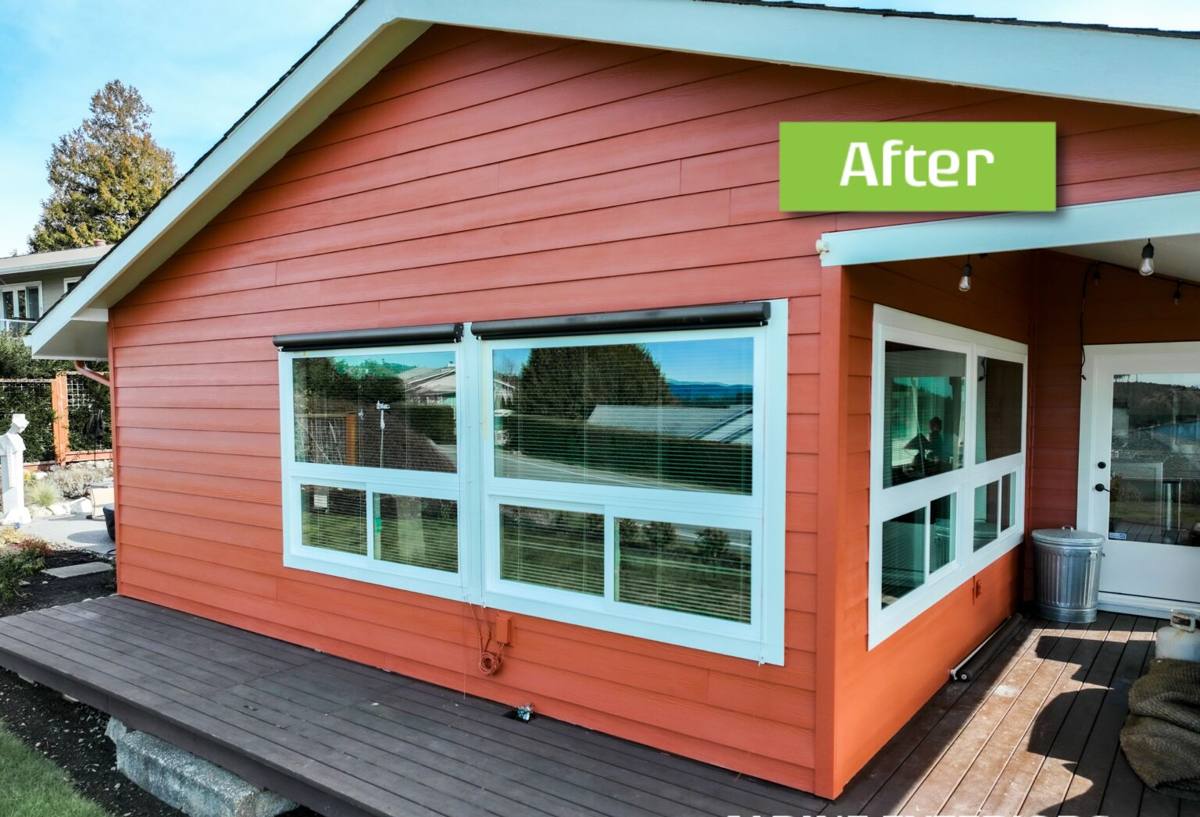
What "Custom" Should Actually Mean for an In-Town Sarasota Home
"Custom" gets used loosely in this industry. For us it means the window is specified — not just ordered — for the specific opening and the specific house. That includes:
- Exact opening dimensions, out-of-square and out-of-level conditions accounted for (common in older framing)
- Frame material and profile chosen to match or respectfully update the home's existing architectural lines
- Glass package selected for the window's orientation — west and south exposures take the harshest UV and heat gain
- Wind pressure and impact rating matched to the home's location, height, and Sarasota County's current code requirements
- Proper flashing and sealing detail for the specific wall type, whether that's older masonry, wood-frame, or a mix from a prior addition
Skipping any of those steps is how you end up with a window that looks right on delivery day but leaks, sticks, or fails a wind event a few years later.
Impact-Rated vs. Standard Windows: What Sarasota County Requires
Sarasota County follows the Florida Building Code's High-Velocity Hurricane Zone-adjacent wind-borne debris requirements, which in practice means most homes here need either impact-rated glass or approved shutter protection on openings, depending on wind zone and the home's location. For Laurel Park's proximity to the water and downtown, impact-rated glass is usually the more practical long-term choice — it removes the need to install and store shutters or panels before every storm, and it stays engaged for daily UV and noise protection even when there's no storm in the forecast.
Impact windows use laminated glass with an interlayer that keeps the glass bonded to the frame even when the outer pane cracks, so the opening stays protected rather than blowing open and pressurizing the house. That matters structurally — an opening that fails during a hurricane can take the roof with it. A licensed contractor pulling permits will confirm the exact wind pressure rating your specific home needs based on its location and height; this varies enough house to house that it isn't something to guess at.
Non-Impact Options, Honestly
Standard (non-impact) windows paired with code-approved shutters remain a legal path in many cases, and they cost less up front. The trade-off is ongoing: shutters have to be installed before every storm, stored the rest of the year, and maintained so they still fit and operate correctly. For a full-time residence, most homeowners we work with in this area find the impact-glass route pays for itself in convenience alone, on top of the daily UV and sound benefits.
Frame Material and Glass Package Comparison
| Option | Salt-Air Durability | Maintenance | Good Fit For |
|---|---|---|---|
| Vinyl, impact-rated | Good — won't corrode; UV-stable formulations resist yellowing | Low — no painting, occasional cleaning | Most in-town homes, additions, budget-conscious full replacements |
| Aluminum, impact-rated | Very good with proper coating; narrower sightlines | Low to moderate — coating can chalk over decades | Larger openings, modern or updated architectural styles |
| Wood or wood-clad | Requires protection — exposed wood suffers in coastal humidity and UV | Higher — periodic painting/sealing | Historic-character homes where interior wood trim is a priority |
| Fiberglass, impact-rated | Excellent — very stable, resists expansion/contraction | Low | Homes wanting wood-like appearance without the upkeep |
None of these is a wrong answer by itself — the right choice depends on the home's style, the specific opening, and how much upkeep you want to take on. This is a case-by-case conversation, not a one-size recommendation.
Our Installation Process, Start to Finish
1. On-Site Assessment
We measure every opening individually rather than assuming uniform sizing, check the framing and sill condition for rot or corrosion, and note the wall assembly type. On older Laurel Park homes this step often surfaces issues — soft sill framing, prior water intrusion, out-of-square openings — that need to be addressed before a new window goes in, not after.
2. Product Selection and Permitting
We help you choose frame material and glass package based on the home's orientation, architectural style, and your budget, then pull the required Sarasota County permit with the correct wind pressure rating for your address and structure height.
3. Removal and Opening Prep
Old windows come out carefully to avoid unnecessary damage to surrounding trim or siding, and we correct any framing, rot, or sill issues found before the new unit ever goes in.
4. Installation and Flashing
The new window is set plumb, level, and square, then flashed and sealed according to the wall type — this is the step most responsible for whether a window stays watertight through wind-driven rain over the following years.
5. Finish and Inspection
Interior and exterior trim is finished to match the home, and the work goes through county inspection as required by the permit before we call the job complete.
Common Window Problems We See in Laurel Park Homes
Because a good share of the housing stock here is older, we consistently run into a handful of recurring issues:
- Painted-shut or swollen sashes on older wood or aluminum single-hung windows, usually from years of humidity cycling
- Corroded aluminum hardware and frames, especially on homes closer to the water where salt air accelerates pitting
- Failed or fogged double-pane seals where the gas fill has leaked out, leaving a hazy band around the glass edge
- Non-impact glass in openings that now require impact protection under current code, often discovered during an unrelated renovation or permit review
- Gaps and drafts around frames where old caulk or weatherstripping has broken down under UV exposure
Any one of these is worth having assessed even if the window still "works" day to day — a window that operates fine can still be a weak point in a storm or a slow source of water intrusion.
Choosing a Contractor Who Actually Works This Neighborhood
Custom window work on an older, in-town Sarasota home is a different job than installing standard windows in a new-construction development. A crew that regularly works Laurel Park and similar neighborhoods already knows how to handle out-of-square historic framing, how to match trim and sightlines on a home with real architectural character, and what Sarasota County's inspectors expect to see on the permit and the finished install. That experience shows up in fewer surprises during removal, fewer callbacks for adjustment, and a finished product that actually looks like it belongs on the house.
When vetting a contractor for this kind of work, it's reasonable to ask directly about their Florida license and insurance, how many similar-era homes they've worked on in the area, whether they pull their own permits, and how they handle unexpected framing or rot issues discovered mid-project. A straight answer to all of those questions is a good sign; vague answers on permitting or licensing are not.
Timeline, Permitting, and What Drives Cost
A typical whole-home custom window project in this area runs from initial measurement through final inspection over several weeks, with the permit review and lead time on custom-sized units usually the longest stretches — actual installation for most homes takes a matter of days once the windows arrive. Costs vary by opening size, quantity, frame material, and glass package, and by how much framing repair is needed once old windows come out, so a firm number only comes after an on-site assessment rather than a phone estimate.
Broadly, expect impact-rated vinyl to sit at the more accessible end, aluminum and fiberglass in the middle-to-upper range depending on size and finish, and wood or wood-clad at the higher end due to material and maintenance costs. Framing repairs, structural changes to an opening, and historic-district or architectural review requirements (where applicable) can all add time and cost beyond the window units themselves.
Pre-Project Checklist
- Confirm your home's required wind pressure rating with a licensed contractor before comparing quotes
- Decide whether impact glass or shutters plus standard glass better fits how you use the home
- Ask each bidder whether they pull their own Sarasota County permits
- Have any known water stains, soft trim, or sticking sashes pointed out during the site visit
- Get frame material and glass package specified in writing, not just "impact windows" as a line item
- Ask about warranty coverage on both the product and the installation labor separately
If you're weighing custom window options for a Laurel Park home, we're glad to walk the property, look at what's actually going on with your current windows, and give you a straightforward assessment — no pressure, no obligation. The form below gets you a free estimate to start that conversation.