 Sarasota Siding
 New-Construction Windows in Laurel Park: Why the Details Matter
Laurel Park sits close enough to Sarasota Bay and the Gulf that every window on a home is doing real work, not just letting in light. Between hurricane-force wind events, intense year-round UV, wind-driven rain, and salt-laden air rolling in off the water, a window that's merely "installed" instead of installed correctly will show its weaknesses fast — fogged glass, soft framing, water stains under the sill, or a failed seal after the first big blow. New-construction windows, when specified and installed properly for this part of Sarasota County, are one of the more effective upgrades a homeowner can make for comfort, protection, and long-term value.
This page focuses specifically on new-construction window installation for Laurel Park — what the term actually means, what the local climate demands from the product and the install, and what our process looks like when we're the crew doing the work.
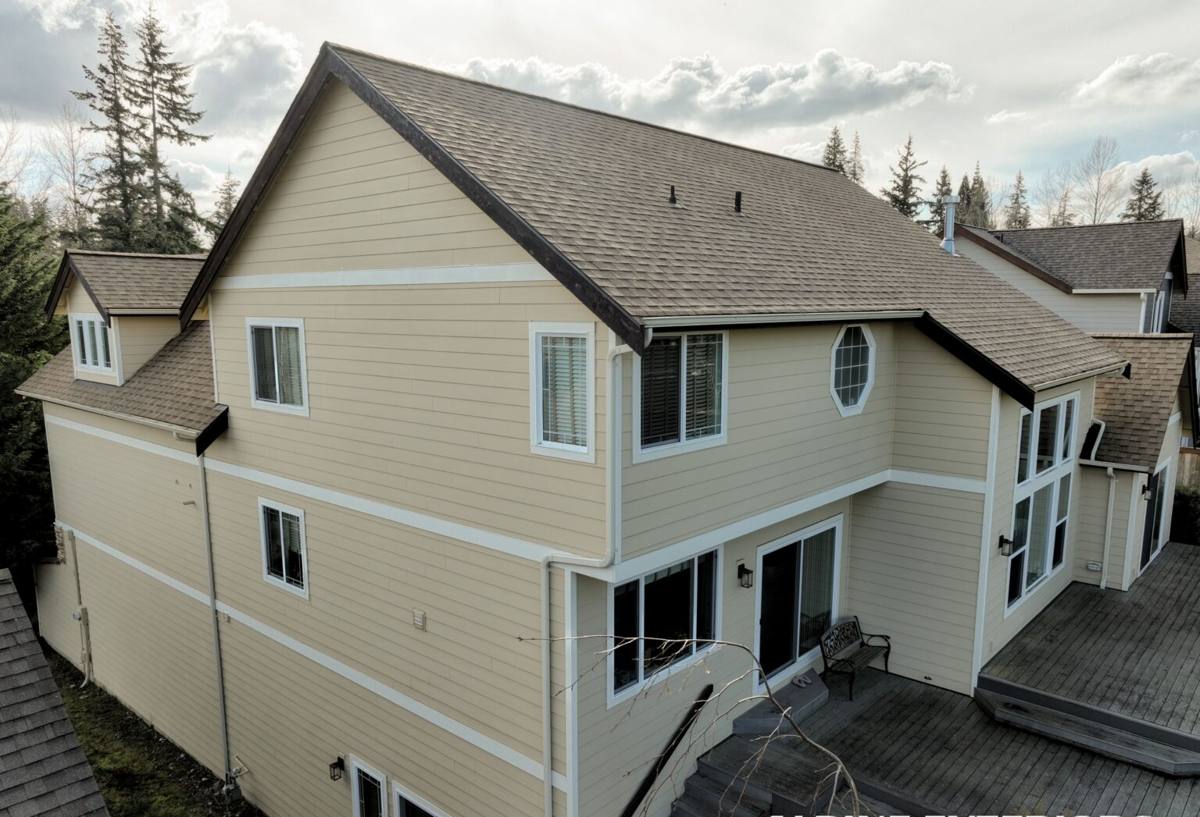
New-Construction vs. Replacement Windows — What's the Difference
These two terms get used loosely, but they describe genuinely different products and different jobs. Getting this right up front avoids a lot of confusion later.
A new-construction window has a nailing fin (a flange) around the perimeter of the frame. It's designed to be installed into a rough opening down to the studs or block, with the fin fastened directly to the framing and integrated into the wall's weather-resistive barrier and flashing system before siding, stucco, or trim goes back on. A replacement (insert) window has no nailing fin — it's built to slide into an existing window frame that stays in place, with the old frame acting as the new window's mounting surface.
| Factor | New-Construction Window | Insert / Replacement Window |
|---|---|---|
| Typical use case | New builds, additions, full-frame remodels, storm rebuilds | Swapping glass/sash while keeping an existing sound frame |
| Attachment method | Nailing fin fastened to structural framing | Fastened into existing frame, no access to structure |
| Access to framing/sheathing | Full access — rot, pests, or old flashing issues get addressed | Hidden framing issues stay hidden |
| Weatherproofing control | Full control over flashing, house wrap tie-in, and sealant layering | Limited to sealing at the existing frame |
| Best fit for Laurel Park homes | Additions, rebuilds, or homes needing structural repair around openings | Homes with sound, square, undamaged existing frames |
Neither approach is universally "better" — the right one depends on the condition of the existing opening and the scope of the project. What matters is that the choice is made deliberately, based on what's actually behind the wall, not by default.
What Sarasota's Climate Actually Demands From a Window
Wind and Windborne Debris
Sarasota County sits within Florida's wind-borne debris region, meaning most homes here need windows and doors that are either impact-rated or protected by code-compliant shutters. New-construction windows give us the opportunity to verify the whole assembly — glass, frame, and fastening — is rated for the wind pressures the specific opening will see, based on the home's exposure, height, and roof geometry, rather than assuming a one-size-fits-all product will do.
UV and Heat Load
Florida sun is hard on window components year-round, not just in summer. UV breaks down cheap vinyl, weather seals, and low-grade glazing sealants faster here than in most of the country. Low-E coatings and quality glazing help control solar heat gain and protect interior furnishings, and they also reduce the load on air conditioning systems that already run hard for most of the year in Sarasota.
Wind-Driven Rain
A hurricane-rated window that isn't flashed correctly can still leak, because the failure point in wind-driven rain is almost always the transition between the window and the wall, not the window unit itself. New-construction installation is built around solving this — the fin gets integrated into the weather-resistive barrier in the correct shingle-lap sequence so water is directed out and down, never trapped behind the wall.
Salt Air and Corrosion
Being close to the coast means airborne salt accelerates corrosion on hardware, fasteners, and lesser-grade metal components. We pay attention to fastener and hardware material specifications for Laurel Park projects rather than treating every job the same as one twenty miles inland.
What a Correct New-Construction Window Installation Involves
Opening Preparation
Before a new window goes in, the rough opening gets checked for square, level, and structural soundness. Any rot, damaged sheathing, or old flashing problems get addressed here — this is the main advantage of a new-construction approach, since the opening is fully exposed.
Flashing and Water Management
Sill pan flashing, jamb flashing, and head flashing get layered in the correct order so any water that gets past the exterior finish drains back out rather than into the wall cavity. This sequencing matters more in a wind-driven rain climate than almost anything else in the install.
Fastening and Structural Attachment
The nailing fin gets fastened per the manufacturer's tested installation instructions and the fastener schedule required for the window's rated wind pressure — spacing and fastener type aren't optional details, they're part of what makes the unit's wind rating valid.
Sealing and Insulation
Low-expansion foam or backer rod and sealant fill the gap between frame and rough opening for both energy performance and to prevent air and moisture intrusion, followed by exterior sealant at the trim and interior finish work to close out the job.
Frame Materials and Glass Options
There's no single "correct" frame material — the right choice depends on the home's style, budget, and how much maintenance the homeowner wants to take on.
| Material | Strengths in This Climate | Trade-offs |
|---|---|---|
| Vinyl | Won't corrode from salt air, low maintenance, good value | Can expand/contract with heat; quality varies a lot between manufacturers |
| Aluminum | Strong, slim sightlines, holds up structurally under high wind pressure | Conducts heat unless thermally broken; needs corrosion-resistant hardware near the coast |
| Fiberglass | Very stable in heat and UV, low maintenance, strong | Higher upfront cost than vinyl |
| Wood (clad exterior) | Traditional look that suits some older Sarasota homes | Highest maintenance burden in salt air and humidity if not fully clad |
On the glass side, impact-rated laminated glass with a Low-E coating is the standard we recommend for most Laurel Park projects — it addresses wind-borne debris protection and heat/UV control in a single product, and it eliminates the need to install and store shutters before every storm.
Permitting and Code Requirements in Sarasota County
New-construction window work here is a permitted job, not a weekend project. Sarasota County and the City of Sarasota enforce the Florida Building Code's wind-borne debris and wind pressure requirements for this area, and inspections are part of the process for good reason — they catch fastening, flashing, and structural issues before they're hidden behind trim and paint.
- Permit pulled and posted before work begins
- Product approval (NOA or Florida Product Approval number) matched to the specific window model installed
- Design pressure rating matched to the home's actual wind exposure, not just a generic rating
- Rough opening and flashing inspected before insulation and trim close it in
- Final inspection signed off before the job is considered complete
A contractor who skips or rushes this process isn't saving you time — they're shifting risk onto you, since an unpermitted or improperly inspected window can become a real problem at resale or after a storm claim.
Our Process for a Laurel Park New-Construction Window Project
- On-site assessment of the openings, framing condition, and current window performance
- Wind pressure and product recommendations based on the home's actual exposure
- Written proposal covering scope, materials, timeline, and cost — no vague allowances
- Permit pulled and scheduled with the applicable jurisdiction
- Removal, opening prep, and any structural repairs identified along the way
- Installation following manufacturer-tested fastening and flashing sequence
- Interior and exterior finish work
- Final inspection and walkthrough with the homeowner
Why Hiring a Crew That Already Works in Laurel Park Matters
Every established Sarasota neighborhood has its own mix of home ages, construction types, and quirks — some Laurel Park homes have had additions or partial remodels over the years, and the framing, wall assemblies, and prior workmanship behind the walls can vary from one to the next even on the same block. A crew that has already worked in this neighborhood has a better sense of what to expect once an opening is exposed, which jurisdiction's permitting process applies, and how the local wind exposure and proximity to the water should factor into the product spec — rather than treating it like any other job on a list.
Familiarity also matters for practical reasons: knowing realistic scheduling around Sarasota's rainy season, understanding how salt air affects material choices this close to the coast, and having a track record of passing inspection the first time on jobs in this exact area.
Signs a New-Construction Window Job Was Done Right
- Flashing is visible in layers (sill, jamb, head) if you catch the job mid-construction — not just caulk smeared around the frame
- The window operates smoothly with no binding, and locks engage without forcing
- No daylight or draft visible around the frame from inside once trim is installed
- The product label/sticker matches the design pressure and impact rating specified in the permit
- Exterior sealant lines are clean and continuous, not patchy or over-applied to hide a gap
- The final inspection was passed and documented, not skipped or "handled later"
If you're planning new-construction windows for a Laurel Park home — whether it's an addition, a rebuild, or a full remodel — we're happy to take a look and walk you through what your specific openings need. Reach out for a free, no-pressure estimate using the form below.