 Sarasota Siding
 Longboat Key Puts Ordinary Siding to the Test
Longboat Key sits on a barrier island between the Gulf of Mexico and Sarasota Bay, which means every home here faces a combination of stresses that inland Sarasota County properties simply don't deal with to the same degree. Salt-laden air moves across the island from both water bodies, hurricane-force winds are a real annual risk rather than a theoretical one, UV exposure runs high nearly year-round, and wind-driven rain gets forced sideways into wall assemblies during storms instead of just falling straight down. Siding that performs fine in a subdivision twenty miles inland can fail years early out here.
This page is about one product, in one place: James Hardie fiber cement siding installed on Longboat Key homes. We're not going to give you a generic rundown of siding options — we're going to walk through what this specific barrier island environment demands, what a correct installation actually looks like, and why the crew you hire matters as much as the material itself.
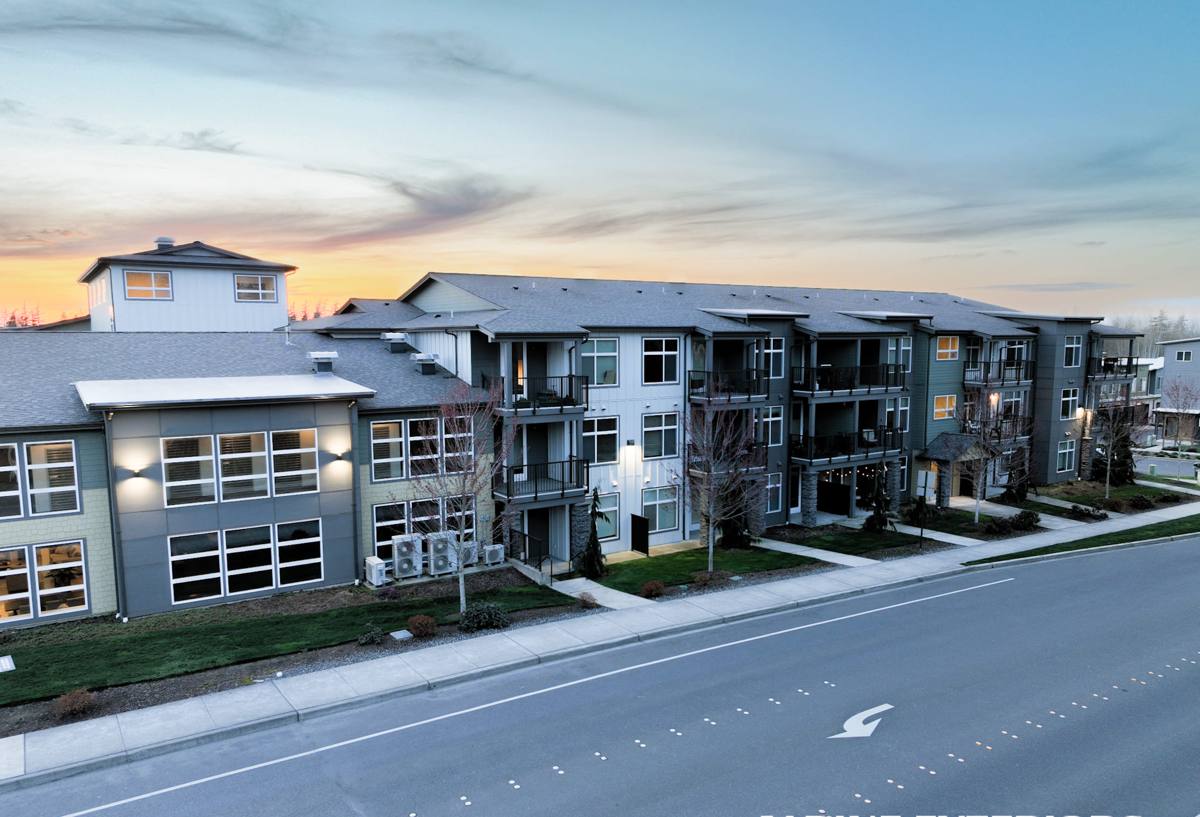
What Salt Air, UV, and Wind Actually Do to Siding
Salt Air
Airborne salt is corrosive to metal fasteners, trim, and flashing, and it accelerates the breakdown of finishes that aren't formulated to resist it. On a barrier island, salt exposure isn't seasonal — it's constant, carried by onshore breezes even on calm days. Siding materials and finish systems that aren't engineered for coastal conditions tend to chalk, fade, or degrade faster here than the same product would fifteen or twenty miles inland.
UV Exposure
Florida sun is intense for most of the year, and on an open barrier island there's often less tree canopy to soften direct exposure on south- and west-facing walls. Cheap or poorly formulated finishes fade unevenly, and some siding substrates (wood, some engineered products) can dry out, crack, or delaminate faster under sustained heat and UV.
Wind-Driven Rain and Hurricane Winds
Longboat Key homes are built to Florida's coastal wind-load requirements for a reason. During tropical storms and hurricanes, rain doesn't fall — it's driven horizontally into every seam, joint, and fastener point on the exterior. Siding that isn't installed with proper clearances, flashing, and fastening patterns can let water behind the cladding, where it causes rot and mold long before anyone notices a problem on the surface. Wind uplift on loose or improperly fastened panels is also a real failure mode in a serious storm.
What a Barrier Island Home Actually Needs From Its Siding
Put those three stressors together and the requirements for Longboat Key siding become pretty specific:
- A non-combustible substrate that won't degrade from prolonged moisture or UV exposure
- A factory-applied finish system, not a job-site paint job, so color and coating are consistent and warrantied
- A product line engineered for high-moisture, high-humidity climates specifically
- Installation detailing (flashing, clearances, fastening) that accounts for wind-driven rain, not just vertical rainfall
- Fastener and trim compatibility that resists salt-air corrosion over the long term
This is exactly the list we check against before we recommend anything for a barrier island project — and it's the reason this company installs one product.
Why We Install Only James Hardie Fiber Cement
We don't install vinyl siding, LP SmartSide, Cemplank, Allura, or unfinished wood siding like primed spruce or cedar. That's a deliberate standard, not a marketing line. Vinyl can warp and become brittle under sustained heat and UV, and its seams and fastening system aren't built for the wind-driven rain a barrier island sees during storm season. Wood-based and OSB-substrate products are more sensitive to moisture intrusion, and once water gets behind them, the damage compounds quickly in a humid coastal climate. Unfinished wood siding demands a maintenance schedule (painting, sealing, inspection) that most homeowners underestimate, and it's especially punishing in salt air.
James Hardie fiber cement is a cement and cellulose fiber composite — non-combustible, dimensionally stable, and resistant to moisture-driven rot in a way wood and wood-based products aren't. For coastal Florida, Hardie's HZ5 product line is specifically engineered for high-humidity, moisture-prone climates like ours, and the ColorPlus factory finish system applies color and a protective topcoat under controlled conditions with a baked-on process — not a brush and a ladder on a windy job site. That finish carries its own performance warranty separate from the substrate warranty, and Hardie's product warranty is transferable to a new owner if the home sells, which matters on an island where property turnover is common.
None of that means Hardie is maintenance-free or installation-proof. It means the material itself is the right starting point for this environment — and the rest comes down to how it's installed.
What a Correct Fiber Cement Installation Involves
Fiber cement siding is only as good as the installation behind it. This is where a lot of problems on barrier island homes actually originate — not from the siding material, but from shortcuts taken during install that don't show up until a storm season or two later.
Moisture Barrier and Flashing First
Before a single piece of siding goes up, the wall needs a properly lapped weather-resistant barrier, and every window, door, and penetration needs correctly installed flashing so water is directed out and away from the wall assembly — not trapped behind it. This step matters more here than almost anywhere else in the state.
Clearances and Gaps
Hardie's install specifications call for specific clearances from rooflines, decks, and grade, and gaps at butt joints and trim. Skipping these to save time is one of the most common causes of early moisture damage in coastal installations — it's an invisible mistake until it isn't.
Fastening Pattern
Correct fastener type, spacing, and embedment depth matter for wind resistance and for avoiding surface corrosion streaks over time, especially in salt air. Blind-nailing where required and correct fastener placement near panel ends prevents the kind of movement that eventually cracks caulk joints and opens water paths.
Caulking and Sealant
Sealant at joints and trim needs to be a product rated for the movement and moisture conditions in a coastal climate, applied to manufacturer spec — not just wherever a gap looks visible.
Factory Finish Handling
ColorPlus panels are pre-finished, so field cutting, handling, and touch-up need to follow Hardie's procedures to avoid voiding finish warranty coverage or leaving exposed edges vulnerable to moisture.
Our Process for a Longboat Key Project
Every barrier island home is a little different depending on age, prior renovations, and exposure direction, so we start with an on-site assessment rather than a phone quote.
- Exterior and moisture assessment — checking existing siding, trim, and sheathing condition, with particular attention to walls facing prevailing wind and salt exposure
- Tear-off vs. overlay decision — on most re-siding projects we recommend full tear-off so the moisture barrier and sheathing underneath can be inspected and corrected if needed, which matters more on an island than almost anywhere
- Product and color selection — matching the right Hardie HZ product line and ColorPlus color to the home and its exposure
- Installation to spec — flashing, clearances, fastening, and sealant done to manufacturer installation requirements, not shortcuts
- Final inspection — walking the完成 job with the homeowner before calling it done
Working Longboat Key regularly means we already understand the permitting and wind-load expectations tied to this part of Sarasota County, and we know which details on a barrier island wall actually matter versus which are cosmetic.
Cost Factors on a Barrier Island Project
Fiber cement pricing on Longboat Key depends on more than square footage. The table below covers the variables that most commonly move a project's cost up or down.
| Factor | Why It Matters |
|---|---|
| Tear-off vs. overlay | Full tear-off costs more up front but allows inspection and repair of sheathing and moisture barrier underneath |
| Existing damage found | Rot or moisture damage discovered during tear-off adds repair scope before new siding goes on |
| Home height and access | Multi-story homes and limited-access lots (common on the island) affect labor and equipment needs |
| Trim and detail work | Homes with more architectural trim, corners, and window/door openings require more finish labor |
| Product line selection | HZ5 panels and specialty profiles cost more than standard lap siding but are matched to coastal humidity conditions |
| Color and finish choice | Standard ColorPlus colors versus premium or custom options can shift material cost |
We provide a written, itemized estimate after the on-site assessment rather than a rough number over the phone — barrier island conditions vary too much house to house for that to be honest pricing.
Maintenance in a Salt Air Environment
James Hardie siding is low-maintenance compared to wood, but "low-maintenance" doesn't mean "no maintenance," especially this close to the water. A simple annual routine goes a long way:
- Rinse siding periodically to remove salt residue buildup, especially on walls facing the water
- Inspect caulking at joints, windows, and trim yearly and re-seal if it's cracking or pulling away
- Check fastener heads and trim for corrosion staining and address early
- Walk the exterior after any major storm to look for impact damage or lifted panels before the next rain event
- Keep irrigation heads and sprinklers from hitting siding directly, which accelerates staining and moisture exposure
Why the Crew Matters as Much as the Material
A homeowner can specify James Hardie siding and still end up with a problem installation if the crew doesn't understand barrier island wind and moisture conditions. Longboat Key work often involves tighter lot access, coastal permitting considerations, and wind-load-rated detailing that a crew mostly used to inland subdivisions may not handle correctly the first time. A contractor who already works this island regularly isn't guessing at flashing details or fastener schedules for this environment — it's routine.
If you're weighing a siding replacement on Longboat Key, we're happy to walk your home, look at your specific exposure and existing wall condition, and put together a straightforward, no-pressure estimate — no inflated urgency, just an honest look at what your home needs. Use the form below to get started.