 Sarasota Siding
 Siding Built for Nokomis, Not Just Florida
Nokomis sits close enough to the Gulf that salt air, wind-driven rain, and storm exposure aren't occasional concerns — they're constant background conditions your siding has to handle every single day. A siding product that works fine in inland Florida can still struggle here, where humidity stays high, storms track through with real force, and UV exposure runs nearly year-round. We install James Hardie fiber cement siding exclusively, and Nokomis is exactly the kind of coastal-adjacent community that product was engineered to handle.
This page is about one thing: what James Hardie siding installation actually looks like for a home in Nokomis, why the local climate changes how the job should be done, and what to expect if you hire us to do it.
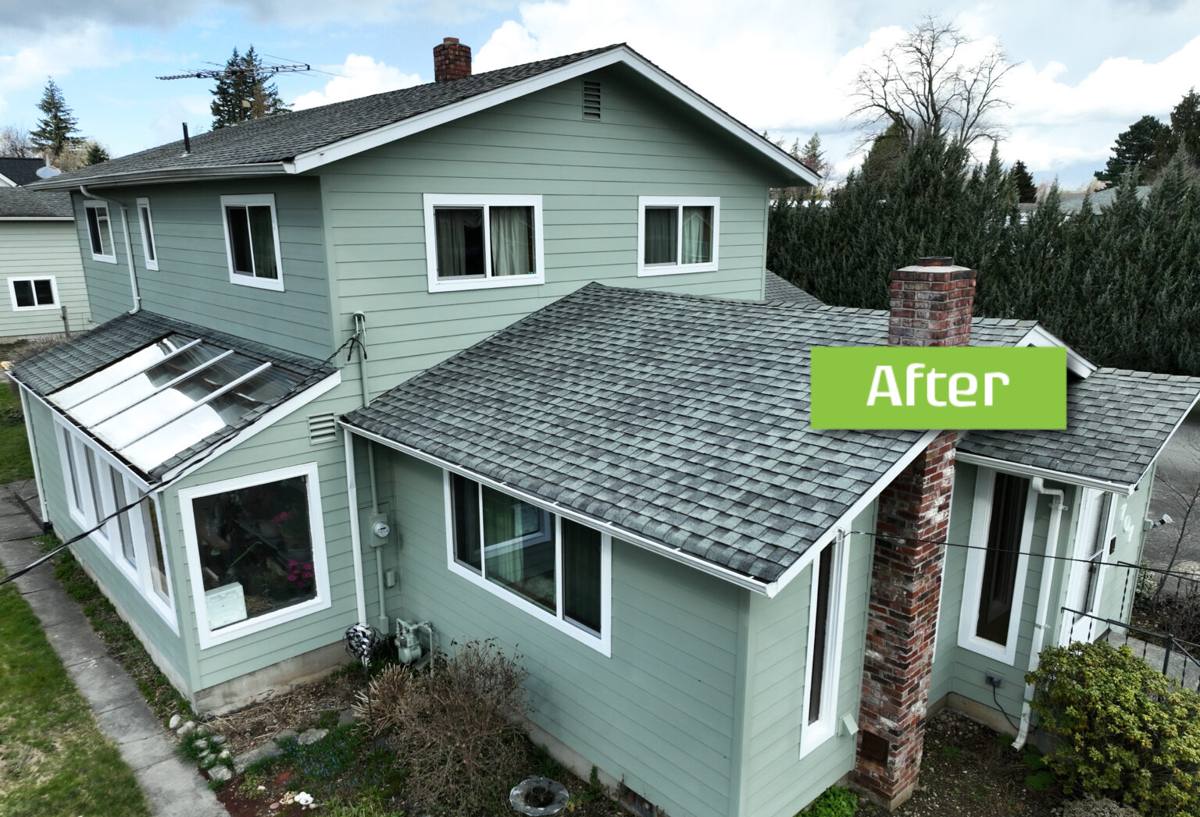
What Nokomis Homes Are Actually Up Against
Sarasota County sits in an active hurricane corridor, and Nokomis's proximity to the coastline means homes here take the fuller brunt of what comes off the Gulf. A handful of specific stressors matter more here than they would forty miles inland:
- Hurricane-force wind loads. Siding has to stay fastened and intact through sustained high wind, not just survive a light storm.
- Wind-driven rain. Rain doesn't fall straight down in a coastal storm — it drives sideways into wall assemblies, seams, and trim, testing every flashing detail.
- Salt air corrosion. Airborne salt accelerates the breakdown of fasteners, trim, and paint film on materials not built to resist it.
- Near-constant UV exposure. Florida sun fades and degrades paint and coatings faster than almost anywhere else in the country.
- Humidity and moisture cycling. Siding that traps moisture behind it, or swells and shrinks with humidity, opens the door to rot and mold over time.
None of these are hypothetical. They're the reason siding choice and installation quality matter more in a place like Nokomis than they would somewhere with a milder, drier climate.
Why We Install Only James Hardie Fiber Cement
We don't install vinyl, LP SmartSide, Cemplank, Allura, or primed wood siding. That's not a marketing position — it's a standard we hold because of what we've seen these products do (and not do) in coastal Florida conditions over time.
Vinyl softens, warps, and can crack under sustained heat and impact, and it has real limits in high-wind installations. Engineered wood products like LP SmartSide use wood strand cores that are more moisture-sensitive than fiber cement, which matters in a climate where humidity rarely lets up. Other fiber cement brands compete on price but don't offer the same factory-finish warranty structure or the same depth of climate-specific engineering that Hardie has built into its product lines. Primed wood siding requires the most ongoing maintenance of all and is the least forgiving of the group when moisture gets behind it.
James Hardie fiber cement is non-combustible, dimensionally stable, and manufactured with a factory-applied ColorPlus finish that's baked on rather than site-painted — which matters directly for UV resistance in a place that gets as much sun as Nokomis does. Hardie also builds region-specific product formulations (their HZ5 line is engineered for humid climates like Florida's), which is a level of climate-matching most competing products don't offer.
What This Means Specifically for Nokomis
For a Nokomis home, that translates to siding that holds its fastening integrity in high wind, resists moisture intrusion from wind-driven rain, doesn't corrode or degrade from salt exposure the way some trim and fastener systems do, and keeps its color longer under intense UV rather than chalking and fading within a few seasons.
What a Correct Installation Involves
Fiber cement siding is only as good as its installation. A rushed or generic install — especially in a wind and moisture zone like this one — is where most long-term siding failures actually start, regardless of the product used. Here's what we treat as non-negotiable on every job:
- Substrate inspection and repair. Before any new siding goes up, we check the sheathing underneath for existing moisture damage or rot and address it — covering a compromised substrate just locks the problem in.
- Weather-resistive barrier. A properly lapped and sealed water-resistive barrier goes on first, giving the wall assembly a secondary line of defense against wind-driven rain that gets past the siding surface.
- Flashing at every penetration. Windows, doors, vents, and any other wall penetration get flashed correctly — this is the single most common place where coastal homes develop hidden water intrusion.
- Correct fastening pattern and fastener material. Hardie specifies fastener type, spacing, and embedment depth for wind zones; in a salt-air environment, using the right corrosion-resistant fasteners matters as much as using enough of them.
- Proper clearances. Siding needs the specified gap from grade, roofing, and decking surfaces to avoid wicking moisture — a detail that gets skipped more often than it should.
- Caulking and joint treatment per Hardie spec. Butt joints, trim intersections, and penetrations need the right sealant approach, not a generic bead of caulk everywhere.
Every one of these steps is a manufacturer requirement for warranty coverage, but they're also just what separates siding that performs for decades from siding that needs attention again in five to seven years.
Our Process for a Nokomis Project
1. On-Site Assessment
We start with a walk of the exterior, checking existing siding condition, trim, flashing points, and any visible signs of moisture or storm damage. This is also when we talk through which Hardie product line and profile fits the home.
2. Product and Color Selection
We go over Hardie's plank, shingle, and panel options along with the ColorPlus palette, and talk through what holds up best against sun exposure and what fits the look of the home and surrounding area.
3. Written Scope and Estimate
You get a clear, itemized scope — what's being removed, what substrate work (if any) is included, and what the installation covers — before any work starts. No vague allowances.
4. Tear-Off and Substrate Check
Old siding comes off, and we inspect what's underneath before covering anything back up. If there's rot or water damage, we flag it and address it as part of the job rather than sealing it in.
5. Installation to Manufacturer Spec
Barrier, flashing, fastening, and clearances all follow Hardie's published installation requirements — not a shortcut version of them.
6. Final Walkthrough
We walk the finished job with you, cover care and maintenance basics, and make sure everything matches what was scoped.
Why It Matters That We Already Work in This Area
A crew that installs siding across a range of Sarasota County conditions understands things a generic contractor doesn't — how far the salt air's reach actually extends inland, how wind exposure differs on a canal-front lot versus one set back from the water, and what flashing and fastening details actually hold up here versus what merely passes inspection. That familiarity shows up in fewer callbacks and fewer surprises mid-project, not in anything flashy.
It also means we're not guessing at code requirements or wind-zone fastening specs — we're already working inside them regularly on homes with the same exposure profile as yours.
Cost Factors for a Nokomis Siding Project
Every home is different, and we don't quote sight-unseen, but these are the main variables that move the price on a real project:
| Factor | Why It Affects Cost |
|---|---|
| Home size and wall complexity | More square footage and more corners, dormers, and trim details mean more material and labor |
| Substrate condition | Existing rot or water damage found during tear-off adds repair work before new siding goes on |
| Product line and profile | Lap plank, shingle-style, and panel systems carry different material costs |
| Trim and accessory scope | Full trim, fascia, and soffit replacement adds to the scope beyond field siding alone |
| Site access | Tight lots, fencing, landscaping, or multi-story sections can affect labor time |
| Removal and disposal | Tear-off and haul-away of old siding is part of most full replacement projects |
We'll walk your specific project against this list during the on-site assessment so the estimate reflects your home, not a generic average.
Maintenance: What Ownership Actually Looks Like After Install
One reason we stand behind Hardie is that ongoing maintenance is genuinely light compared to the alternatives — but "light" doesn't mean "none." A few habits keep a Hardie installation performing for the long haul in this climate:
- Rinse the siding periodically to clear salt residue and airborne buildup, especially on sides facing prevailing wind off the Gulf.
- Walk the exterior after major storms and check caulking at trim joints and penetrations for cracking or separation.
- Keep irrigation heads and sprinklers from spraying directly on the siding surface long-term.
- Trim vegetation back from wall surfaces so moisture and debris don't sit against the siding.
- Address any paint chip or ding promptly rather than letting exposed edges sit through a rainy season.
None of this is heavy lifting, but it's the difference between siding that reaches the upper end of its service life and siding that needs early attention because small issues went unchecked.
Signs Your Current Siding Needs a Closer Look
If you're not sure whether replacement makes sense yet, a few signs are worth acting on rather than waiting out:
- Visible warping, buckling, or soft spots when pressed
- Paint that's chalking, peeling, or fading unevenly across the wall
- Gaps opening up at seams, corners, or trim intersections
- Musty odors or discoloration on interior walls that back up to exterior siding
- Visible storm damage after a significant wind event
Any of these are worth a look before the next storm season, not after.
Get a Free, No-Pressure Estimate
If your Nokomis home's siding is aging out, showing storm wear, or you're planning ahead of the next hurricane season, we're happy to come take a look and walk you through what a correct James Hardie installation would involve for your specific home. Use the form below to request a free estimate — no pressure, just a straight assessment.