 Sarasota Siding
 Siesta Key Sits at the Edge of Everything the Gulf Can Throw at a House
Siesta Key is a barrier island, and that single fact changes how siding should be inspected, repaired, and maintained compared to a home a few miles inland in Sarasota County. Homes here sit closer to open Gulf water, get more direct salt spray, take wind loads that build up over open water before they ever reach a wall, and see UV exposure that doesn't let up for most of the year. A repair approach that works fine on a shaded inland lot can fall short here, because the underlying causes of siding failure are simply more aggressive this close to the water.
That's the lens we bring to every Siesta Key siding repair call: figure out not just what's visibly wrong, but why it happened in this specific environment, so the repair actually holds instead of failing again in a year or two.
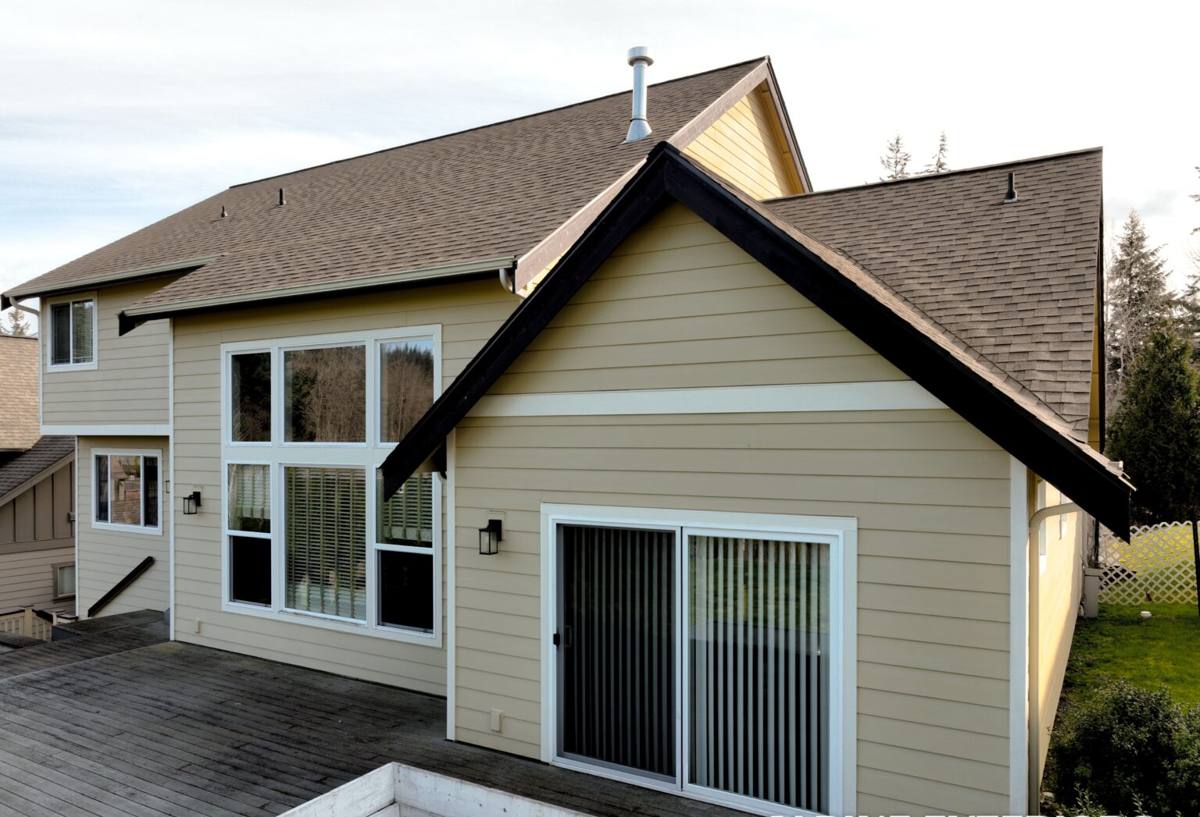
What Actually Damages Siding on a Barrier Island
Salt-Laden Air and Fastener Corrosion
Airborne salt doesn't just sit on the surface — it works into seams, fastener heads, and any place where two materials meet. Over time it accelerates corrosion in nails, screws, and trim fasteners, which loosens boards, opens gaps, and lets water follow behind the siding. A repair that reuses corroded fasteners or ignores the trim details around a patch is a repair that's already halfway to failing again.
Wind-Driven Rain and Hidden Moisture
Sarasota's storms don't just drop rain straight down — hurricane-force and tropical-storm winds drive it sideways, forcing water up under laps, around penetrations, and into any gap in flashing or caulking. The damage that matters most is often the moisture that gets behind the siding and sits against the sheathing, not the crack or gap you can see from the driveway.
Year-Round UV and Surface Breakdown
Florida sun is intense in every season, not just summer. Constant UV exposure breaks down paint films, dries out caulk joints, and — on lower-quality or improperly finished siding — causes fading, chalking, and surface erosion well before the material itself has reached the end of its useful life. On a barrier island with little shade over long stretches of some homes, that UV load is even higher.
Recognizing the Signs Before They Become a Bigger Repair
Most siding problems we're called out for on Siesta Key started small and got missed because they weren't dramatic. Here's a general guide to what different signs usually mean and how urgently they should be addressed.
| What You See | Likely Cause | Repair Urgency |
|---|---|---|
| Soft or spongy spots when pressed | Moisture has reached the substrate behind the siding | High — schedule promptly |
| Visible gaps at laps or corners | Fastener corrosion or original installation error | Moderate — worsens with the next storm season |
| Bubbling or peeling paint | Trapped moisture or UV breakdown of the coating | Moderate to high depending on extent |
| Chalky, faded surface with no soft spots | Normal UV wear on an aging finish | Low — cosmetic, monitor for spread |
| Cracked or split boards near fastener points | Wind flex or fastener overdriven at installation | Moderate — isolated but can spread with wind events |
| Staining streaks below seams | Water tracking through a failed joint or flashing | High — indicates active water path |
What a Correct Siding Repair Actually Involves
Beyond the Visible Board
Replacing a cracked or stained piece of siding without checking what's behind it is a cosmetic fix, not a repair. On every call we pull back affected sections far enough to check the house wrap or building paper, the sheathing underneath, and the flashing at any nearby window, door, or penetration. If moisture has already reached the sheathing, patching over it just hides the problem until it resurfaces — often as a larger, more expensive repair.
Matching Existing Siding Without a Patchwork Look
A good repair shouldn't be obvious from the street. That means matching board profile, exposure, and — where the siding is factory-finished — color as closely as possible, and tying new fastening and caulk details into the existing wall system correctly rather than just closing the visible gap. When an exact match isn't possible on an older or discontinued siding product, we'll say so upfront rather than promising a seamless result we can't deliver.
Repair or Replace? How We Decide
Not every siding problem calls for full replacement, and not every problem should be patched. We weigh a few honest factors before recommending either direction:
- How much of the wall run is affected versus how much is still sound
- Whether moisture has reached the sheathing, and how far it has spread
- The age and remaining service life of the existing material
- What the underlying siding product is, and how it tends to age in a coastal environment
- Whether a patch would be visually consistent or would stand out and lower curb appeal
If a targeted repair genuinely solves the problem, that's what we recommend — we're not in the business of upselling a full re-side when it isn't warranted. But if the existing material is a poor long-term fit for a barrier-island exposure, we'll tell you that plainly as part of the conversation.
Why We Only Repair and Install James Hardie Fiber Cement
Our company installs exclusively James Hardie fiber cement siding, and that standard shapes how we handle repair work too. Fiber cement is non-combustible, doesn't absorb and swell with moisture the way wood-based products can, and doesn't soften or warp under sustained direct sun the way some other materials do in this climate. Hardie's HZ5 product line is engineered specifically for hot, humid, storm-prone climates like ours, and the factory-applied ColorPlus finish is baked on to resist the fading and chalking that UV causes on field-painted or lower-grade coatings.
When we're called to repair vinyl, LP SmartSide, cedar, or other wood-based siding on a Siesta Key home, we'll still do honest, correct repair work — moisture behind siding doesn't care what brand the siding is. But where a homeowner is facing recurring failures or is already considering a larger repair, we'll explain plainly why those products tend to struggle more in this specific environment, and why fiber cement, and James Hardie specifically, is what we put on homes when the decision is ours to make. That's a professional standard, not a sales pitch — every product has trade-offs, and coastal Florida is a demanding enough environment that those trade-offs show up faster than they would inland.
Our Siesta Key Siding Repair Process
Repair calls on the island follow a consistent process so nothing gets missed and nothing gets oversold:
- On-site inspection of the damaged area and the surrounding wall, not just the spot you called about
- Check behind the affected boards for moisture, sheathing condition, and flashing integrity
- Honest assessment of whether a targeted repair or a larger scope makes sense, explained in plain terms
- Matching material, fasteners, and finish as closely as the existing siding allows
- Correct execution — proper fastening pattern, sealed joints, and flashing details restored
- Site cleanup and a final walk-through before we consider the job done
Our inspection specifically checks for:
- Soft or delaminated sheathing behind the damaged area
- Corroded or loosened fasteners nearby, not just at the failure point
- Flashing condition at the nearest window, door, or roof-wall intersection
- Caulk and joint condition along the same wall run
- Any pattern suggesting an original installation error rather than normal wear
Why Hiring a Crew That Already Works Siesta Key Matters
Working on a barrier island comes with logistics that inland Sarasota County jobs don't have — limited bridge access, tighter parking and staging on many properties, and in some communities, association rules about work hours, material storage, or approved exterior changes. A crew that already works this area knows to plan around those constraints instead of discovering them mid-job.
More importantly, a contractor who repairs siding on Siesta Key regularly has actually seen how different products and installation details hold up against this specific combination of salt air, wind, and sun — not just how they're rated on paper. That experience is what turns a repair into a fix that lasts through the next storm season, rather than a return visit waiting to happen.
If you're dealing with a siding problem on your Siesta Key home, we're happy to take a look and give you a straight answer about what it needs. Reach out for a free, no-pressure estimate — there's a form right below this section.