 Sarasota Siding
 Board & Batten on Siesta Key: A Look That Has to Earn Its Keep
Board and batten siding shows up all over Siesta Key — on cottages near the beach, on newer builds going for a coastal or modern-farmhouse look, and as an accent on gables and entryways next to lap siding. The vertical lines and crisp shadow reveals are part of why homeowners want it. But on a barrier island, that look has to survive conditions that inland Sarasota County neighborhoods don't deal with in the same intensity: constant salt-laden air off the Gulf, intense UV exposure nearly year-round, wind-driven rain that hits siding sideways during storms, and the structural wind loads that come with being this close to open water.
Board and batten is a style, not a material — you can build it out of wood, vinyl, engineered wood, or fiber cement, and the material you pick determines whether that style lasts five years or several decades on a property like this. We install it in one material only, and that decision was made specifically with climates like Siesta Key's in mind.
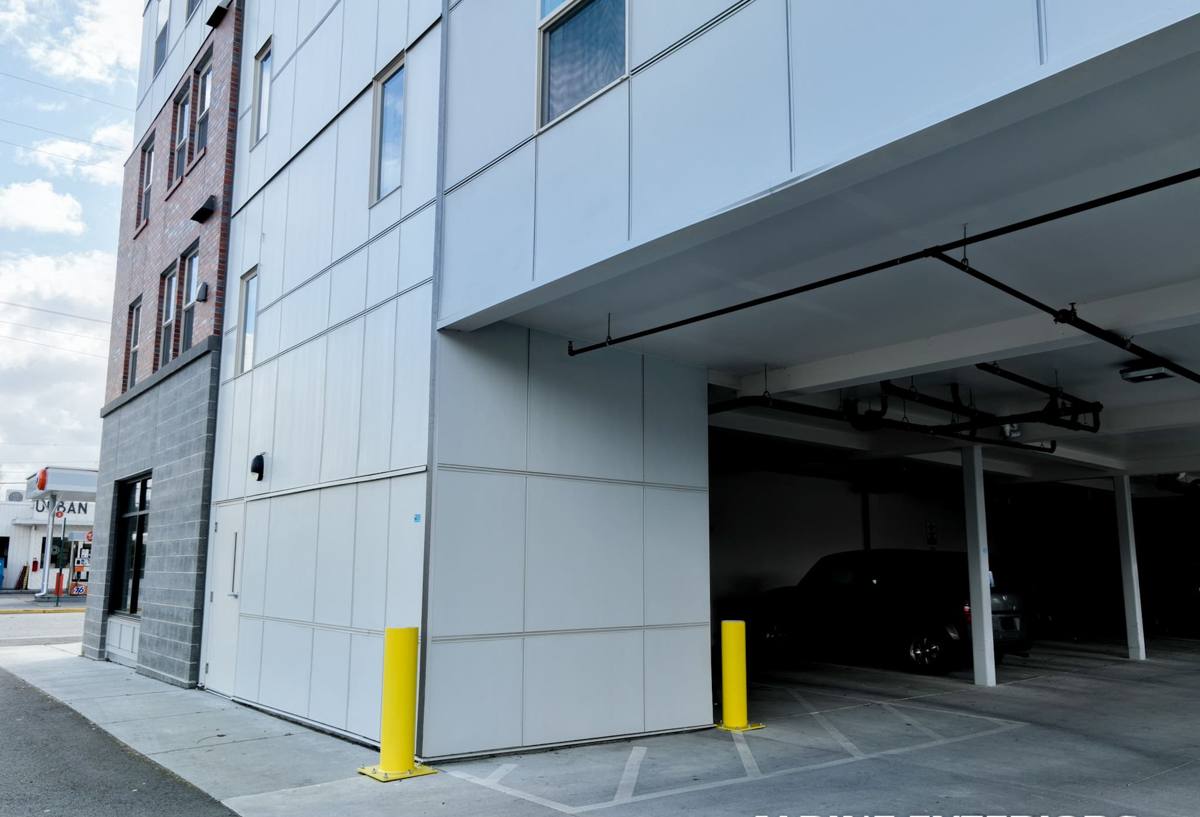
Why the Vertical Batten Detail Is a Harder Test for Siding
Lap siding sheds water by design — every course overlaps the one below it, and water runs down and off. Board and batten relies on the seams between boards (or panels) and the battens covering them to stay sealed and stable. Every batten seam is a place where water can try to get behind the siding if the material moves, swells, or the fasteners fail. On Siesta Key, that seam has to hold up against:
- Salt air that accelerates corrosion on fasteners, trim, and any exposed metal
- Wind-driven rain during summer storms and hurricane season, which pushes water into seams that would stay dry in a calmer climate
- UV exposure that breaks down paint film, caulking, and lower-grade composite materials faster than in shadier, inland areas
- Humidity that keeps moisture in contact with the siding surface longer after every rain event
A board and batten installation that isn't built for this combination doesn't fail all at once — it fails at the seams first, showing up as swelling, cupping, cracked caulk lines, or paint peeling along the battens years before the field of the siding shows any wear.
The Material We Install: James Hardie Fiber Cement, Not the Alternatives
We install James Hardie fiber cement exclusively — we do not install vinyl board and batten, LP SmartSide, primed wood, cedar, or other fiber cement brands. That's a deliberate standard, not a lack of options. Wood board and batten looks great on day one but needs consistent repainting and caulk maintenance to keep salt air and UV from reaching bare material at the seams — miss a maintenance cycle on the Key and the wood pays for it fast. Vinyl board and batten can warp or fade under sustained coastal UV and doesn't carry the wind-load performance that a home this close to the Gulf should have. Engineered wood products manage moisture differently than fiber cement and are more sensitive to how well the field crew handles cut edges and gaps during installation.
James Hardie fiber cement is cement, sand, and cellulose fiber — it doesn't rot, it isn't attractive to pests, and it's non-combustible. For Siesta Key specifically, we use Hardie's HZ5 formulation, engineered for hot, humid, high-moisture climates like ours, and we finish it with the factory-applied ColorPlus finish rather than field-painting. A factory finish is baked on under controlled conditions and holds color and adhesion far better under direct coastal sun than a site-applied paint job, and it comes with its own finish warranty separate from the product warranty.
Board & Batten Product Options We Work With
Depending on the home and the look a homeowner wants, board and batten in the Hardie system can be built a couple of ways — vertical HardiePanel with applied battens over it, or Hardie's Artisan-tier products for a more refined reveal and shadow line on higher-visibility elevations. Either way, the panel, the battens, and the fasteners all come from the same engineered system, which matters more than it sounds like — mixing brands or grades at the seams is exactly where premature failure starts.
What a Correct Board & Batten Installation Actually Involves
The finished look of board and batten hides almost all of the work that determines whether it lasts. Most of what separates a durable installation from one that fails early happens behind the battens, not in front of them.
Key installation details on a coastal home like this:
- Weather-resistive barrier and flashing first. Every panel seam, window, and penetration gets flashed and sealed before the first piece of siding goes up — this is the layer that actually keeps wind-driven rain out, not the siding itself.
- Correct fastener spacing and type. Hardie specifies fastener patterns and corrosion-resistant fastener types for a reason; in salt air, the wrong fastener corrodes and stains the siding, or worse, loses holding power.
- Expansion gaps at every seam. Fiber cement moves slightly with temperature and moisture changes. Panels and battens installed tight against each other with no gap will eventually buckle or crack the caulk joint.
- Batten spacing and fastening pattern that matches the panel below it, not an arbitrary layout — battens are structural to the water management, not just decorative.
- Manufacturer-matched caulk and sealant at every joint, sized and tooled correctly rather than smeared on heavy to hide a gap.
- Clearance at grade and at roof lines so the bottom of the siding field isn't sitting in standing water or splash-back during heavy rain.
Skipping or rushing any one of these doesn't show up at final walkthrough. It shows up two or three years later as a seam problem, which is exactly the failure mode board and batten is most prone to when it's installed wrong.
Comparing Board & Batten Materials for a Coastal Sarasota County Property
| Material | Salt Air / Moisture Resistance | UV & Color Retention | Wind Performance | Ongoing Maintenance |
|---|---|---|---|---|
| James Hardie Fiber Cement (HZ5, ColorPlus) | Excellent — cement-based, does not rot | Factory finish resists fading | Engineered for high-wind installation | Occasional wash; no repainting cycle |
| Primed Wood / Cedar | Vulnerable if seams or paint fail | Paint fades and chalks under sun | Adequate if maintained | Repainting and re-caulking on a regular cycle |
| Vinyl Board & Batten | Won't rot, but seams can loosen | Can fade or become brittle over time | Lower wind-load tolerance than fiber cement | Low, but limited repair options if damaged |
| Engineered Wood (e.g., LP SmartSide) | Treated for moisture, but edge-sensitive | Factory finish available | Good when installed to spec | Edge sealing and inspection important |
Our Process for a Siesta Key Project
Every board and batten job on the Key starts with a walk of the property, not a generic quote. We look at sun exposure by elevation, proximity to the water, existing moisture or wood damage behind the current siding, and how the home's trim, windows, and roofline will meet the new battens. Because Siesta Key sits within Sarasota County's coastal building requirements, we also confirm what wind design pressure and fastening schedule the installation needs to meet before any material goes on the wall — this isn't optional paperwork, it's what keeps the siding attached during the next tropical system.
From there: tear-off and inspection of the sheathing underneath (this is where we sometimes find water damage that's been hidden by the old siding), correct weather barrier and flashing installation, then the Hardie panel and batten system installed to manufacturer and local code specification, finished with matched trim and sealant. We walk the finished job with the homeowner before we consider it done.
Maintenance That Actually Matters on the Key
One advantage of switching to fiber cement board and batten on a property like this is how little upkeep it asks for compared to wood. That said, "low maintenance" doesn't mean "no maintenance" in a salt air environment. A simple annual routine keeps it performing as designed:
- Rinse salt spray and airborne residue off the siding a few times a year, especially on Gulf-facing elevations
- Check caulk joints at seams, windows, and trim for cracking or separation after hurricane season
- Keep landscaping and irrigation from spraying the base of the siding directly
- Have any fastener staining or loose battens looked at early rather than left through another storm season
Why Hiring a Crew That Already Works on Siesta Key Matters
Board and batten installation quality depends on details that don't generalize well from inland projects — flashing decisions, fastening schedules, and material choices that work fine in a drier or calmer part of the state can fall short a few blocks from the Gulf. A crew that already installs on the Key knows what wind exposure and salt air actually do to a seam over time, understands the local permitting and wind-load expectations, and isn't learning those lessons on your house. That experience shows up in the details you can't see once the battens are on — which is exactly where board and batten either holds up for decades or doesn't.
If you're weighing board and batten for a home on Siesta Key, we're happy to walk the property, talk through what the Hardie system would look like on your elevations, and give you a straightforward, no-pressure estimate — just fill out the form below.